
Why printed uniforms change first impressions fast
When a customer walks into a shop, a school parent arrives for a meeting, or a visitor needs help at an event, the uniform is often the first signal they notice. A clean printed shirt or top tells people who is part of the team and who to speak to. That simple cue saves time and reduces confusion, especially in busy places with a lot of foot traffic.
In Bloemfontein, where many businesses deal with walk-ins, deliveries and outdoor work in the same day, clear uniforming helps the team stay presentable from morning to closing. It also supports a more consistent brand image across branches and sites in the Free State.
Visibility helps people find the right person quickly
Printed uniforms are practical, not just presentable. In a school sports day, a fundraiser at a community hall, or a market in Thaba Nchu, people need to spot staff fast. A printed team shirt or uniform makes that easier. It can also reduce repeated questions, which matters when one person is handling payments, directions, stock or learner supervision.
- Staff are easier to identify in crowded spaces
- Parents and customers know who to approach
- Security and access control become simpler
- Event crews can be separated by role or colour
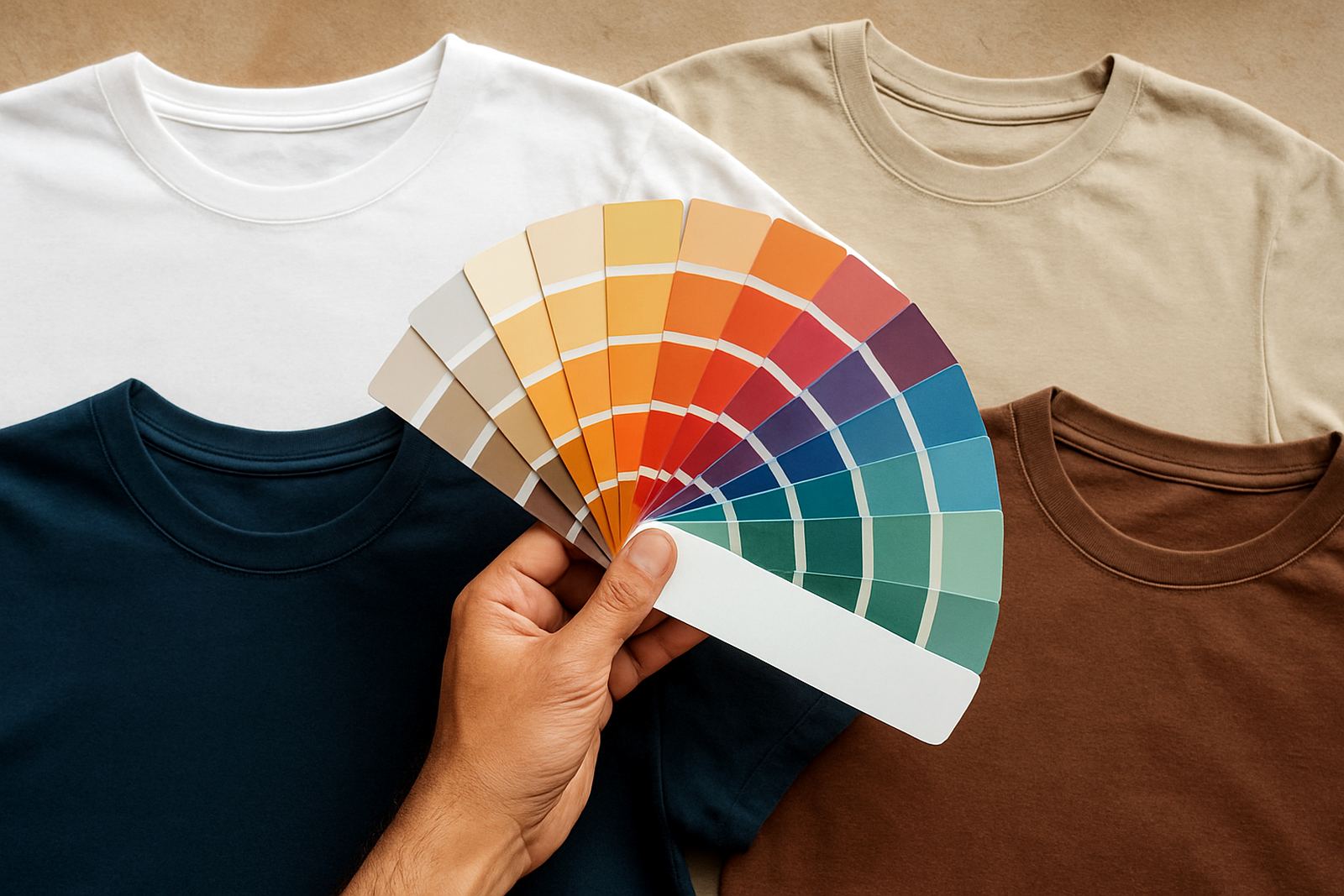
Colour choice matters too. Light colours help with visibility in daytime events, while darker shirts can hide dust better on delivery routes and workshop floors.
A neat uniform supports trust and discipline
People often read uniformed teams as more organised, even before they see the work itself. That is useful for schools, restaurants, retail stores, contractors and service businesses. When everyone looks consistent, the team appears coordinated and ready. It can also improve internal discipline because staff know they are representing the same standard.
Printed uniforms are especially helpful where team members move between public-facing and practical tasks. A uniform keeps the brand visible while still allowing the wearer to work comfortably. With the right fabric and print method, the garments can handle regular washing without fading too quickly, which is important in a busy schedule.
The right print method makes a real difference
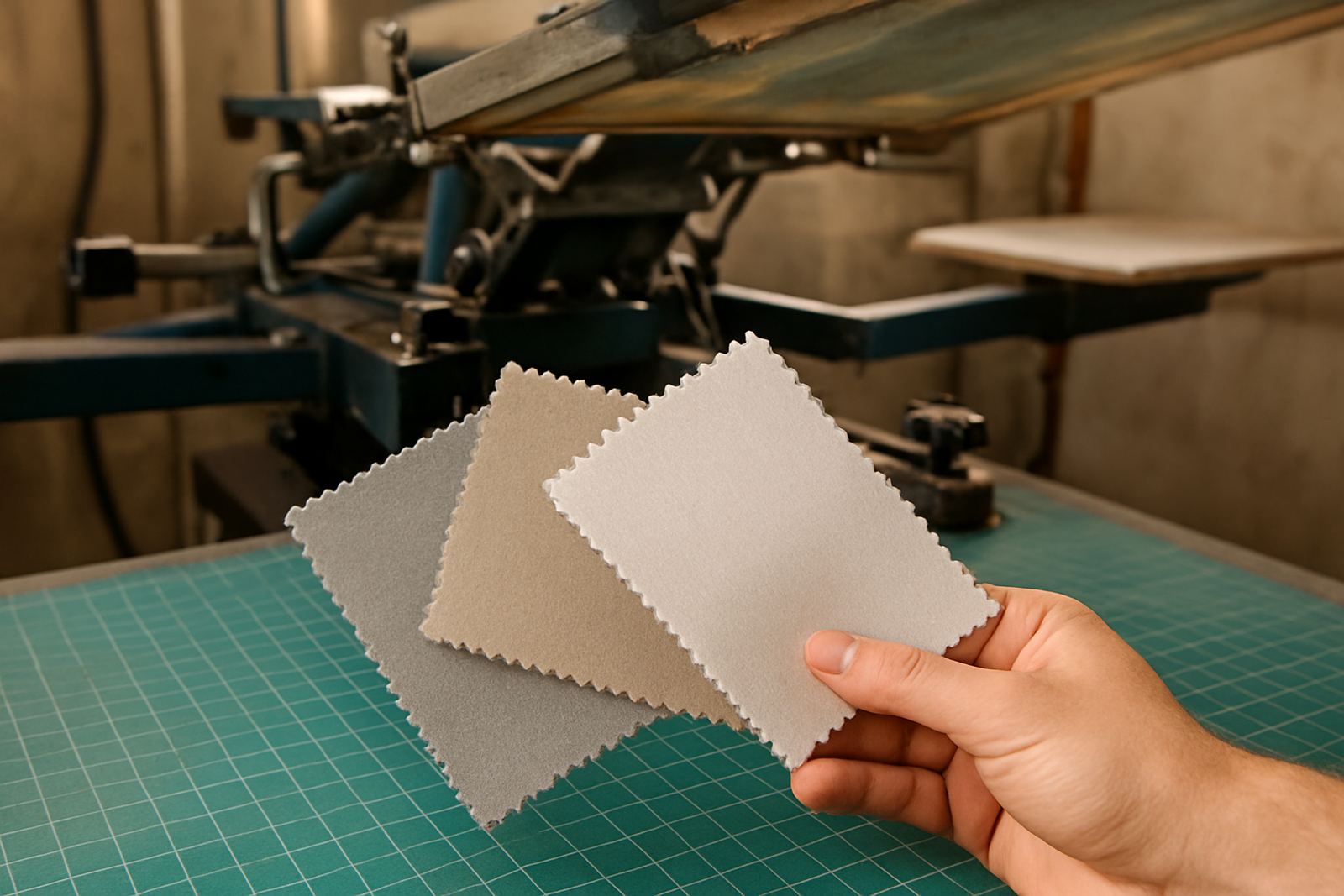
Not every garment needs the same print approach. Cotton t-shirts, polycotton polos and workwear all react differently to heat, washing and repeated use. Choosing the right print method helps the logo stay sharp and readable for longer. For bulk orders, it also keeps the final result consistent across different sizes and garment types.
At Screen-Printers Service in Hamilton, Bloemfontein, print planning usually starts with the garment, the artwork and how the clothing will be used. A sports team heading to tournaments around the Free State may need a different finish to a school staff uniform or a one-day event shirt. That is where artwork setup and colour matching make a noticeable difference.
- Match the print style to the fabric
- Check logo size so it reads from a distance
- Keep text simple enough to stay legible
- Allow for different sizes in the same order
Uniform printing works for more than one type of client
Printed uniforms are useful for businesses, schools and events, but the benefits shift depending on the setting. A company may want a strong logo on polos and golf shirts for staff and front-of-house teams. A school may need printed shirts for coaches, support staff or class groups. An event organiser may need easy-to-read shirts for marshals, volunteers and registration teams.
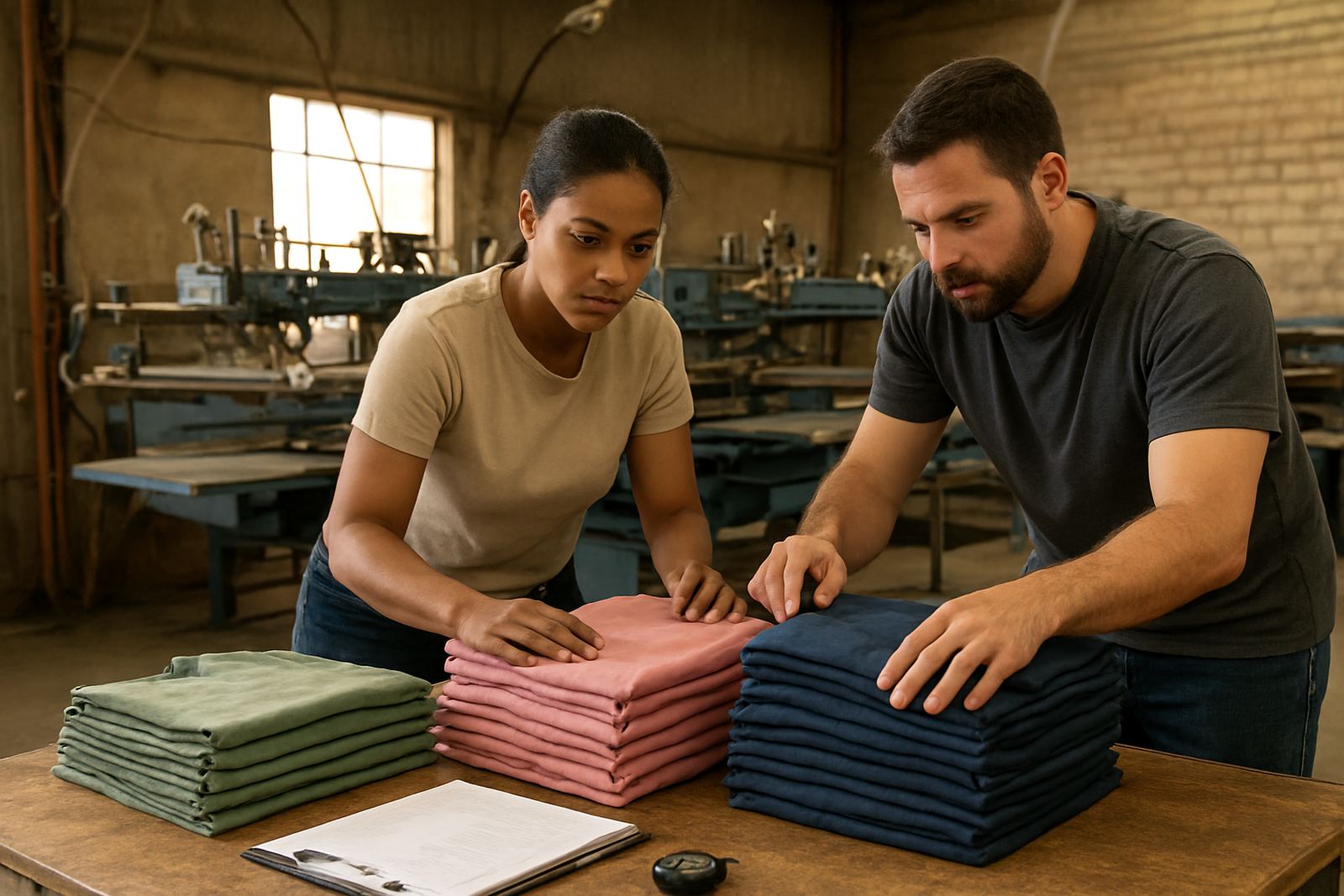
For bulk order printing, size sorting and individual bagging are practical extras because they help with distribution. That matters when uniforms need to be handed out at different sites, or when one order includes several departments, age groups or shifts.
- Businesses: present a tidy, trustworthy front line
- Schools: make staff and teams easier to identify
- Events: keep volunteers and marshals visible
- Sports teams: create a shared look that builds unity
A Bloemfontein example that shows the value clearly
Picture a school in Bloemfontein preparing for a sports weekend with teams travelling between Hamilton, Botshabelo and Thaba Nchu. Teachers, coaches and volunteers need to be identified quickly, even when the grounds are busy and the weather changes. Printed uniforms help the event run with less confusion because each role is easy to spot. They also make photographs look more organised, which is useful for newsletters and social media.
The same applies to a local business with delivery staff working between Welkom, Bethlehem, Kroonstad and Parys. A printed uniform tells customers who is arriving, while also giving the team a more professional appearance at every stop. In a region where road conditions, long distances and load-shedding can already complicate the day, anything that helps people communicate faster is worth having.
What to think about before placing an order
A good printed uniform starts with practical planning. Think about how often the clothing will be washed, whether it will be worn indoors or outside, and how much detail the logo needs. If the team works in dust, heat or damp conditions, the garment choice should suit that use. Coastal humidity is less of a concern in Bloemfontein, but sweat, sun and repeated wear still affect how a print ages over time.
Before ordering, it helps to confirm a few basics so the final run is right the first time:
- Garment type and fabric weight
- Print position on chest, back or sleeve
- Colours needed for the logo and text
- Sizes required for the full team
- Delivery timeline and distribution points
With clear artwork, proper colour matching and careful production, printed uniforms can give a team a cleaner look and make daily work easier. That is why many organisations across South Africa keep coming back to them for both small runs and larger supply orders.