
Start With the Garment, Not Just the Print
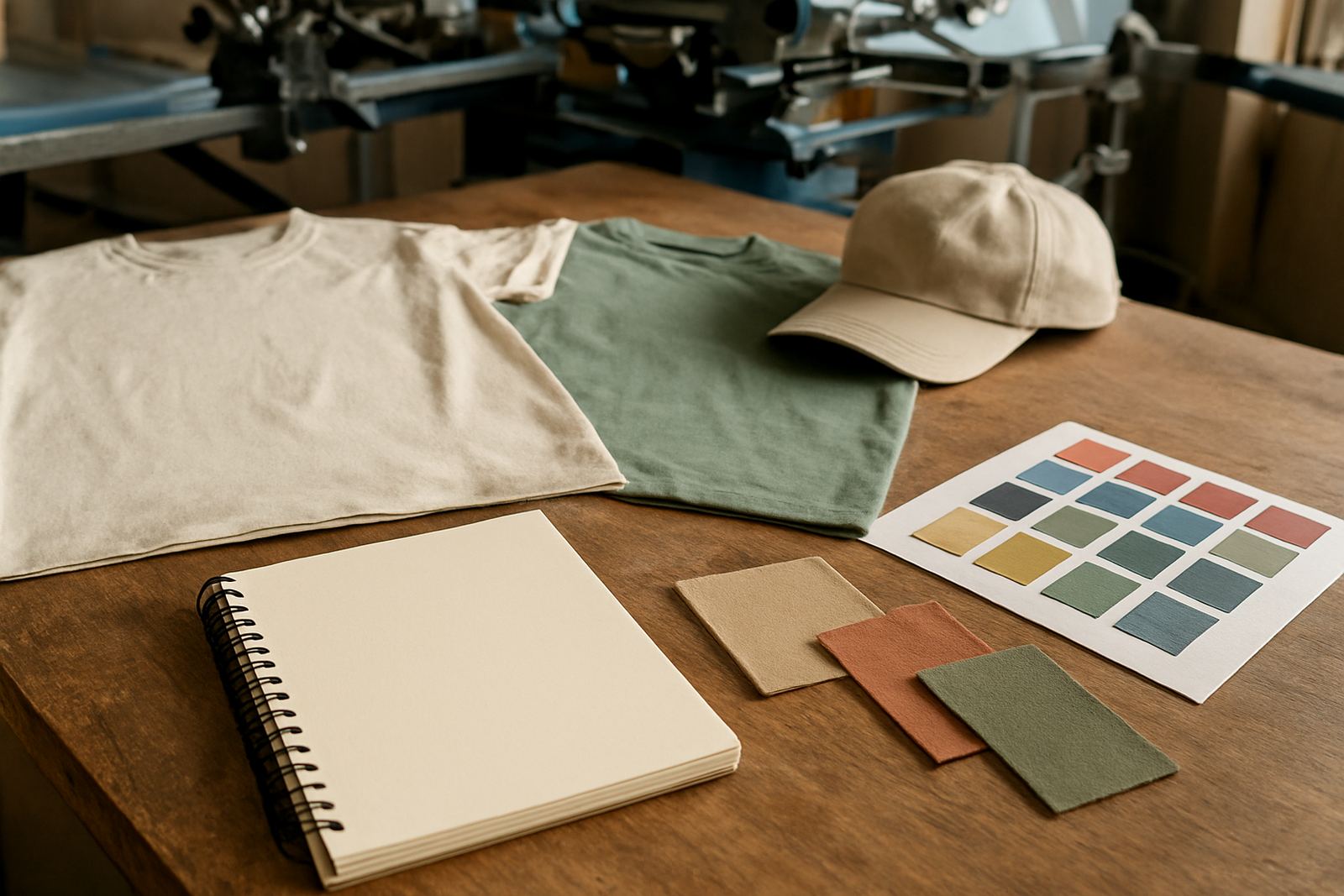
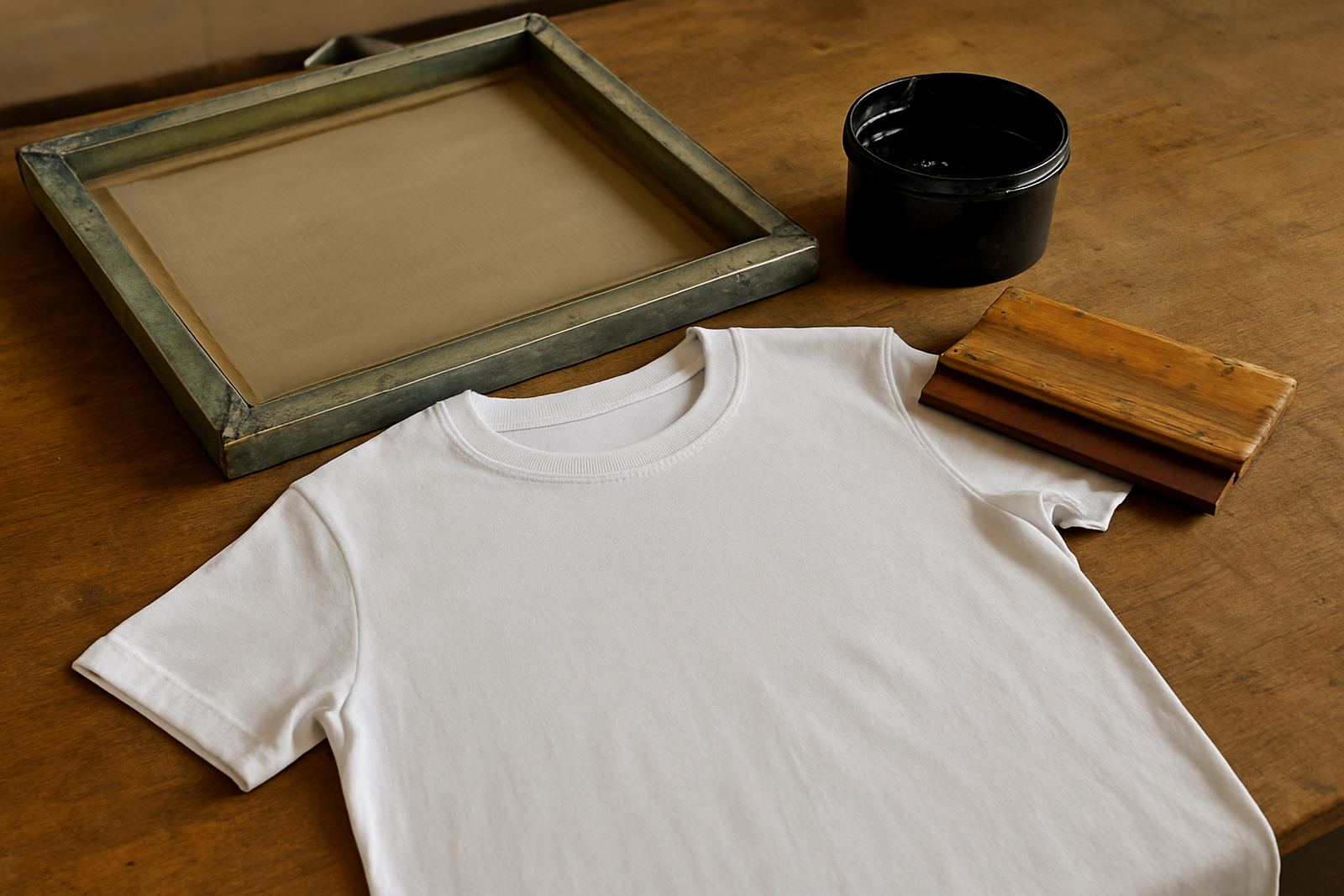
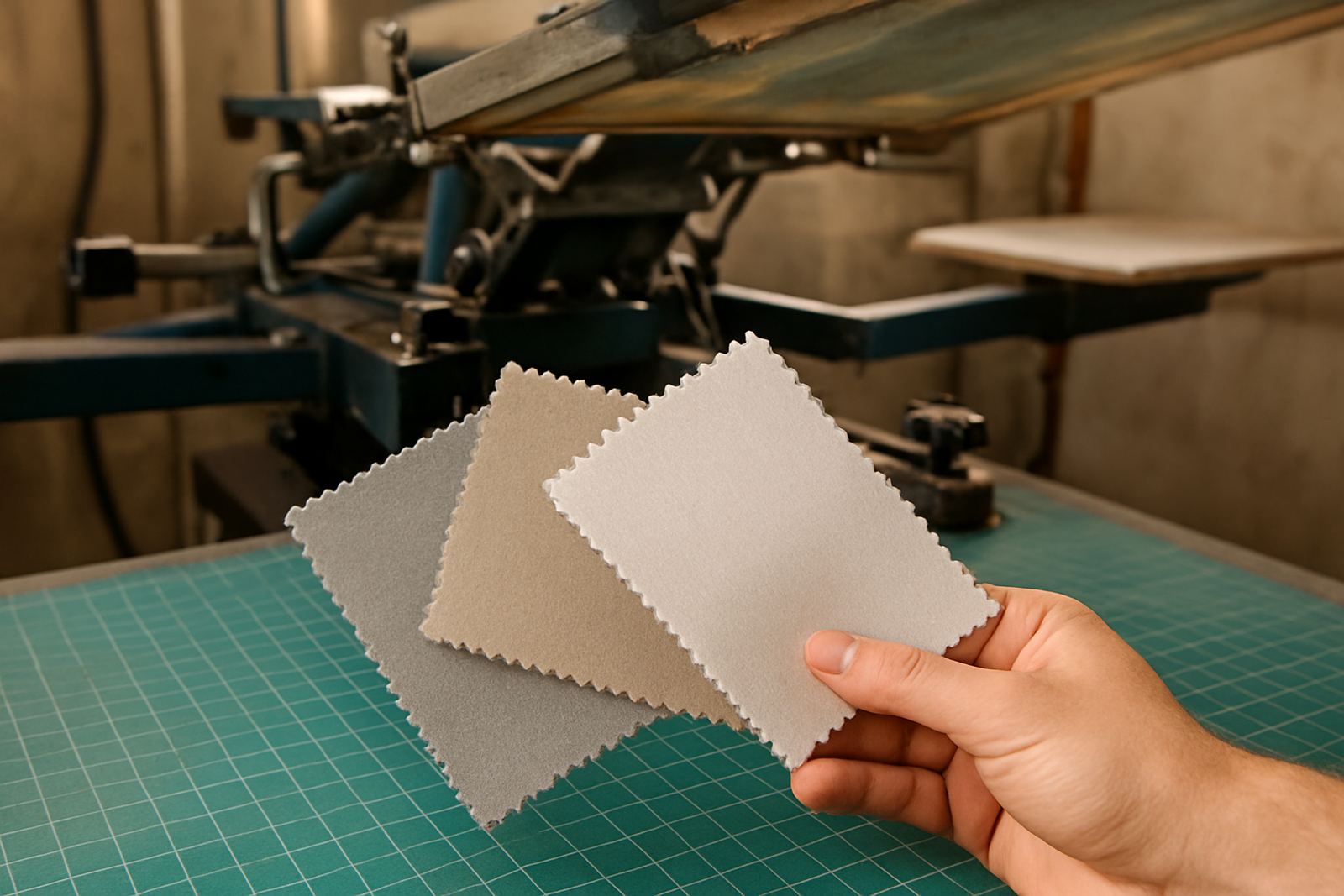
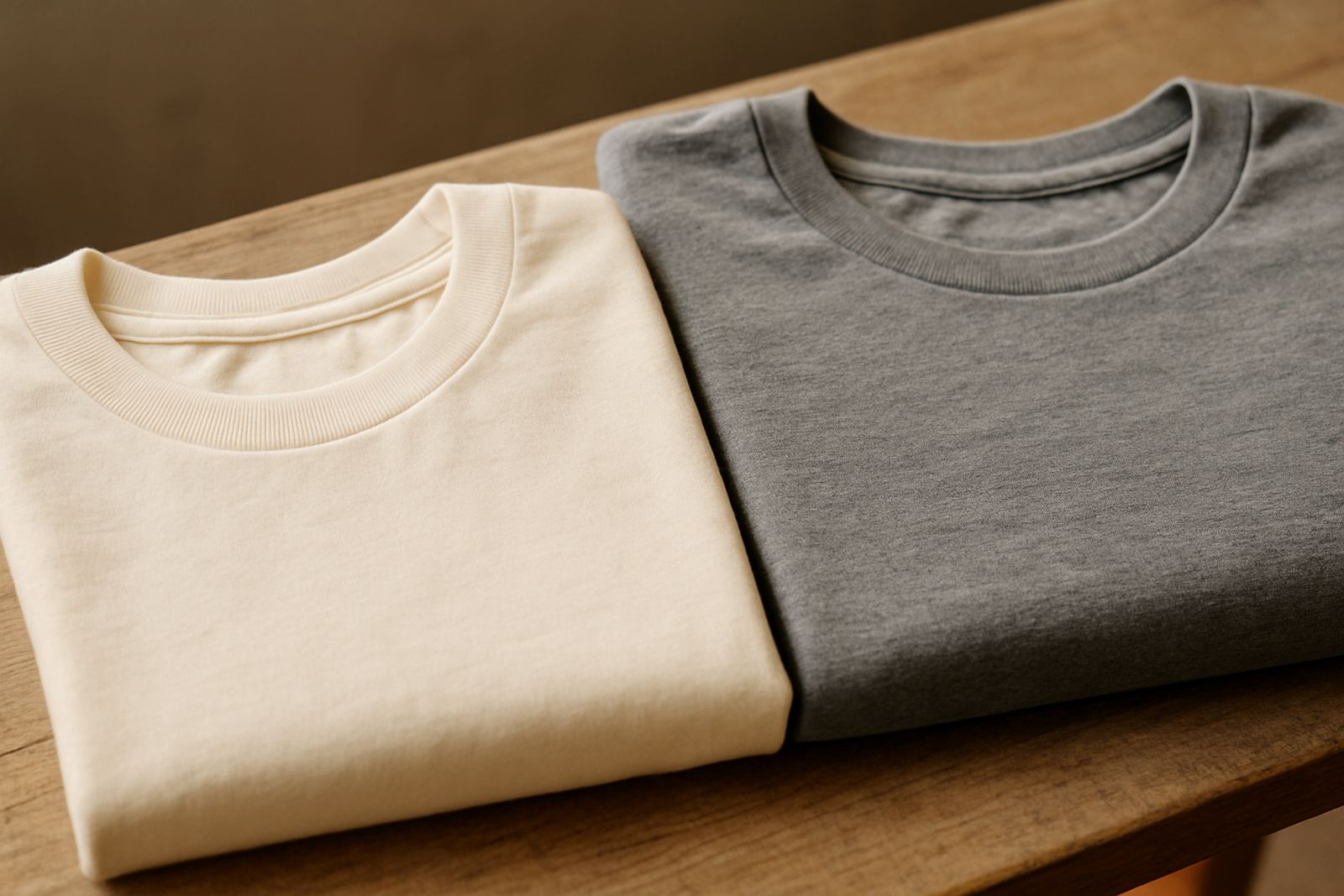
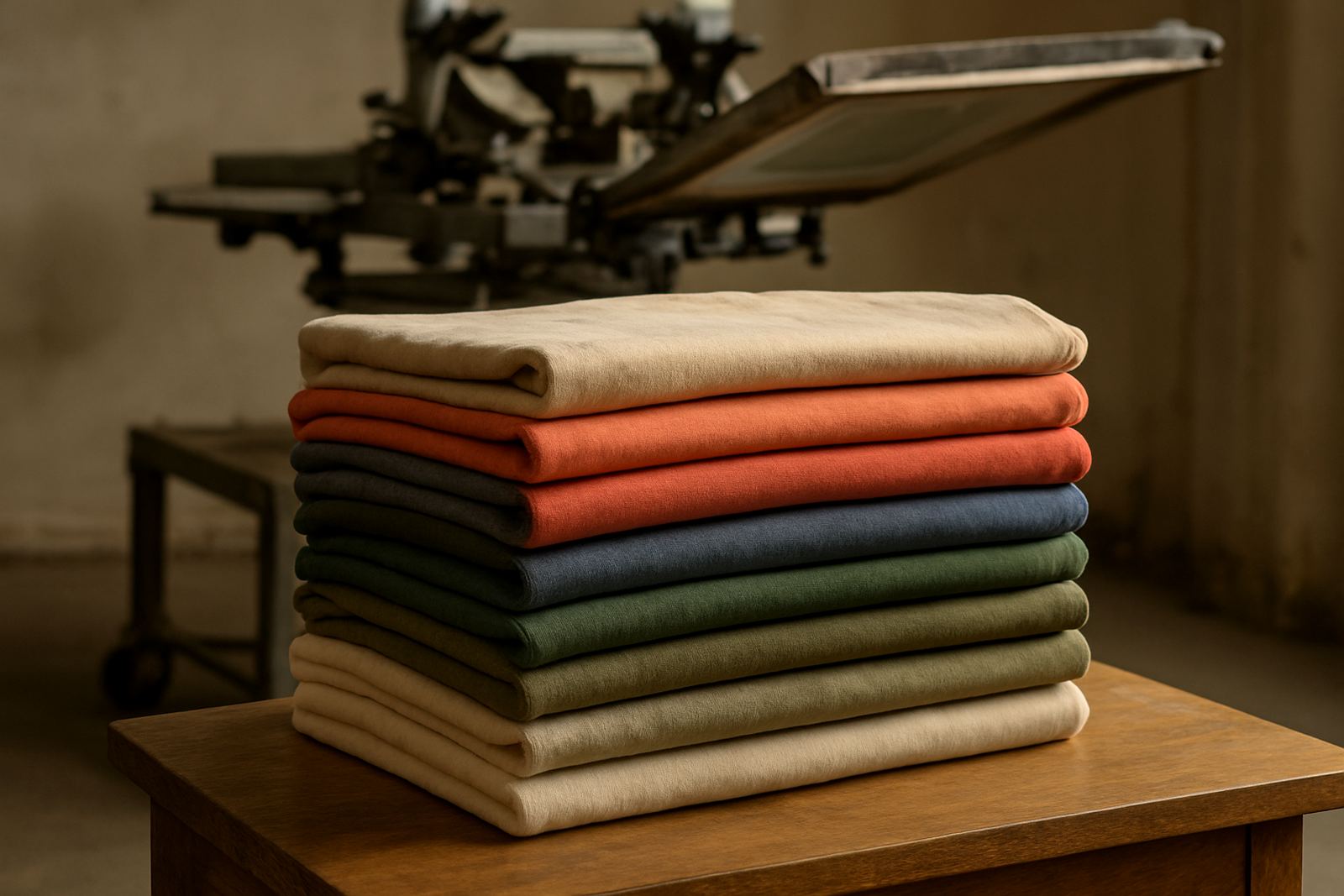
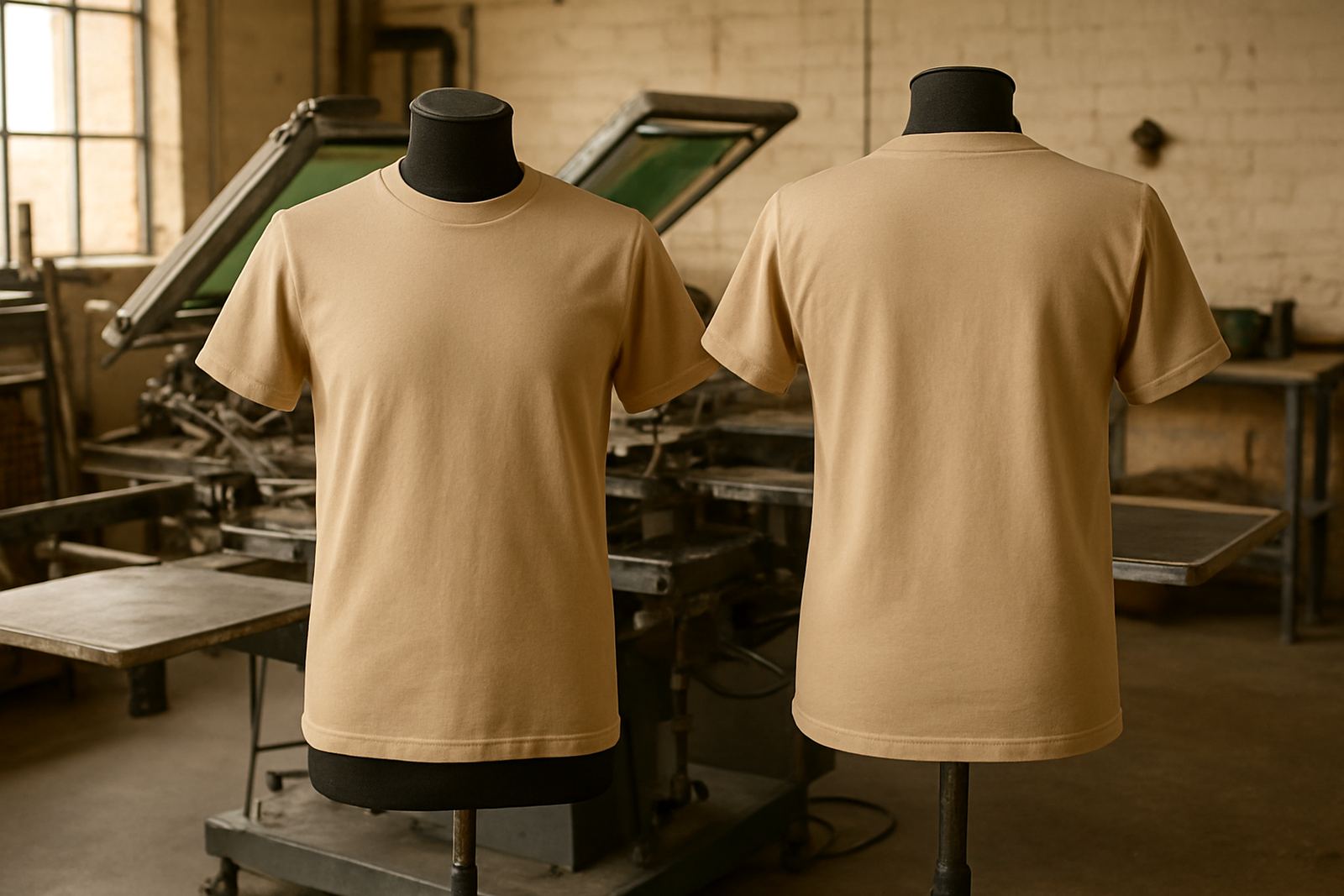
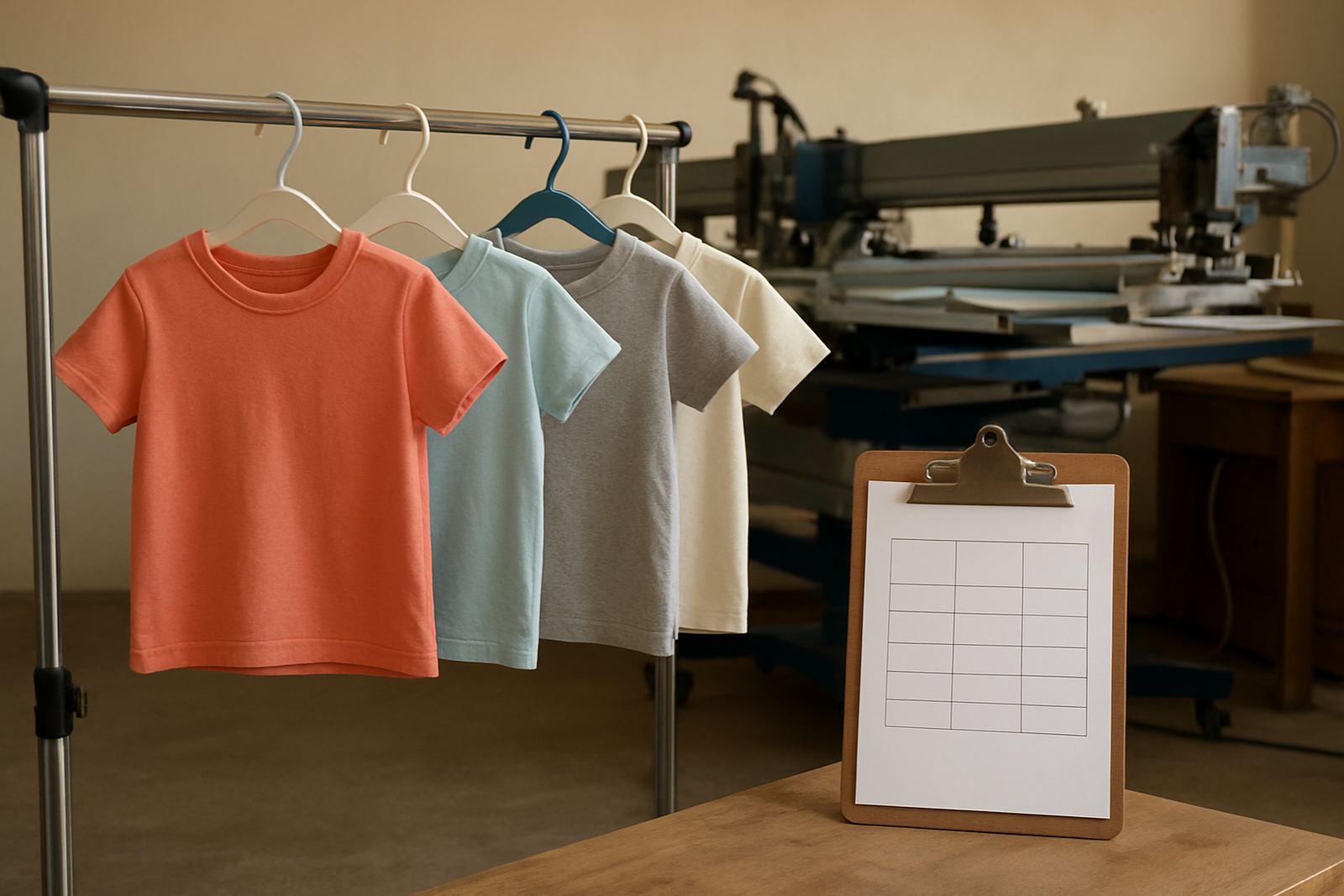
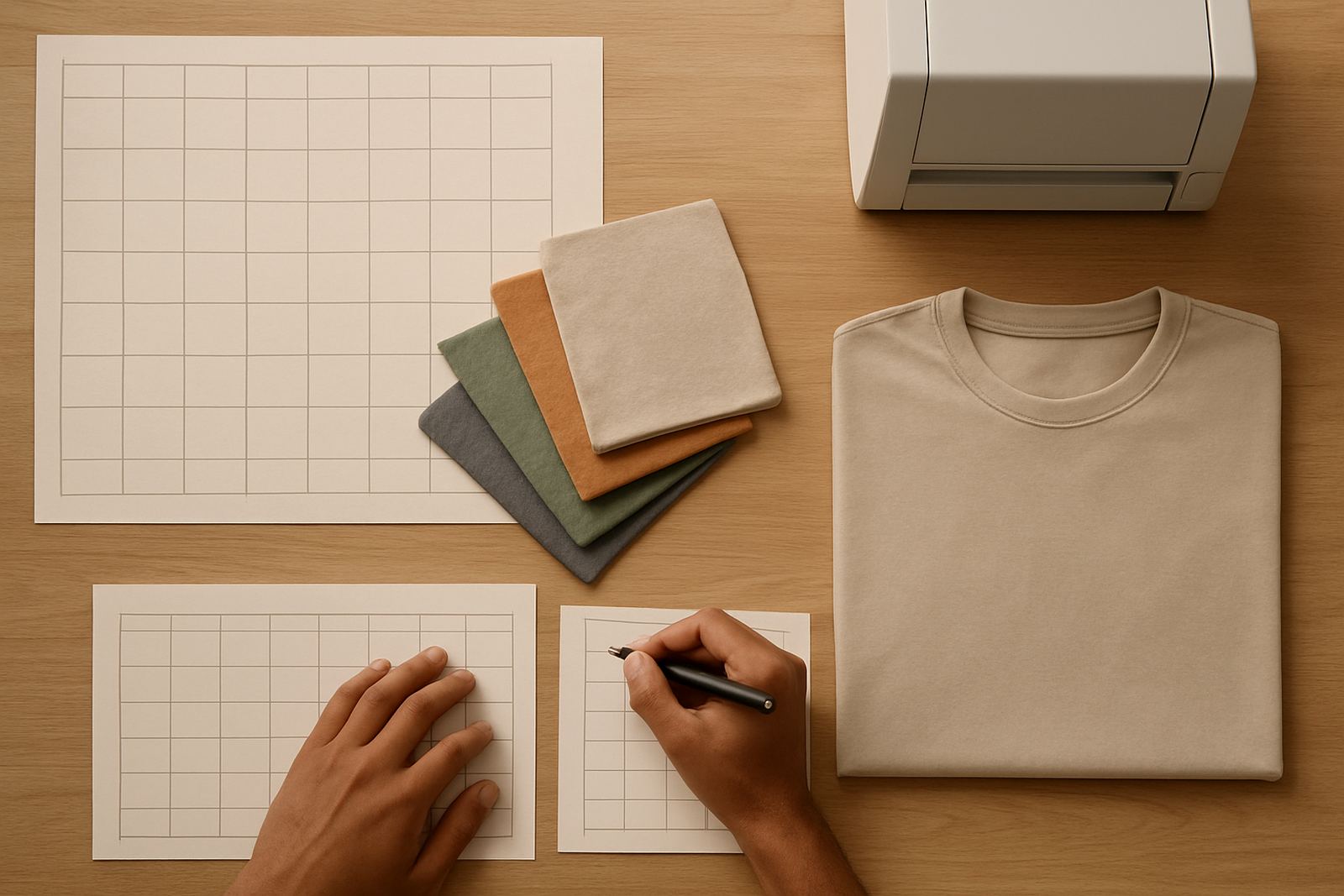
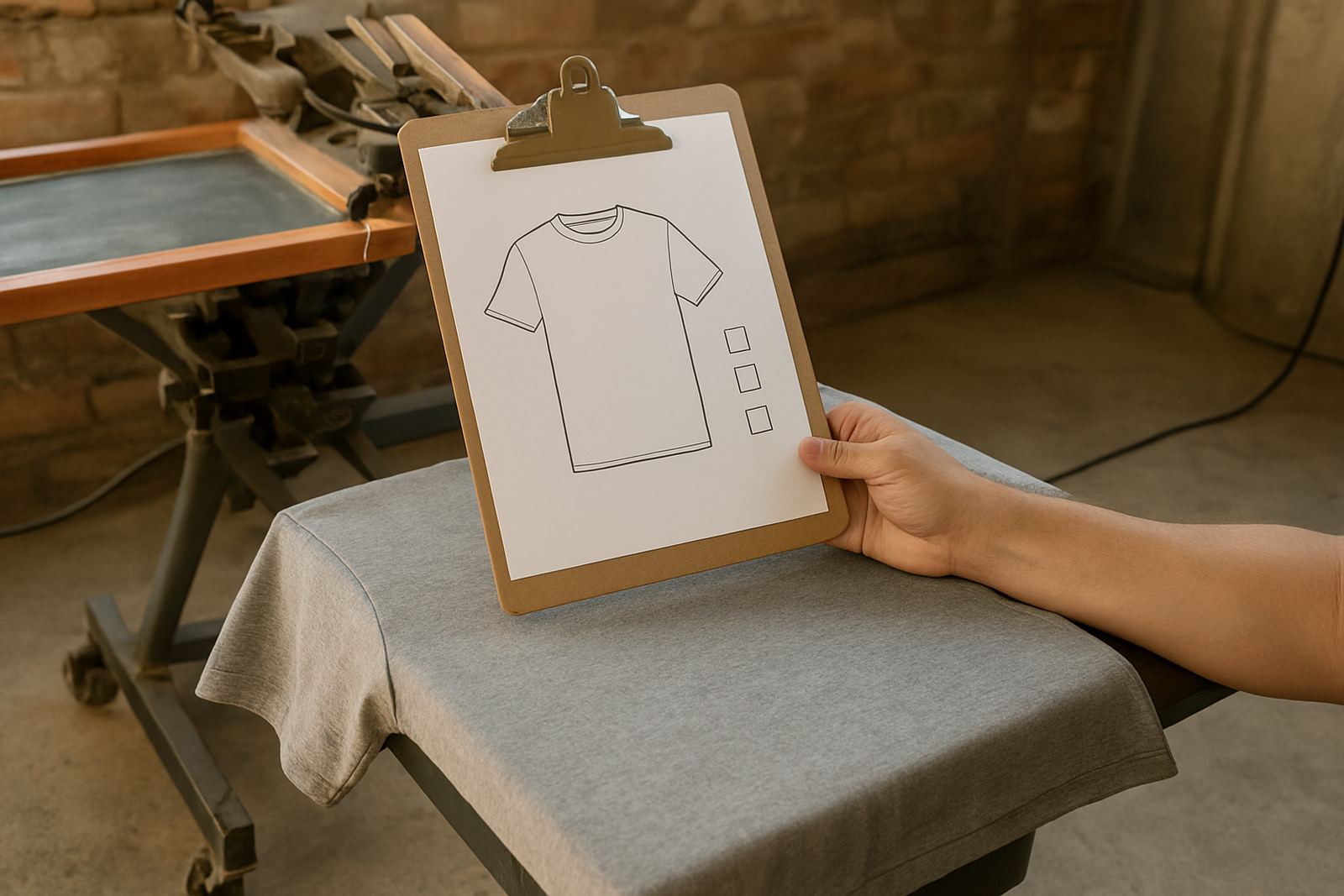
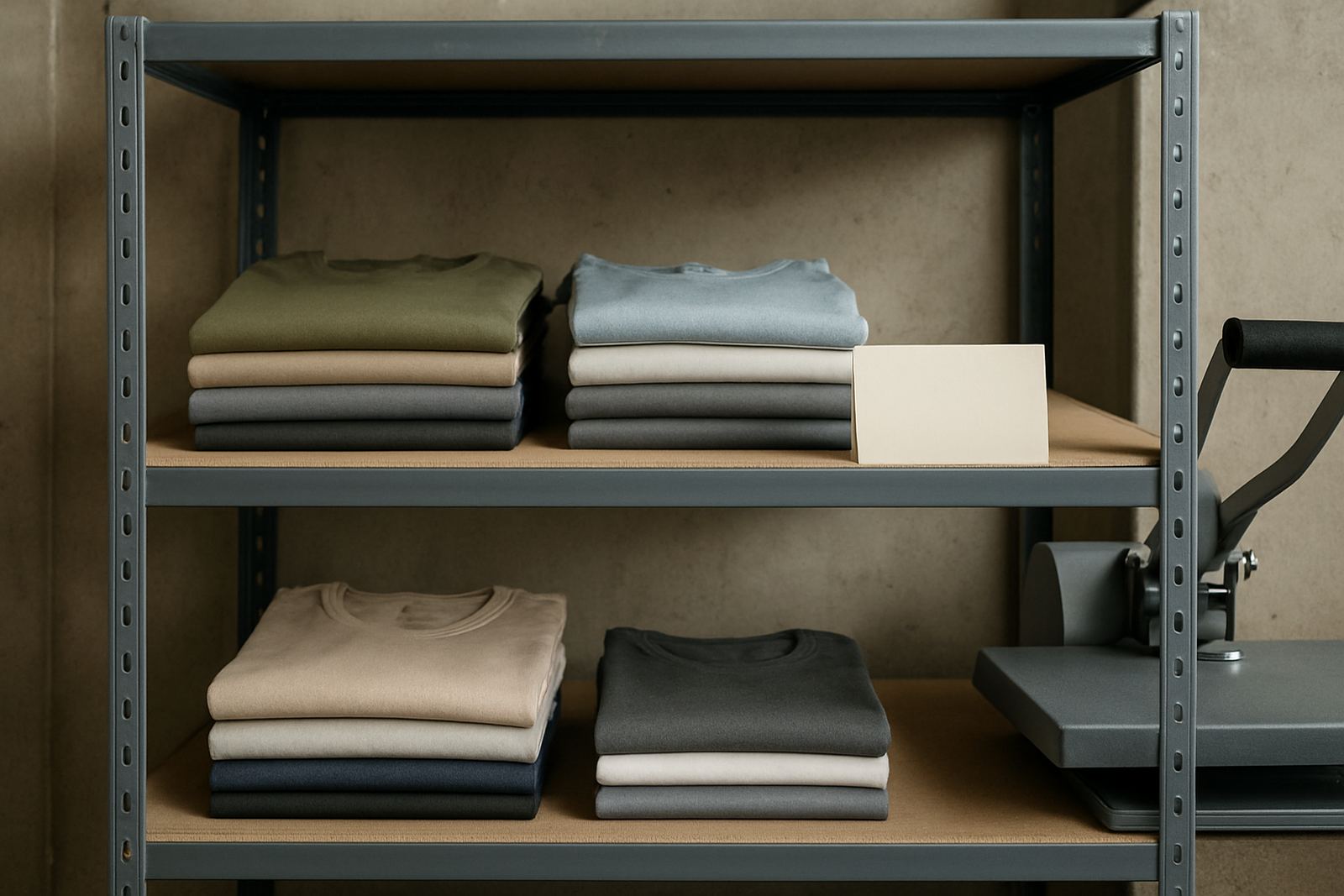
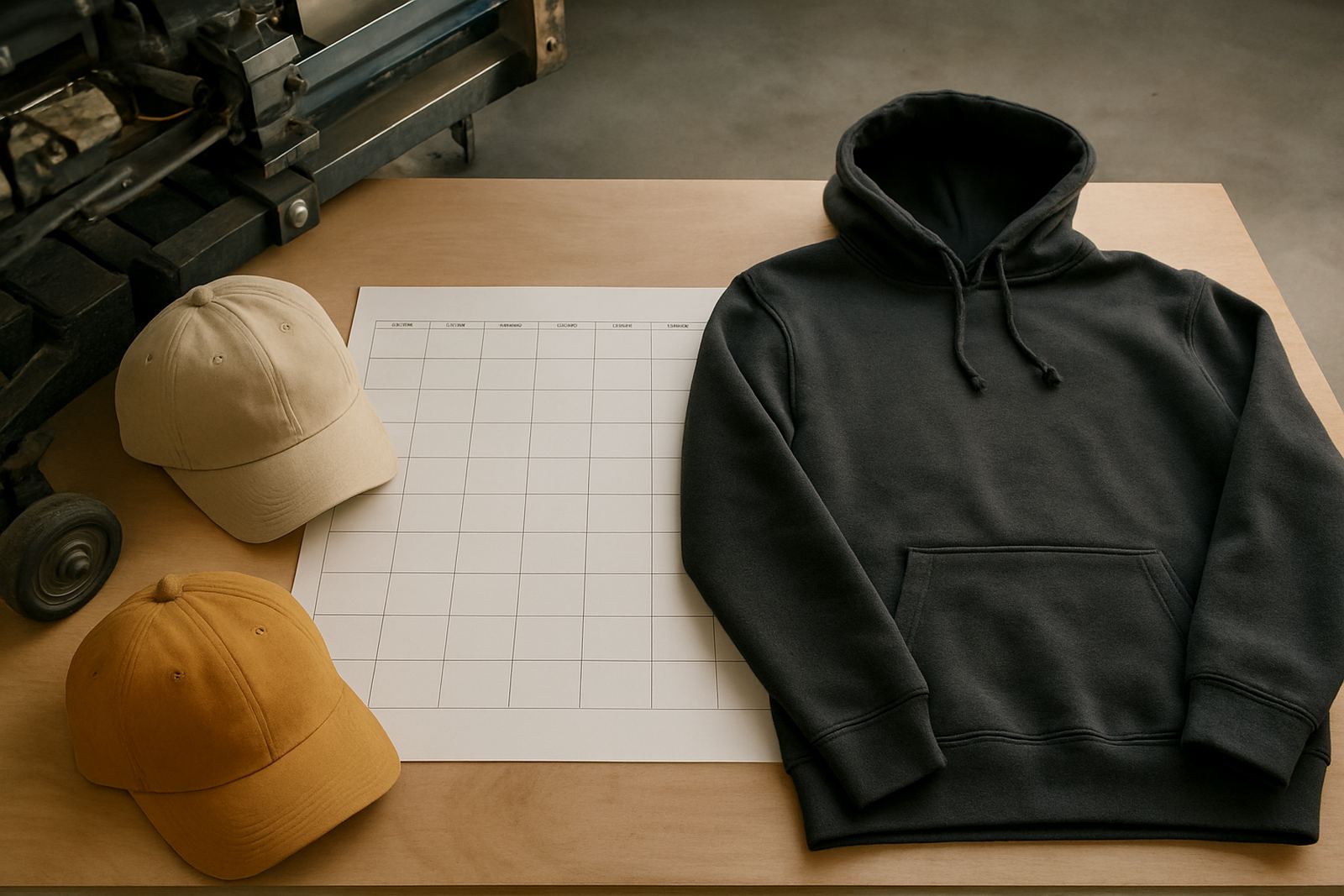
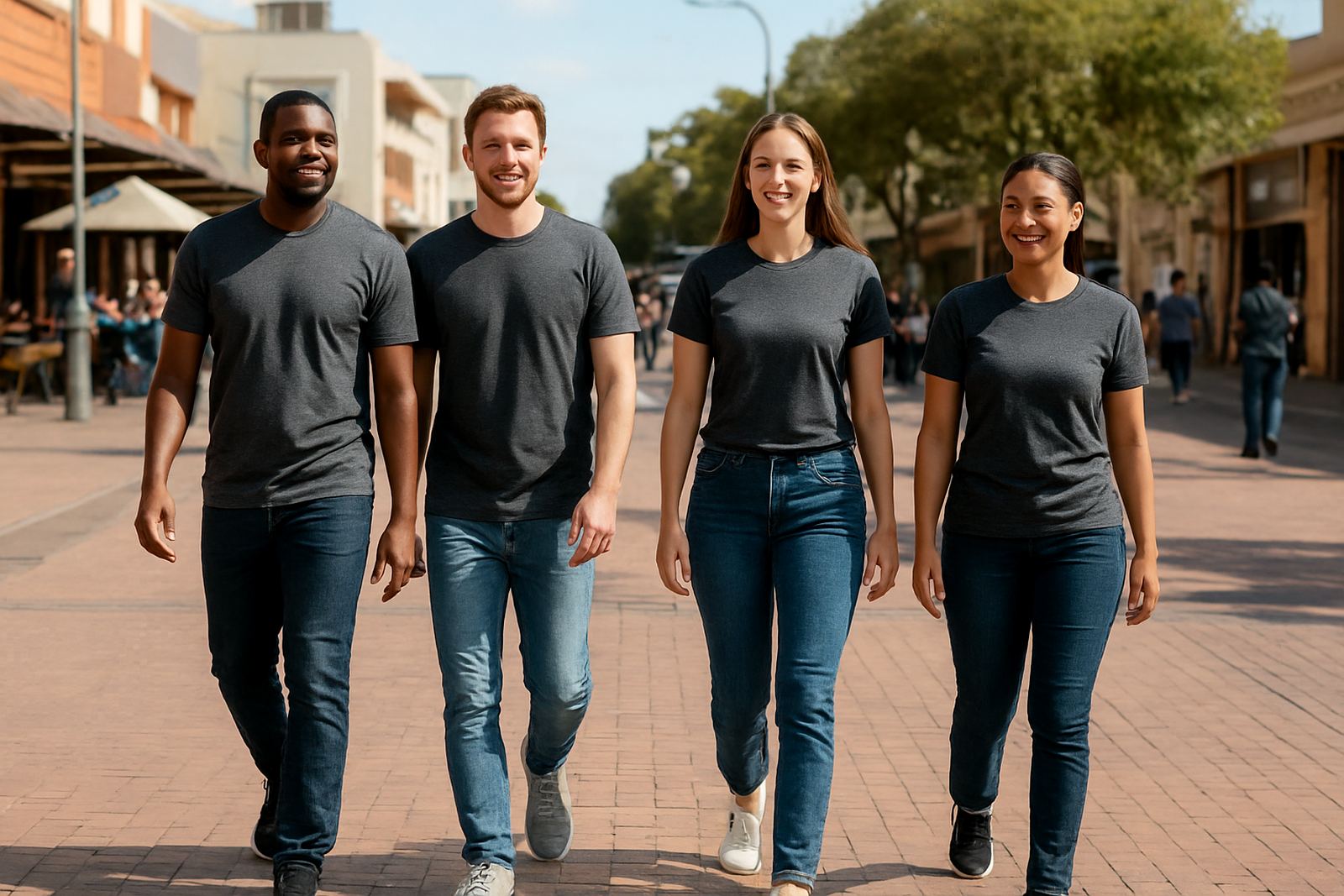
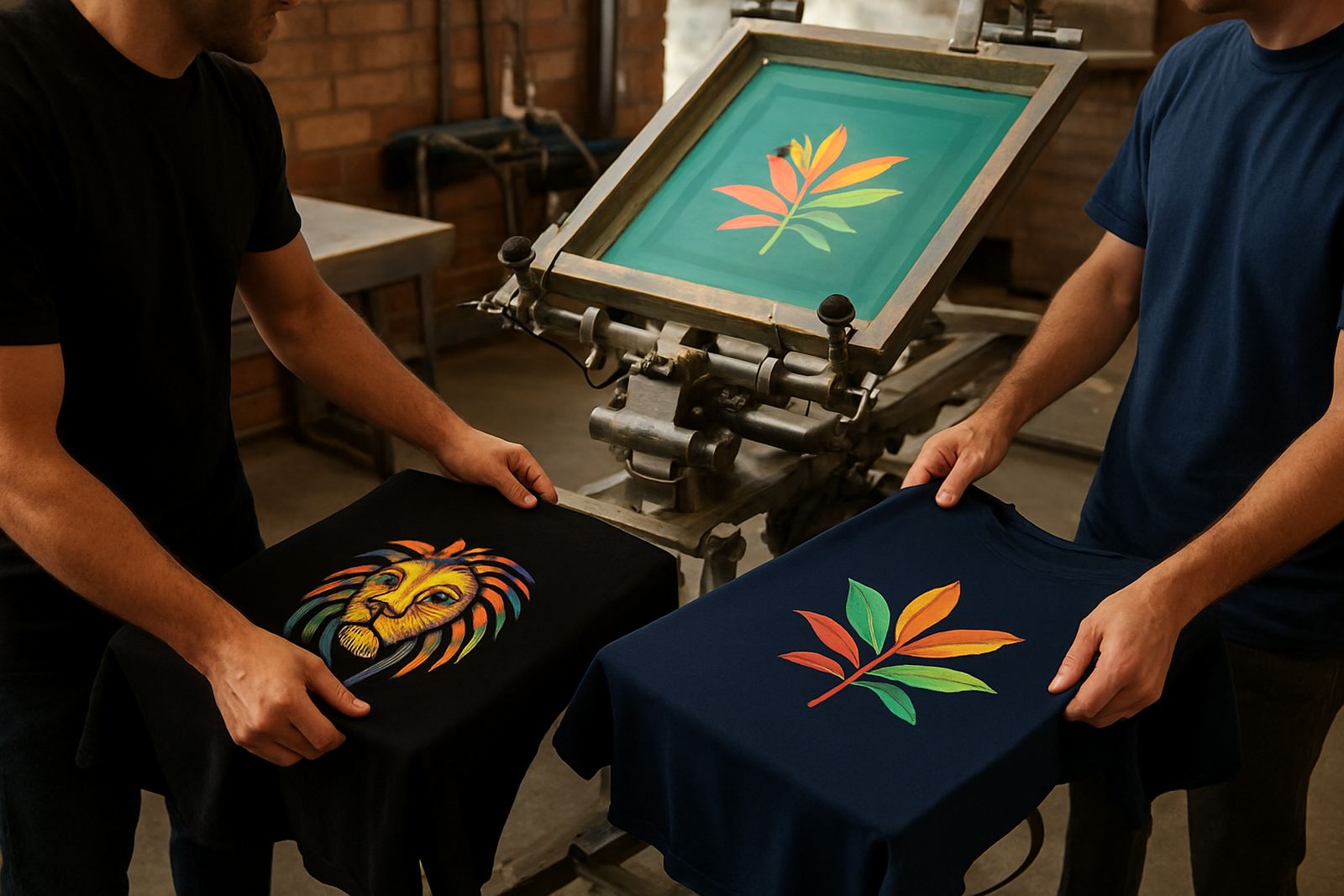
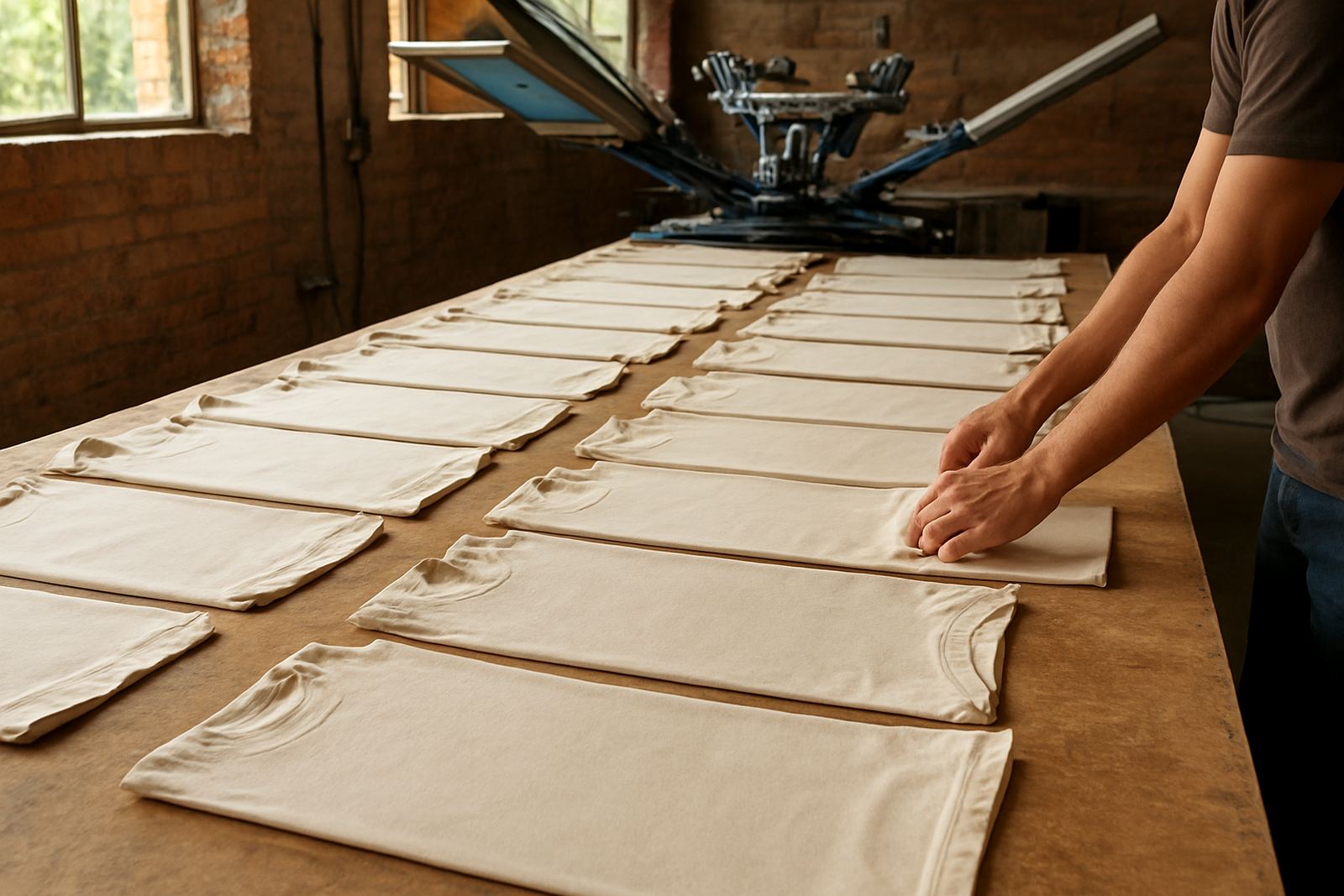
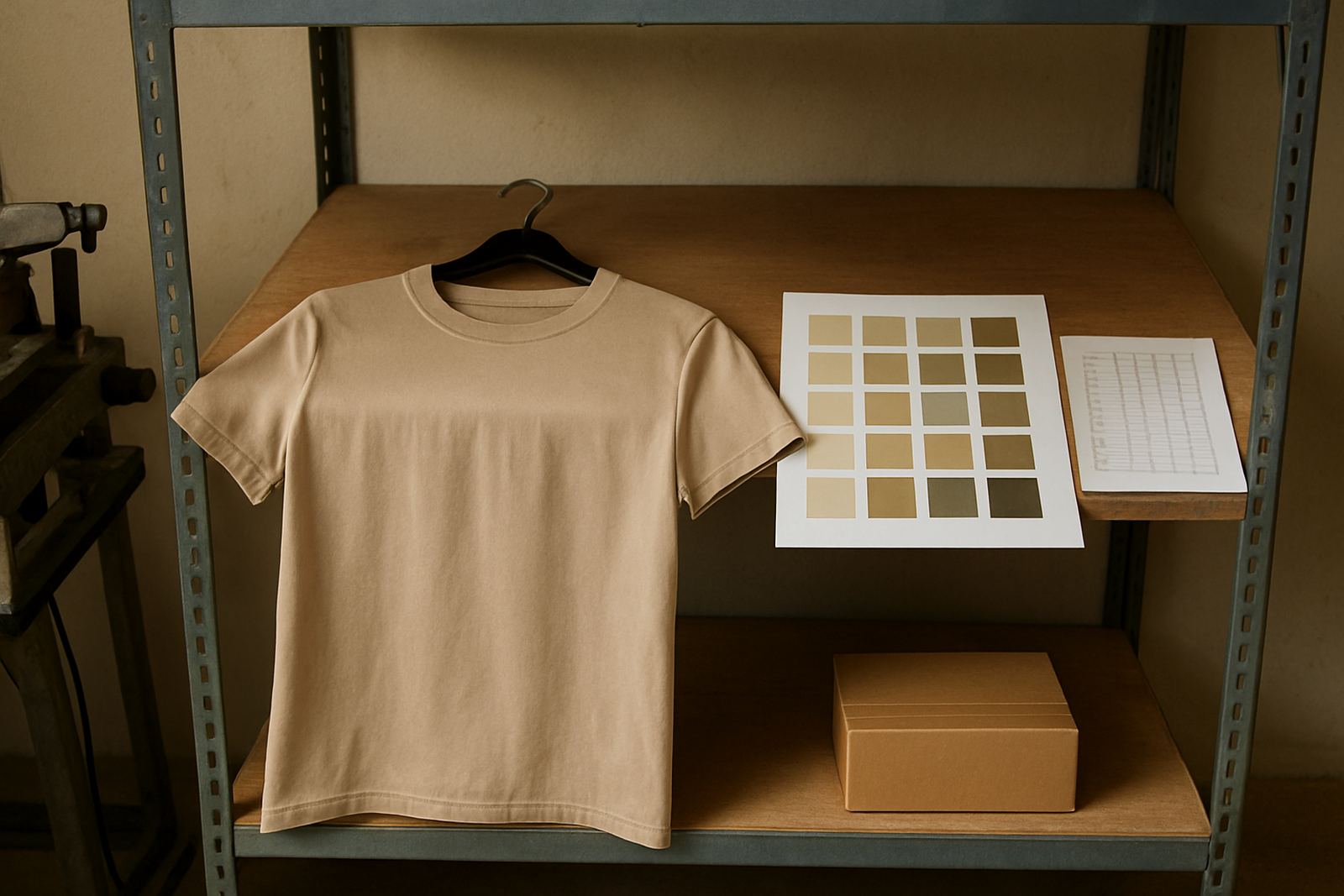
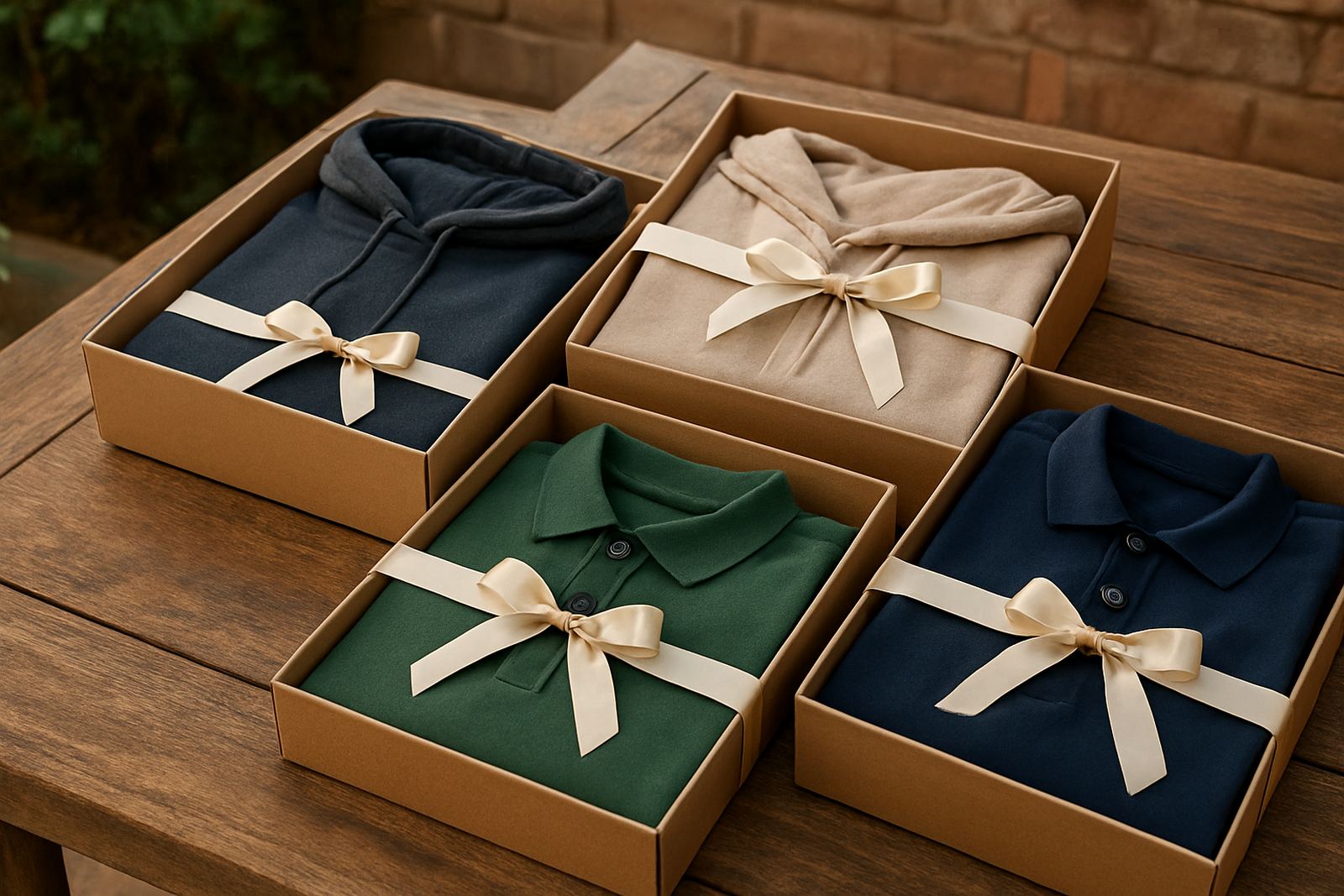
The best print starts with the right garment. A 100% cotton tee gives a very different print feel to a polycotton blend, and sportswear needs a different approach again. If you are ordering for schools, offices or events, think first about where the garment will be worn, how often it will be washed, and whether the team will need matching colours across different sizes.
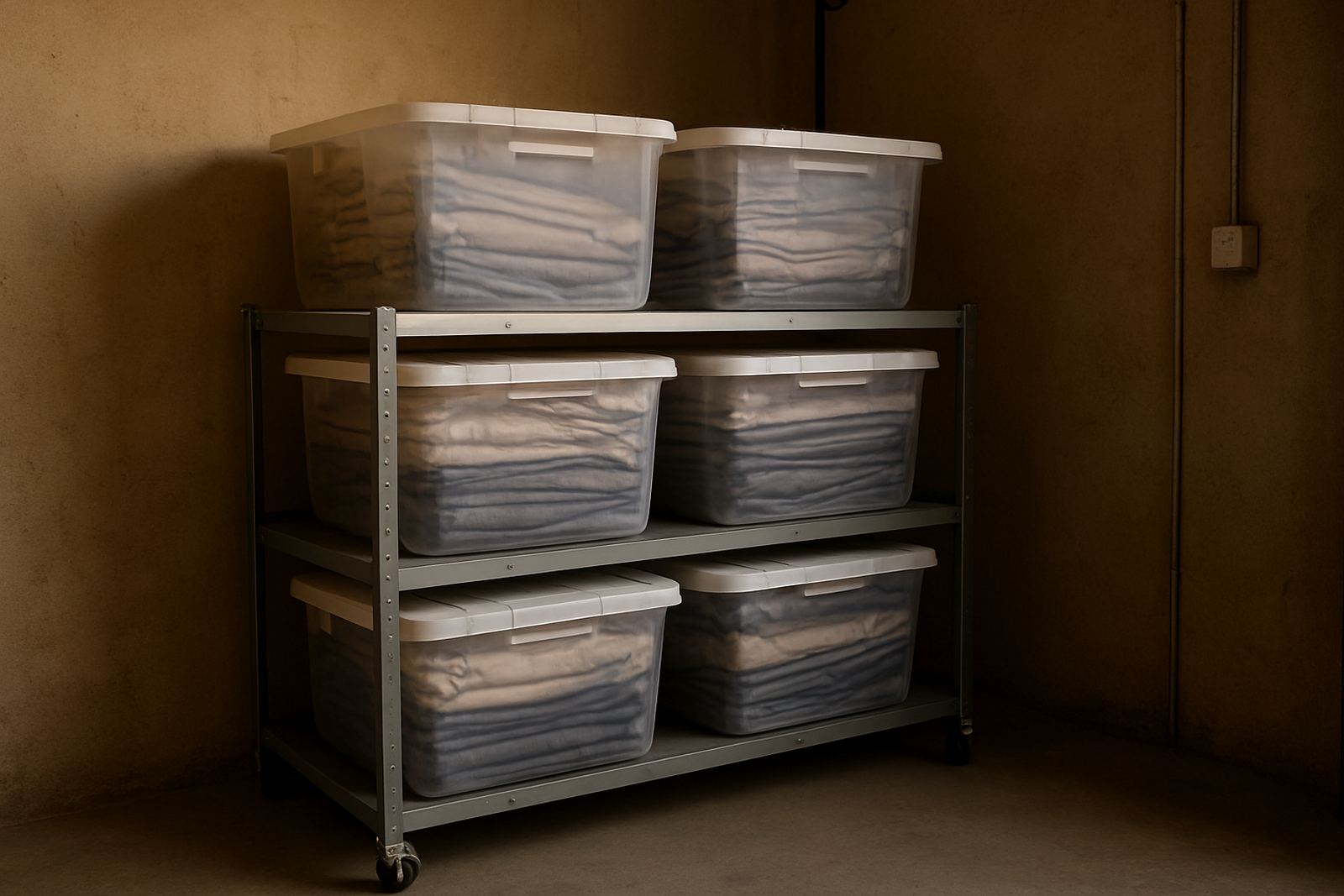
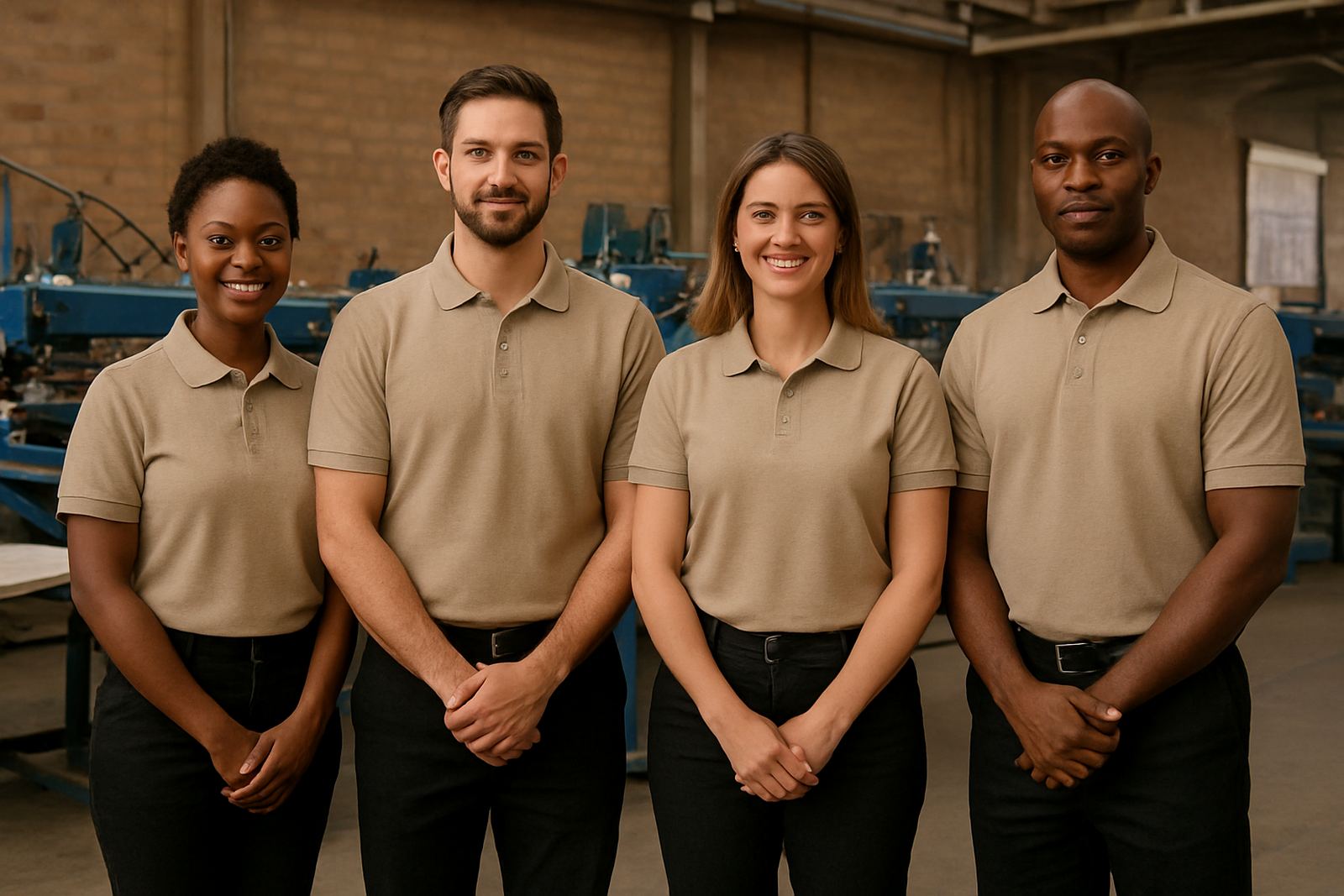
For outdoor workwear in the Free State, heavier fabrics and darker shades often hold up better to dust and frequent wear. For coastal deliveries, moisture and salt in the air can affect storage, so keep garments sealed until printing day. If you are not sure which fabric suits your budget and use, send through the garment type and we can advise before the print run starts.
Artwork That Prints Cleanly Every Time
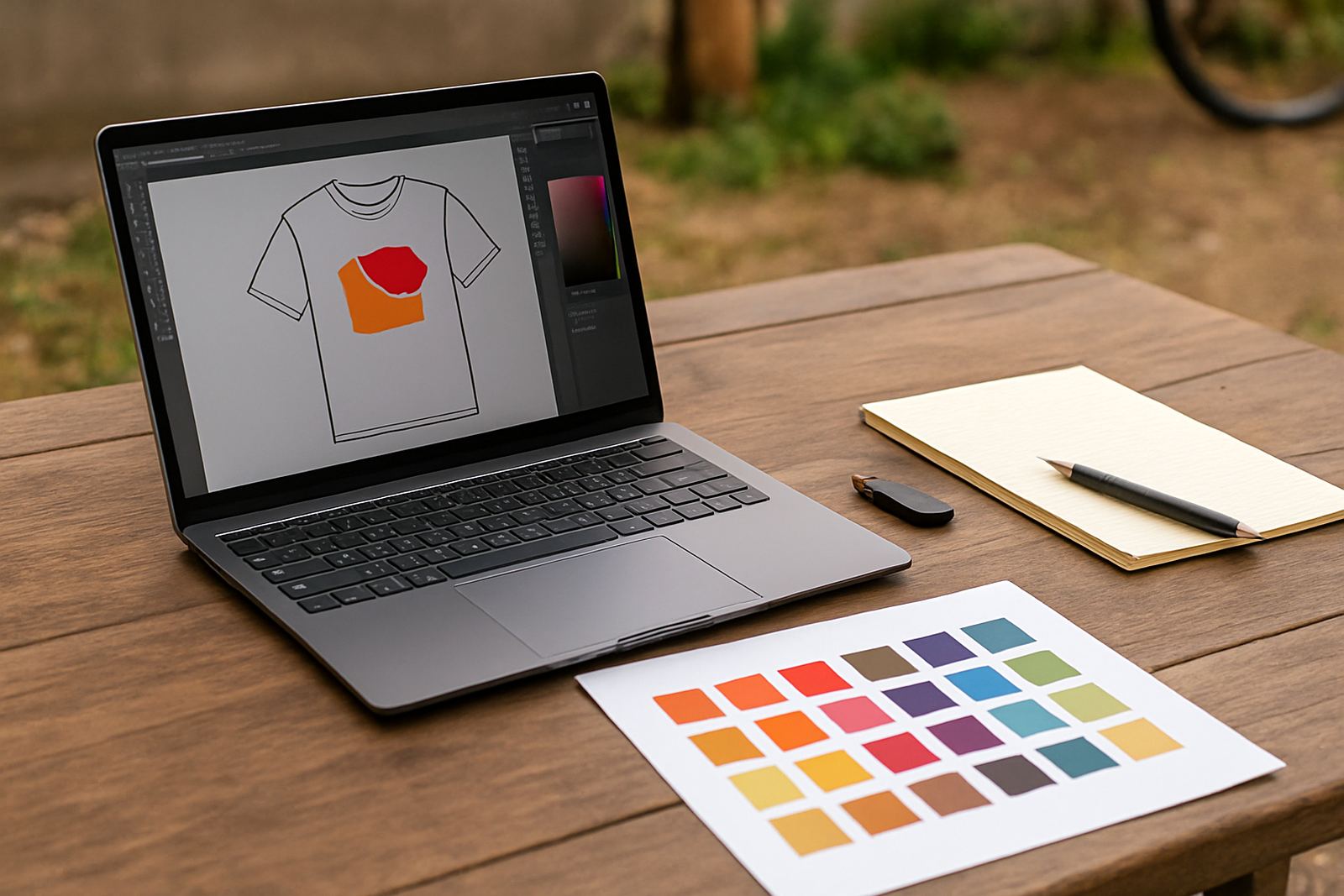
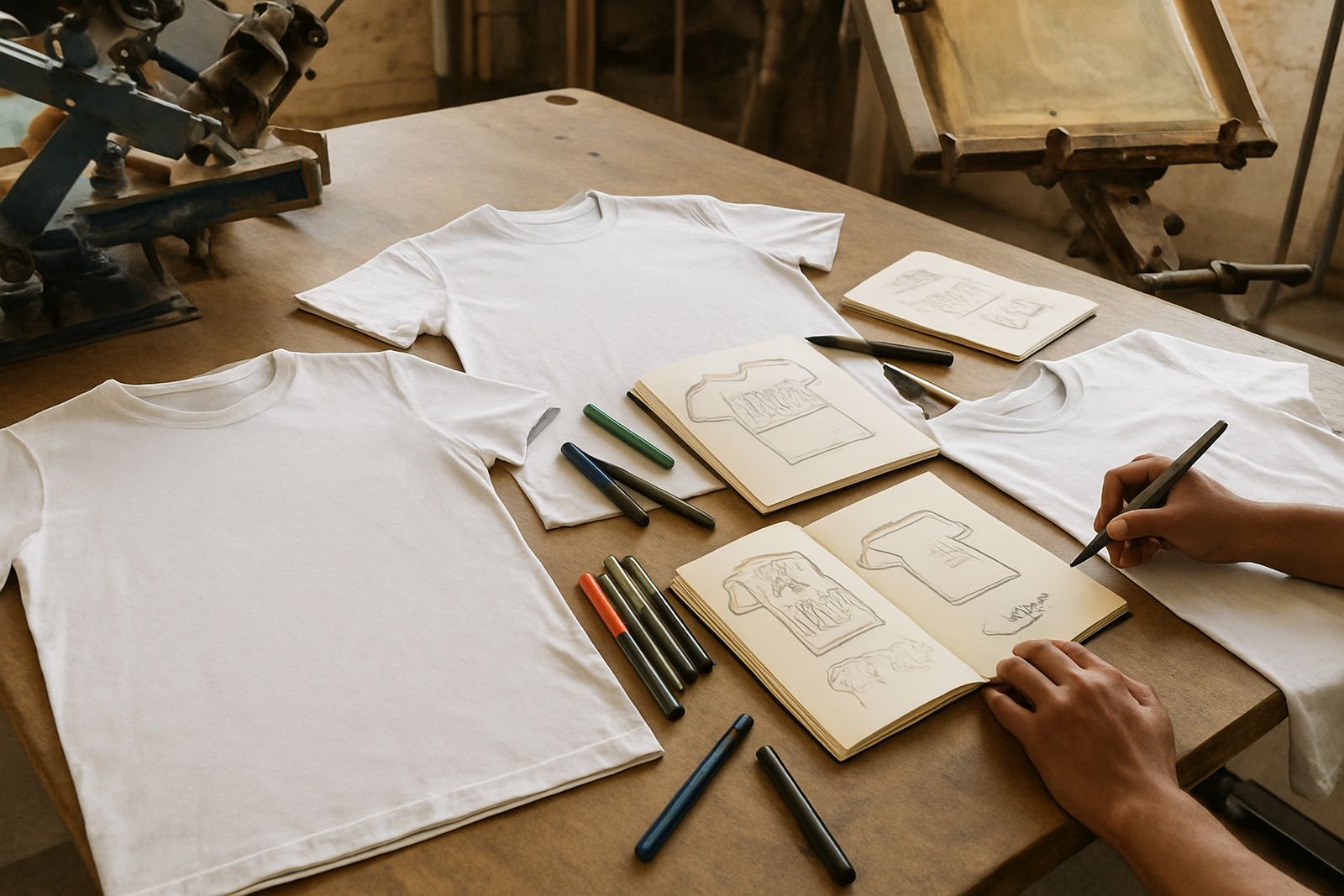
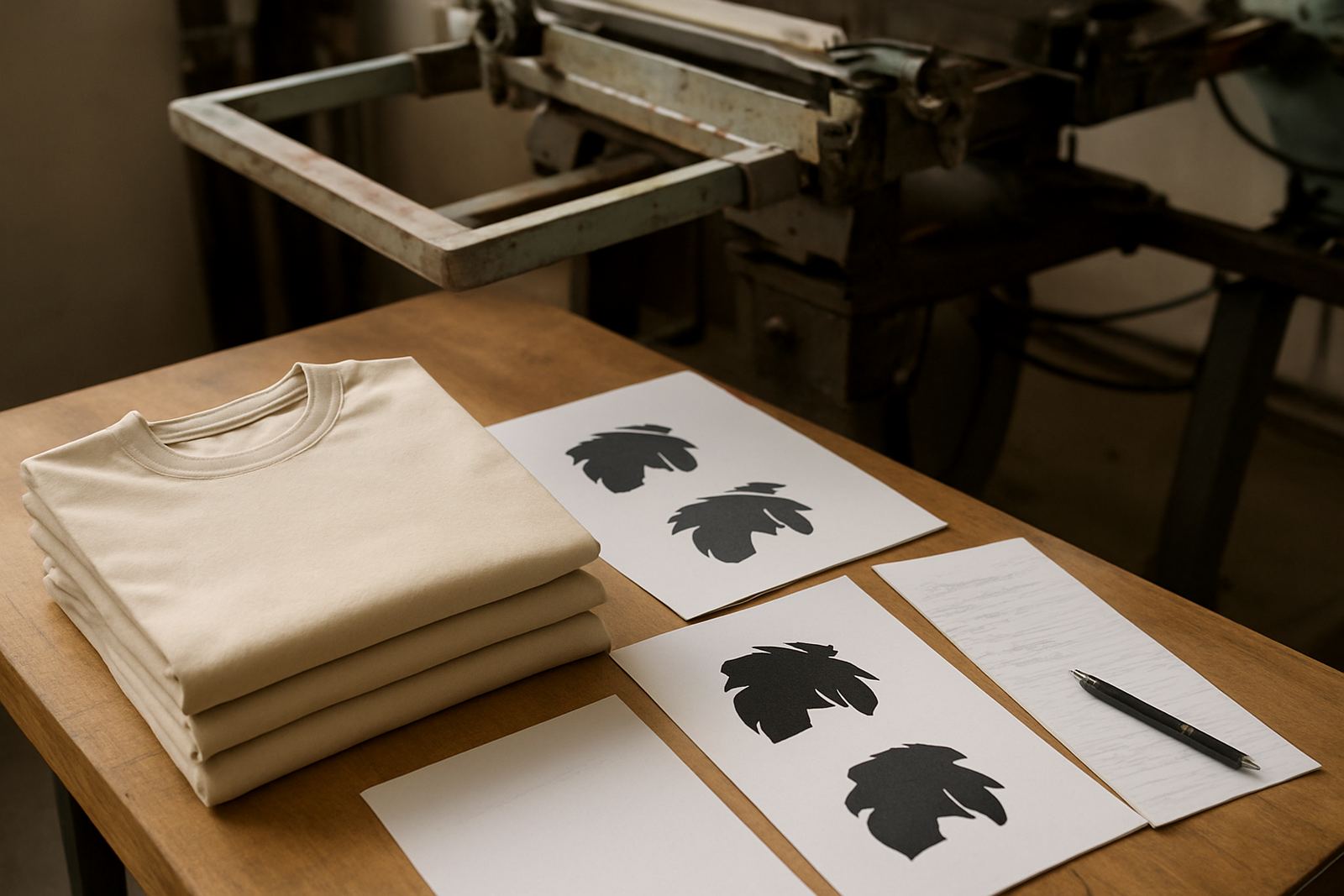
Clear artwork saves time and avoids costly rework. Vector logos are best for sharp edges, while low resolution images can blur or pixelate once enlarged. Keep text readable, line work simple, and avoid tiny details that may disappear on textured fabric. A strong design usually prints better than a busy one.
- Send artwork in the highest quality file you have available.
- Confirm the exact spelling of names, schools, branches and slogans.
- Choose ink colours that contrast properly with the garment colour.
- Tell us if the same design must be printed in multiple sizes.
Our artwork setup process checks spacing, placement and colour matching before production begins. That helps us keep your first sample close to the final result and reduces surprises when the full order is running.
How to Plan Timing for a Print Run
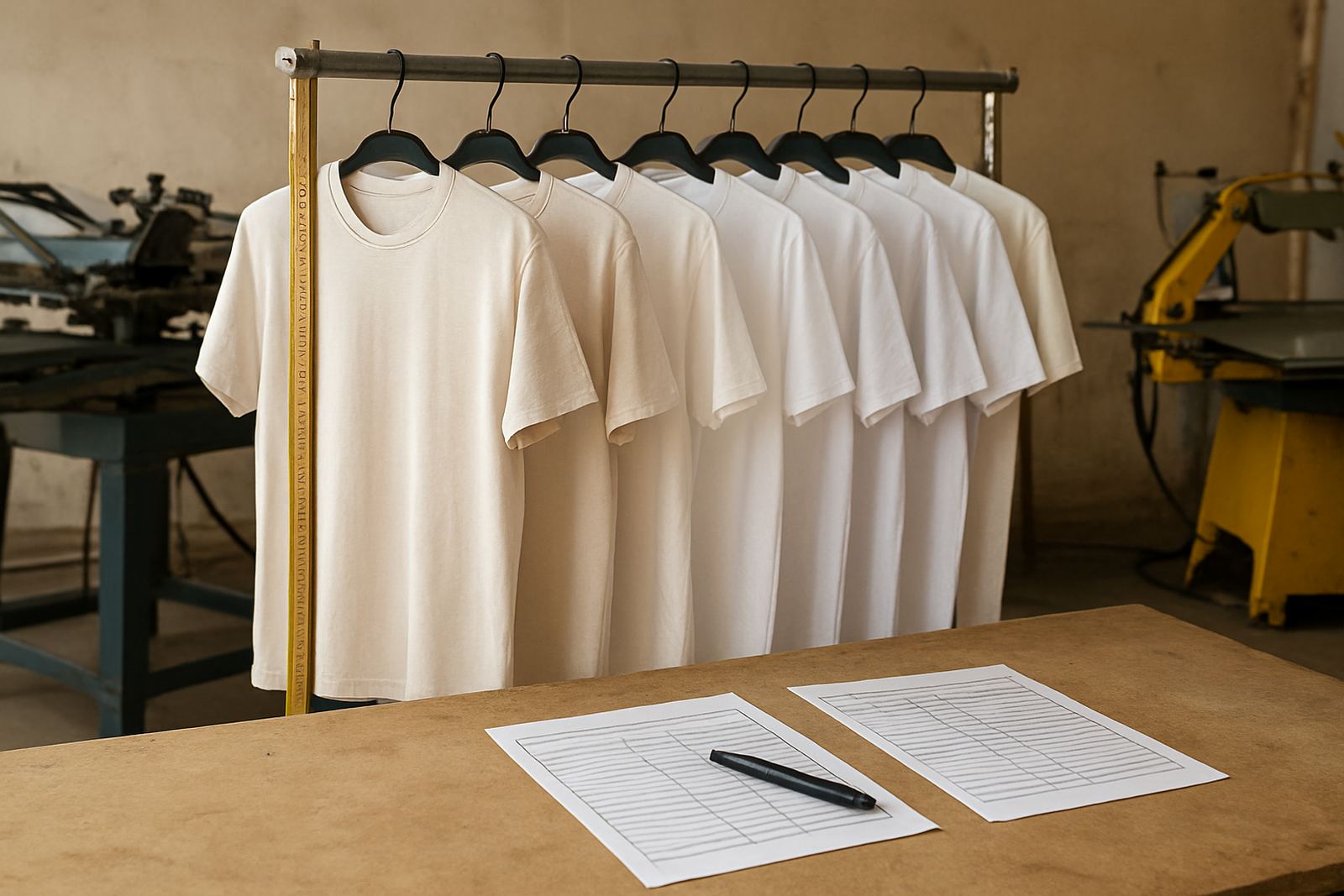
Good planning makes a big difference, especially for bulk orders and event shirts. If you need garments for a launch, sports day or staff rollout, allow extra time for artwork approval, size sorting and production. Rush orders are possible in some cases, but last minute changes often slow things down more than people expect.
In Bloemfontein and surrounding towns, load-shedding can affect certain stages of production so it helps to confirm your timeline early. For nationwide courier orders, add transport time on top of production time. If your event is in Johannesburg, Kimberley, Durban or Cape Town, build in a buffer for delivery and final checks.
- Simple one-colour jobs can move faster than multi-colour print runs.
- Individual name printing takes longer than standard bulk branding.
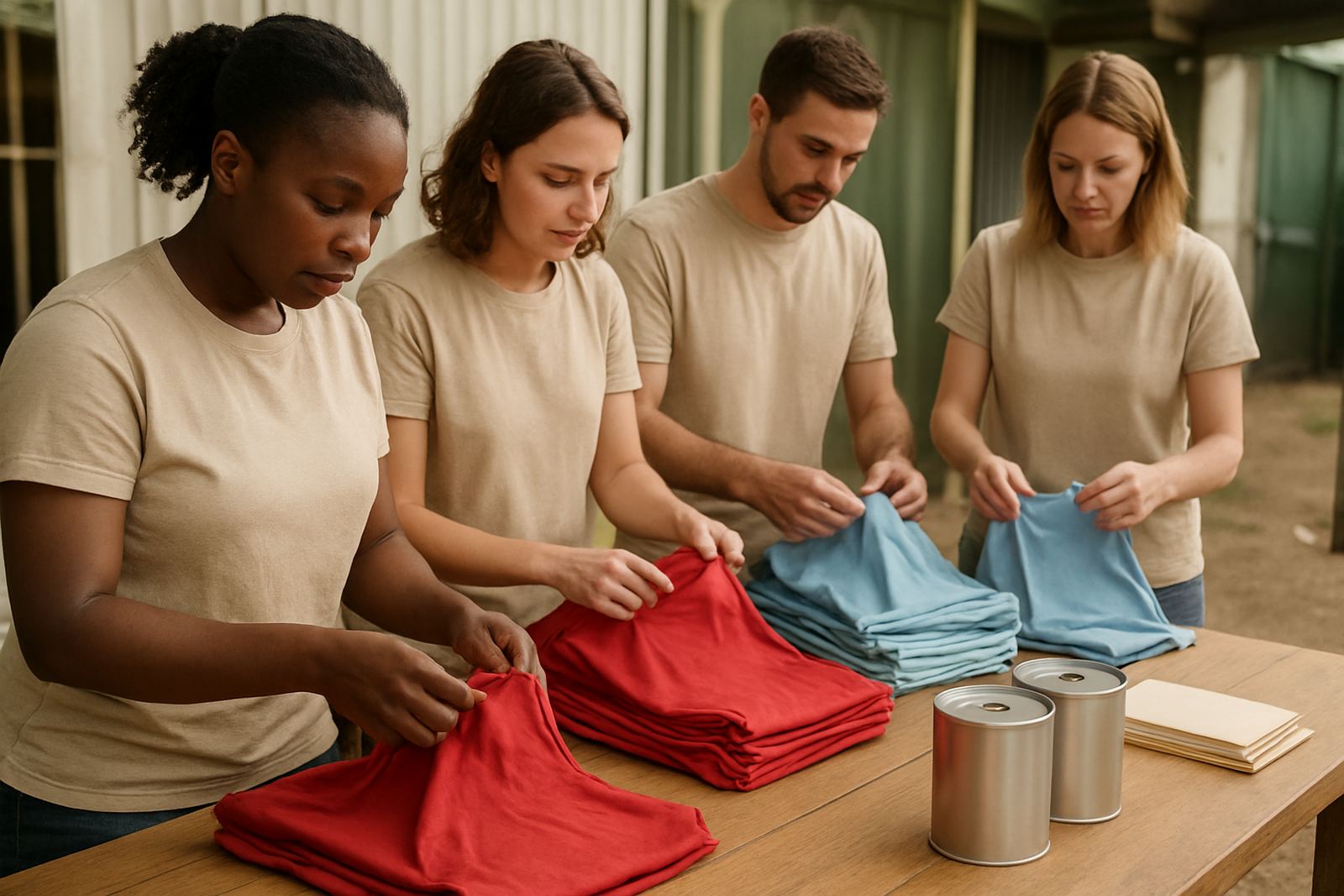
- Sorting by size and bagging items individually adds useful handling time.
- Courier delivery is best arranged once the order is final approved.
Choosing Between Bulk and Small Run Orders
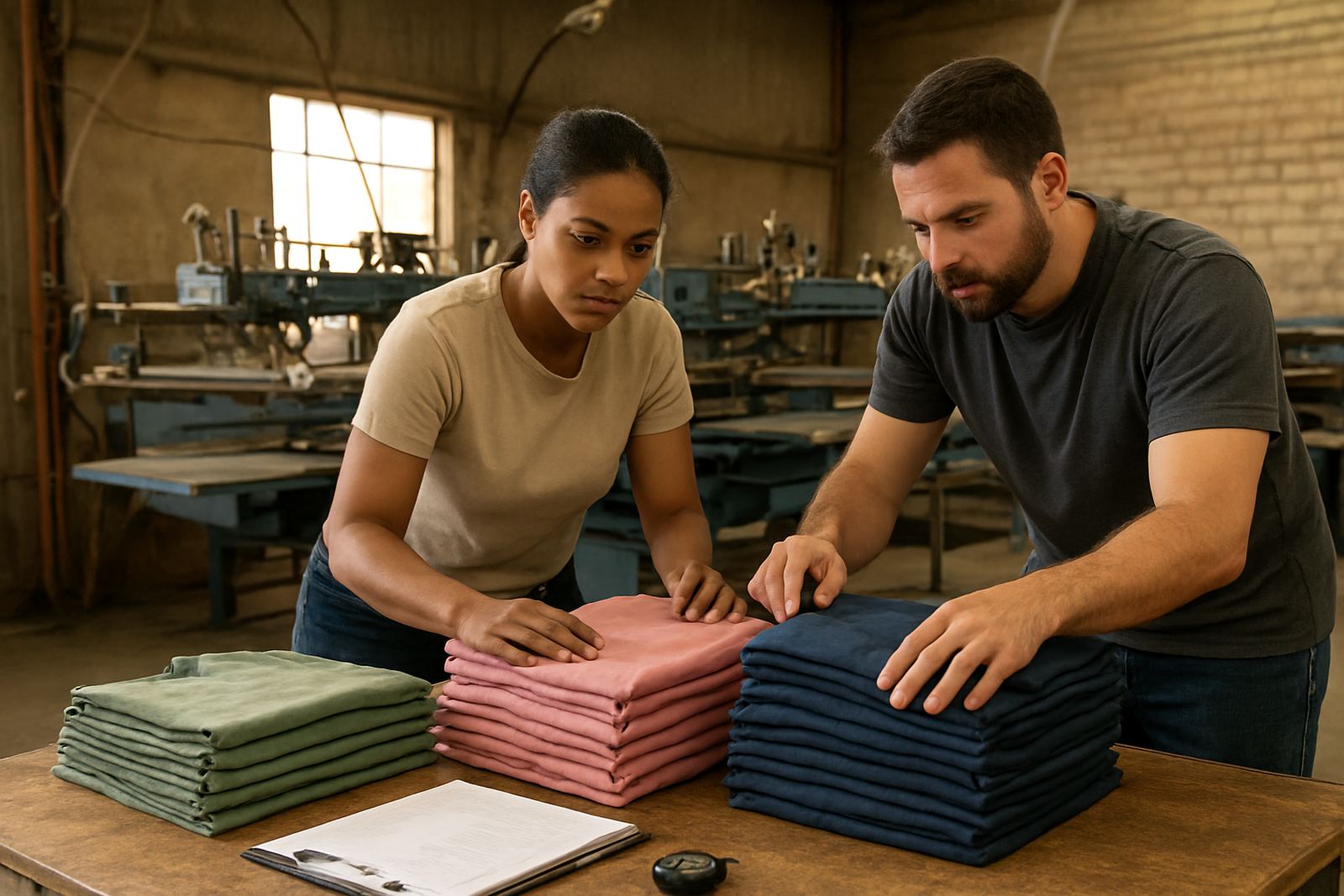
Not every order needs a large quantity. Some clients need a short run for a committee, a training group or a small event, while others need hundreds of shirts for schools or companies. Small runs are practical when you are testing a new design or dressing a limited team, and bulk orders usually work better when the same artwork is repeated across many garments.
If you need uniforms for a Bloemfontein office, shirts for a Parys fun run, or event wear for Bethlehem and Welkom, think about the purpose of the clothing first. The right quantity depends on wear, washing and how many people must be covered now versus later. We can help you decide whether it is worth adding a few extras for new staff or late entries.
Colour Matching and Placement Matter
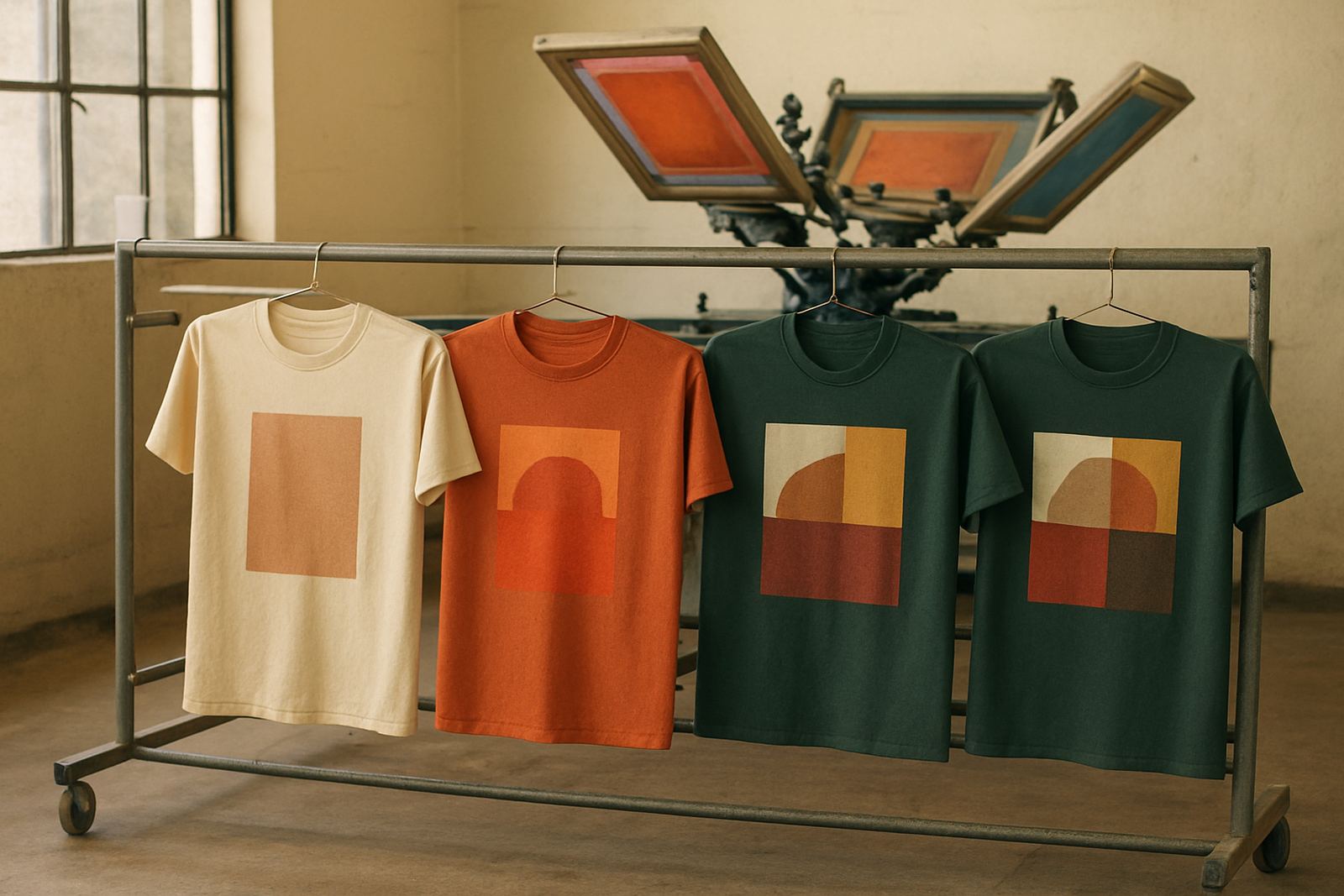
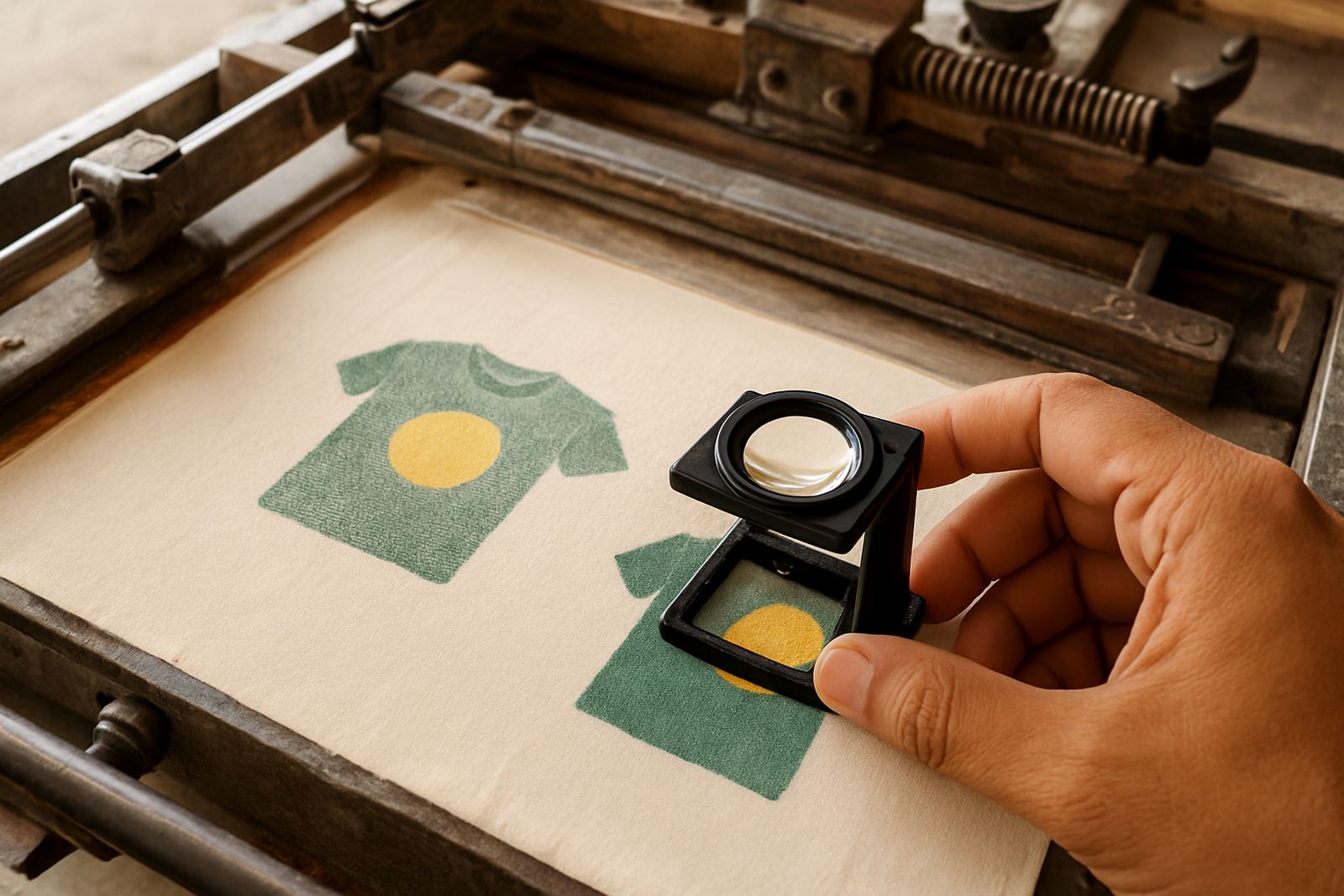
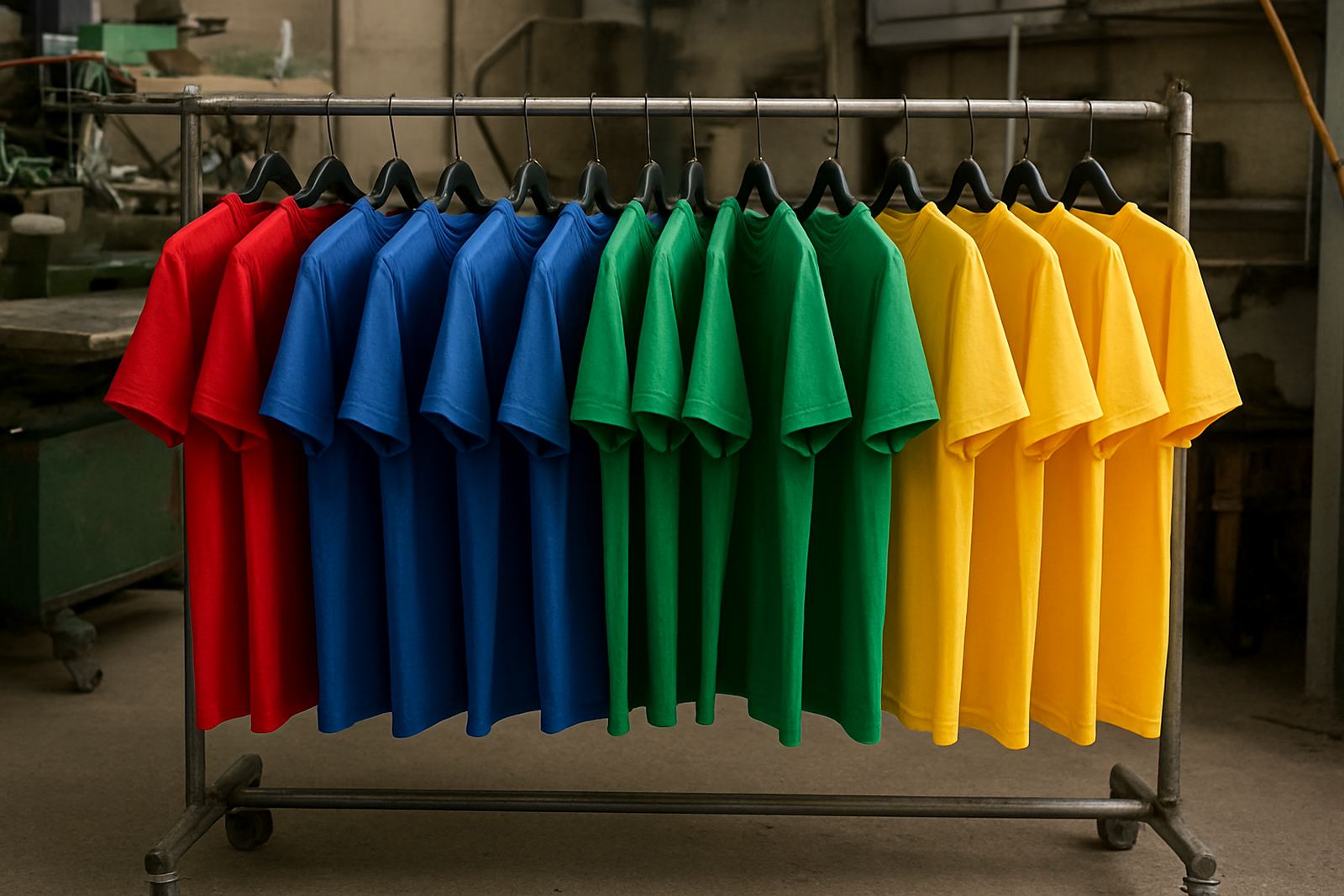
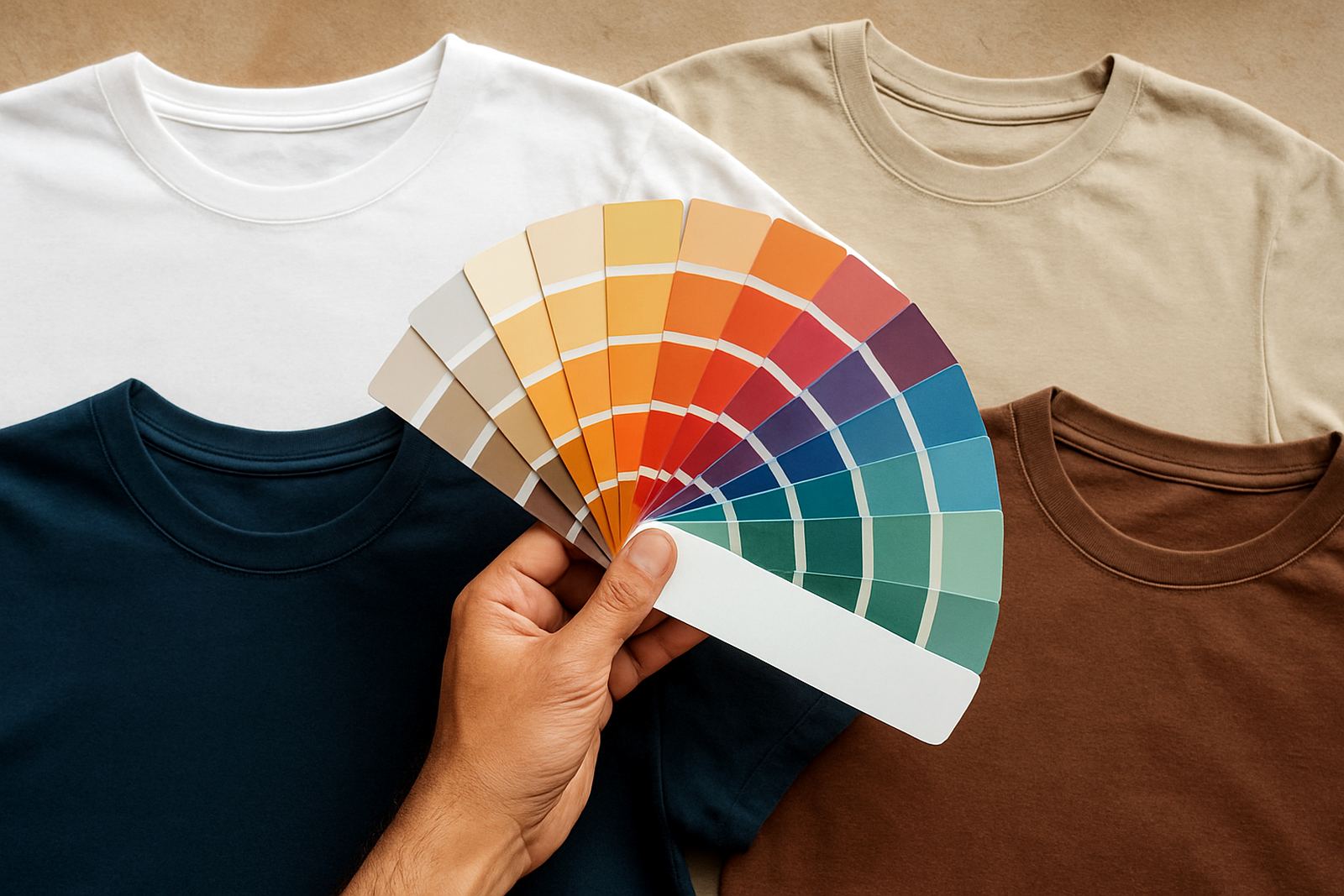
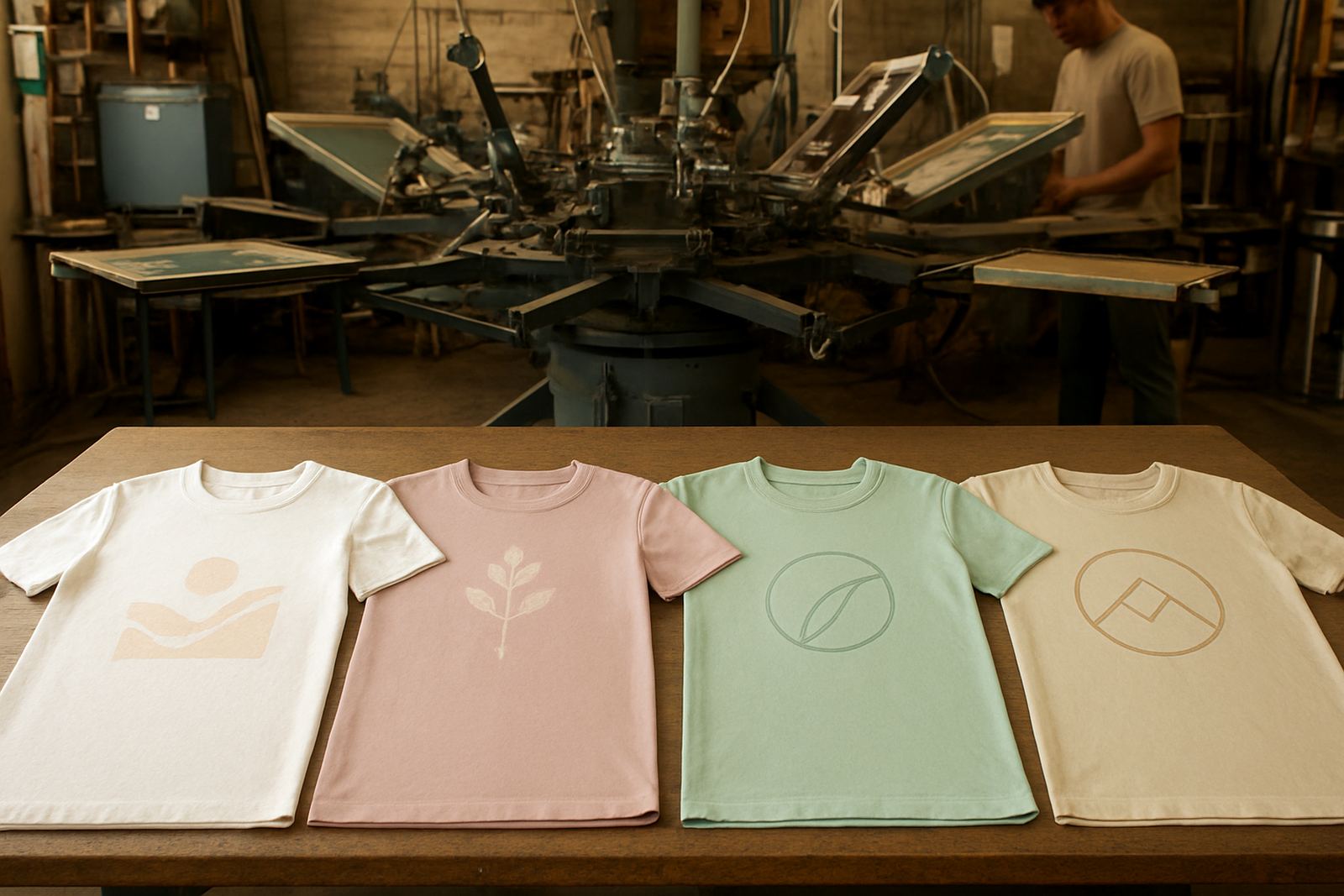
Colour is one of the first things people notice. Strong contrast helps logos stay visible, while tonal prints can look neat on workwear and school apparel. We check print colour against the garment so the final item is suitable for the fabric and the use. On some materials, a bright shade needs a base layer to stay true, while on others a softer look works better.
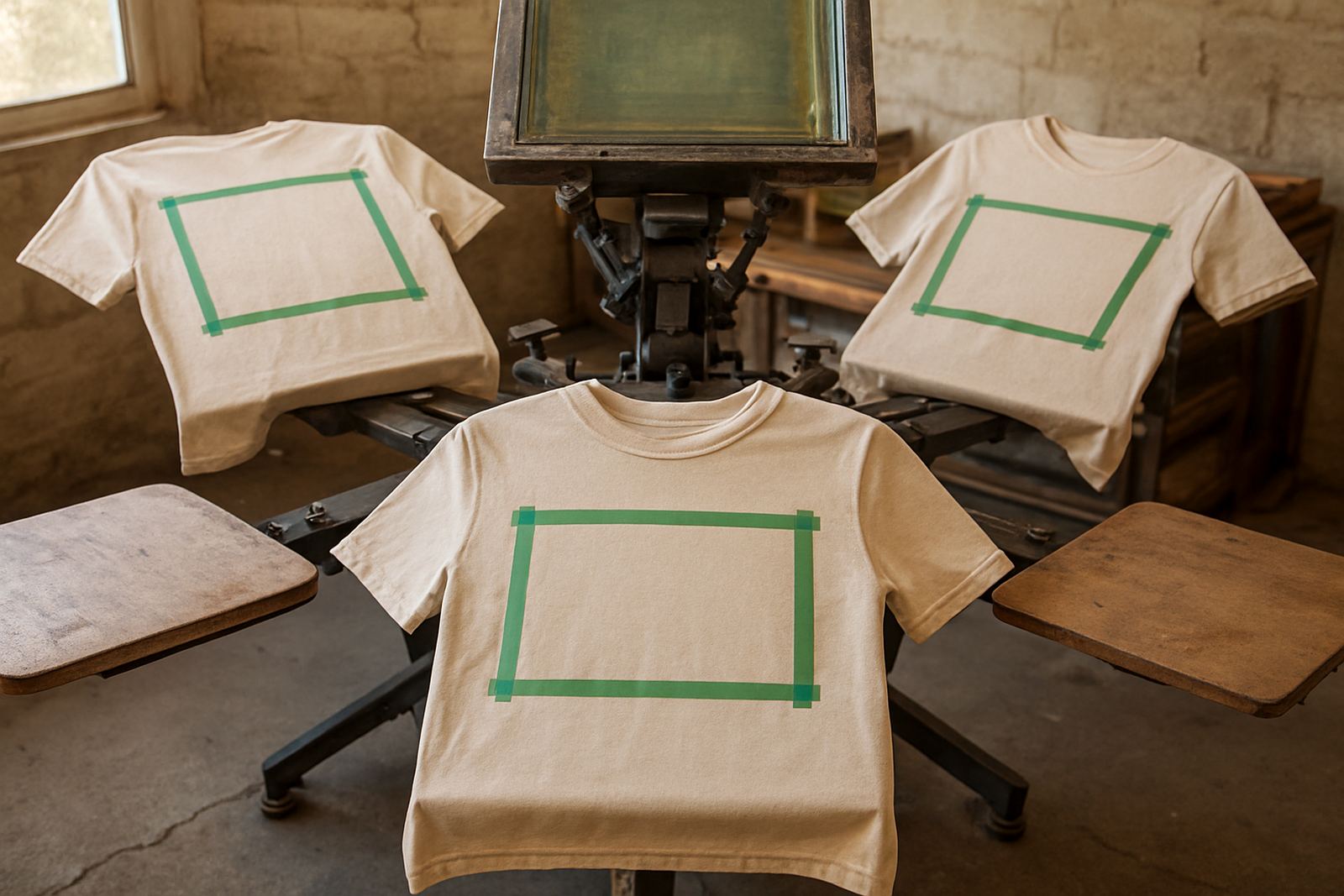
Placement also changes how the garment feels. A chest print may suit a uniform shirt, while a larger back print can work well for sportswear or event shirts. If you want a name, number or department added, tell us where each item must go before printing starts. That makes size sorting and bagging much easier at dispatch.
Care Advice for Printed Apparel
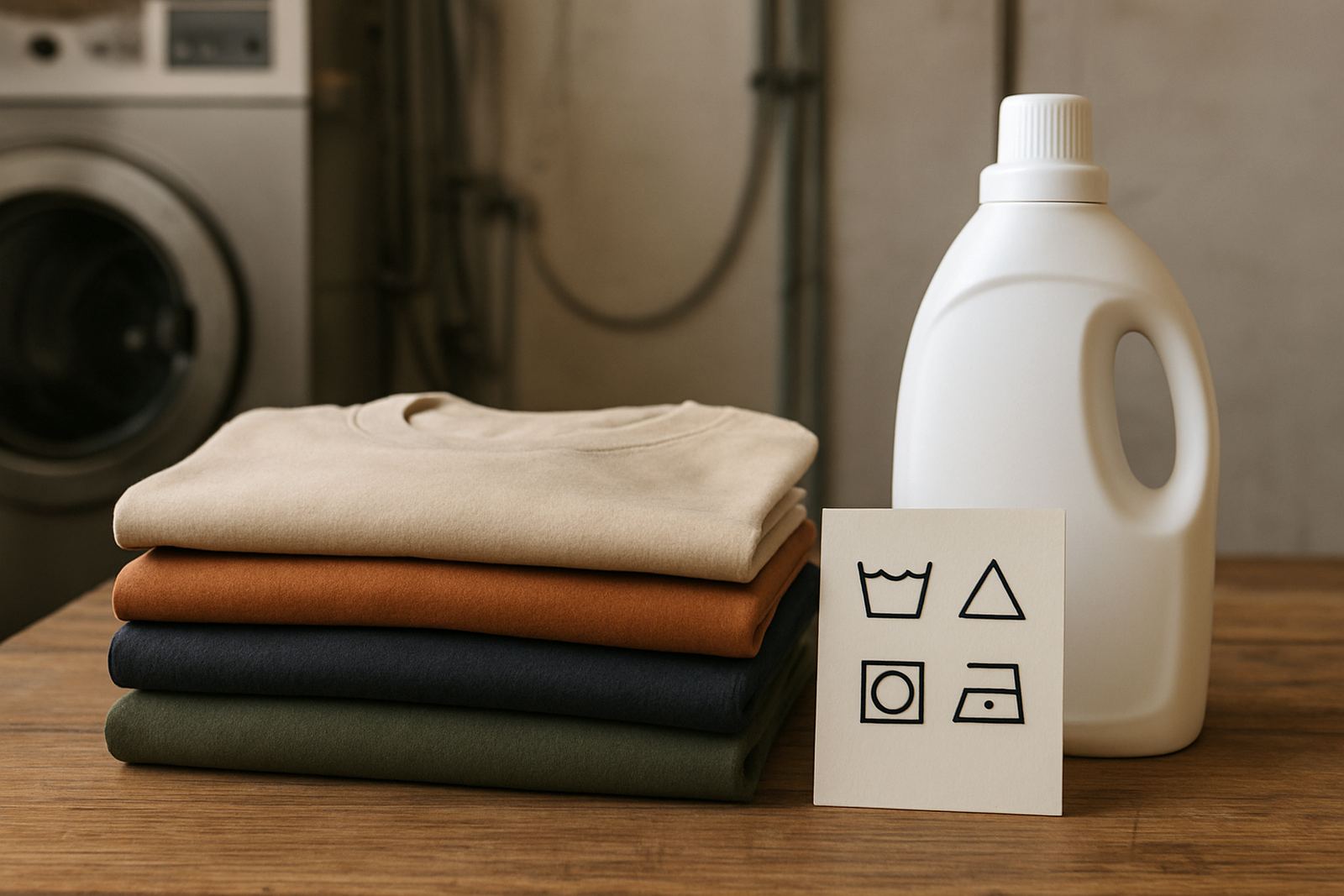
Printed garments last longer when they are washed and dried properly. Turn items inside out before washing, use cool water where possible, and avoid harsh bleach on decorated areas. Do not iron directly over the print unless you place a cloth over it. These small habits help protect colour and keep the print looking cleaner for longer.
- Wash similar colours together to reduce dye transfer.
- Do not leave wet garments crumpled in a gym bag or box.
- Avoid high heat drying on printed sections.
- Store unused stock flat or folded in a dry room.
For teams in Hamilton, Botshabelo and Thaba Nchu, this is especially useful for uniforms that get regular wear. A little care after delivery can save you from replacing garments too soon.