
Start With the Order Sheet, Not the Box
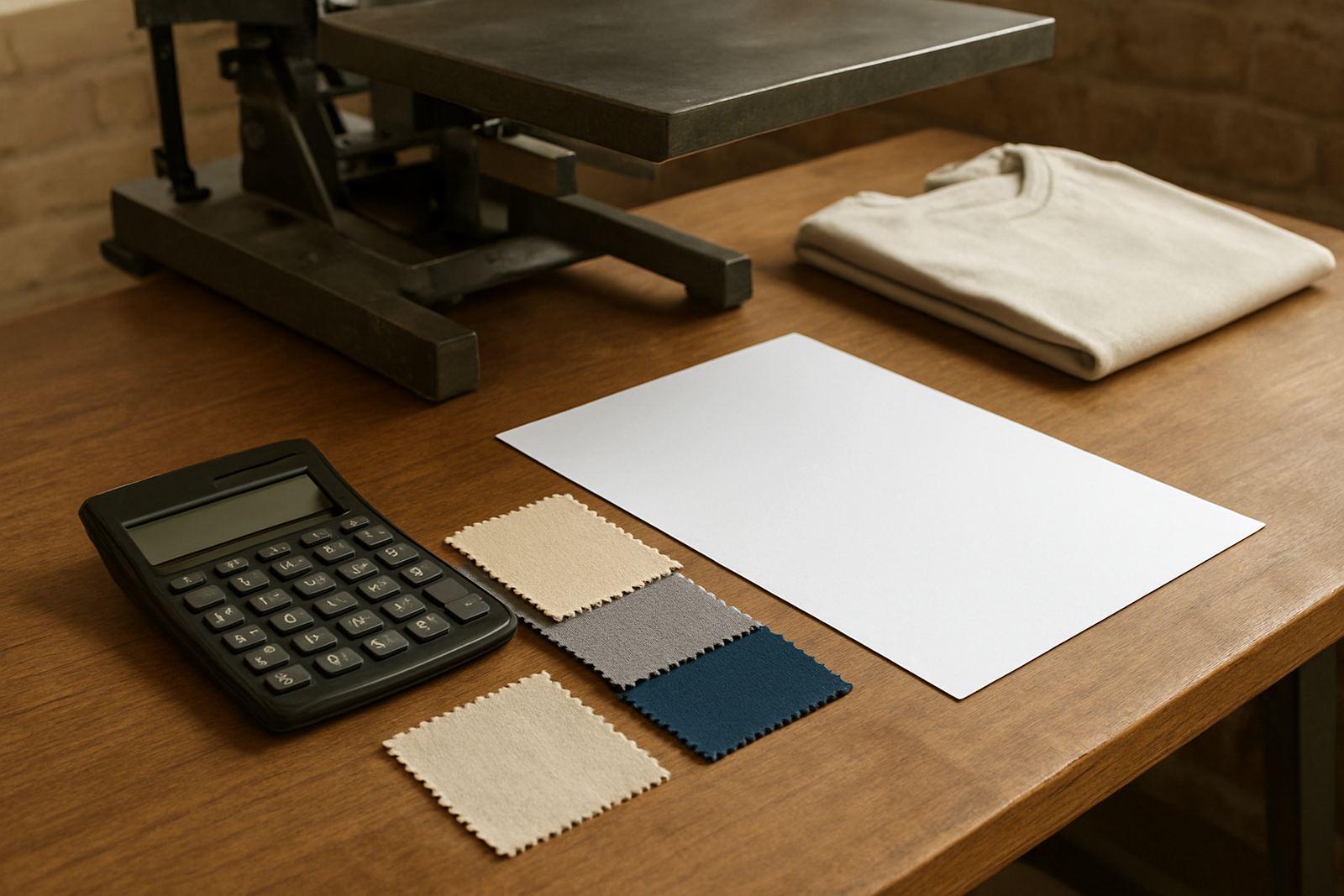
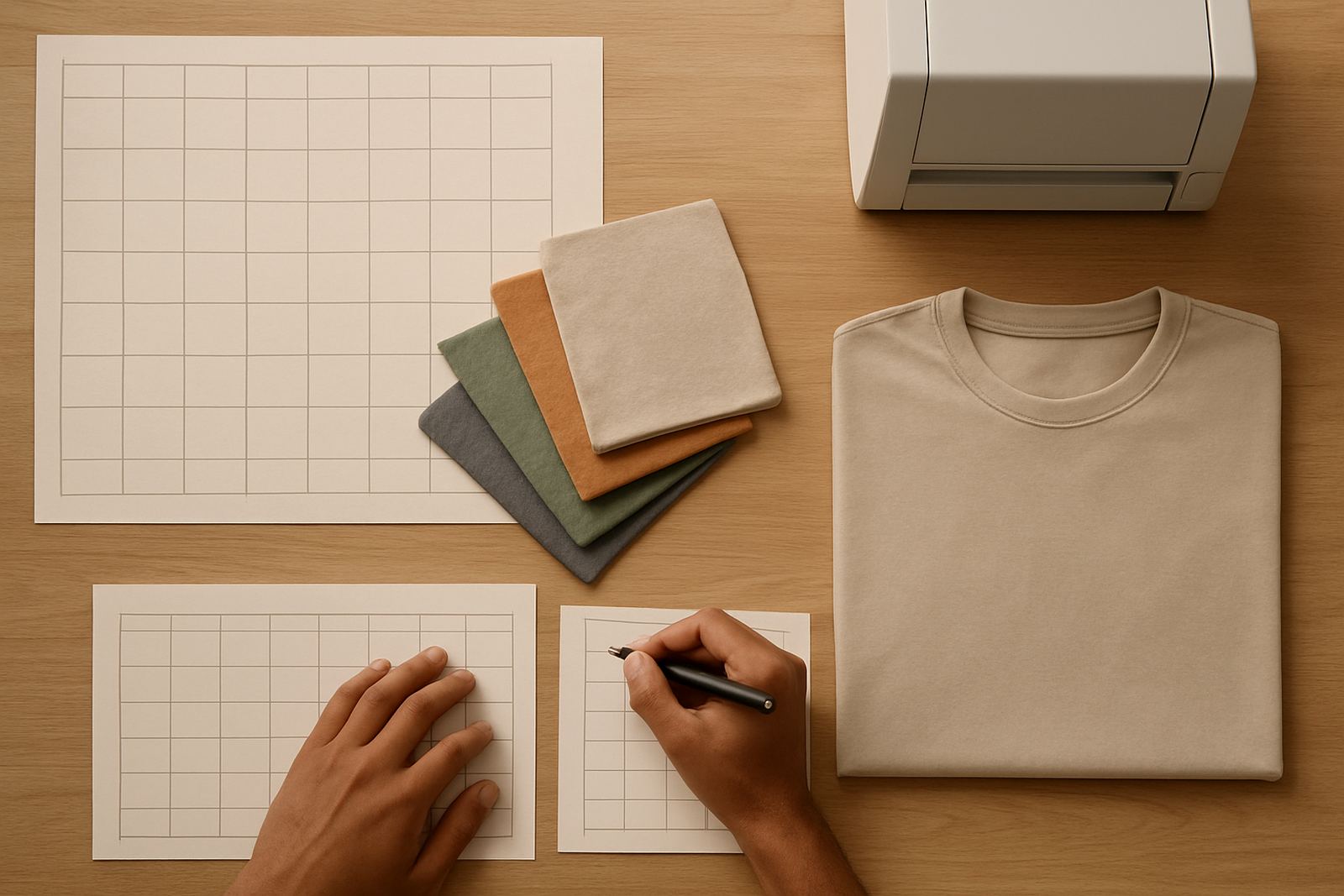
Safe couriering begins before any shirt is folded. Every packed order should match a clear job card that shows the garment type, size run, print position, colours used and the final count. When orders move fast, especially during school season or year-end event rushes, this is the quickest way to stop mistakes before they leave Bloemfontein.
For bulk uniforms, sportswear or event shirts, a second check matters. One person should confirm the print and another should confirm the quantities. At our Hamilton base, this step helps when a customer has 120 tees split across small, medium, large and extra-large, or when different teams need different colours in the same delivery.
Fold, Stack and Bag Each Size Separately
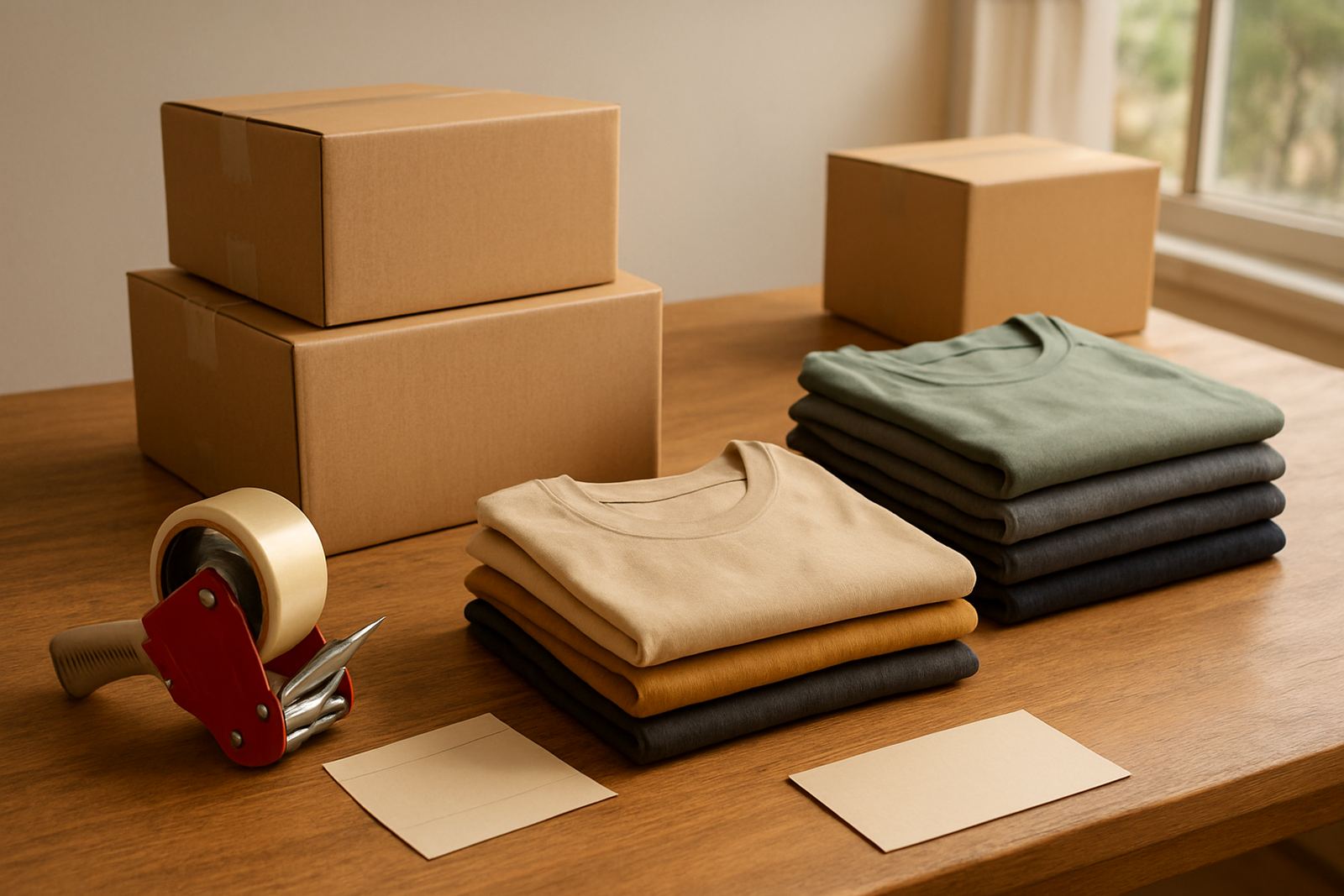
Clean packing starts with neat folding. Garments should be folded with the printed area protected, then stacked by size and style so the client can count them without unpacking everything. Where possible, each size should be bagged separately and labelled clearly. That makes delivery easier for schools, sports clubs and companies that need to hand out items quickly.
- Keep light colours and dark colours apart where ink transfer could be a risk.
- Use clear size labels on every bag, not just on the outer carton.
- Do not overfill bags, because compressed prints can crease during transit.
- Place children’s sizes together and adult sizes together for faster checking on arrival.
This method also helps when courier staff handle parcels through multiple depots. A clean internal packig plan reduces confusion if one outer box is opened for inspection or shifted during transit.
Protect Prints From Heat, Moisture and Pressure
South African weather can be hard on apparel in transit. In summer, courier vehicles can get hot fast, and on the coast humidity can affect packaging. In winter, early morning deliveries can face condensation if boxes are sealed before garments have fully cooled after printing. That is why printed garments should be completely cured, cooled and dry before packing.
Use cartons that fit the order properly. Too much empty space allows movement and wrinkling. Too little space can crush the print area. For long-distance couriering to places like Welkom, Bethlehem or Parys, a snug carton with internal protection is usually better than a loose one. If a delivery is going through a rainy week, an extra plastic liner inside the carton can help keep moisture out.
Choose the Right Outer Packaging for the Route
Not every order needs the same outer pack. A small run for a local business in Hamilton may only need a single carton, while a bulk school order bound for Thaba Nchu may need several cartons grouped and numbered. The route, parcel size and handling conditions all matter. Couriers move parcels by conveyor, stack and scan, so packaging needs to be strong enough for repeated handling.
- Use double-wall cartons for heavier orders or mixed apparel packs.
- Seal all edges with proper packing tape, especially the base.
- Mark cartons clearly with order numbers and size ranges.
- Avoid loose items inside the box that can move around and crease prints.
- If the order is fragile or urgent, add handling notes on the outside and inside paperwork.
For nationwide deliveries, labelled cartons also help when multiple parcels travel together and arrive on different vehicles. That is common with larger corporate or school orders, so the packing list must be easy to read.
Count Before Dispatch and Count Again on Delivery
The safest couriering system is one that makes counting simple. Before a parcel leaves, the final count should be checked against the order sheet and then written on the dispatch label or packing note. If the order is split across boxes, each box should show how many items it contains and what sizes are inside. This keeps the receiving team from having to open every parcel to confirm quantities.
It also helps prevent disputes. When a client in Bloemfontein, Botshabelo or Kroonstad signs for a parcel, they should know exactly what is inside each box. For larger orders, a count sheet can be placed on top of the garments and another on the outside of the carton. That small step saves time and makes handover cleaner for everyone.
Local Deliveries Need the Same Care as Long-Distance Ones
Couriering within the city can be just as tricky as sending parcels across the country. Short trips are often rushed, and rushes create damage. A box moving from Hamilton to a client in central Bloemfontein can still pick up dust, rain or rough handling if it is not sealed properly. This is why even local orders should be bagged, boxed and labelled the same way as a national shipment.
One practical example is a school in Bloemfontein ordering printed T-shirts for a sports day and tracksuits for staff. The shirts may go in one carton by size, while the tracksuits go in another by department. If the courier collects both together, each carton should be marked so the school office can distribute them without opening everything on arrival. That is especially useful when the office is busy and the receiving space is limited.
Why a Good Packing Process Saves Time and Money
Good packing does more than keep garments neat. It reduces returns, prevents missing items and cuts down on extra trips back and forth. For businesses, schools and event organisers, that means fewer delays and less stress at the point of handover. It also protects the printed work itself, which matters when a brand or team needs a sharp, clean presentation.
At Screen-Printers Service in Hamilton, Bloemfontein, the aim is to make sure every parcel leaves counted, sorted and ready to hand over. Whether the order is going to Botshabelo, Welkom, Bethlehem, Kroonstad or anywhere else in South Africa, the same principle applies: pack it cleanly, label it clearly and check it twice before dispatch.