Why fundraiser shirts work when the message is simple
Shirts do three jobs at once. They put your message in public, they create a small income stream and they give supporters something practical to wear long after the event is over. For schools, charities, clubs and community groups, that matters because people often support causes they can see clearly. A shirt is easy to understand, easy to sell and easy to recognise at a glance.
The strongest fundraiser shirts are not overloaded with detail. A clear slogan, a strong date or event name and a simple logo usually carry better than a crowded layout. When someone wears the shirt in town, at work or at a Saturday match, the cause stays visible without needing a big explanation. That is what turns one sale into repeated awareness.
In the Free State, where events are often tied to school calendars, sports days and community drives, shirts also give teams a practical layer of identity. They help volunteers look organised, and they help participants feel like they belong to something worth backing.
Choose a print plan that suits your numbers and budget
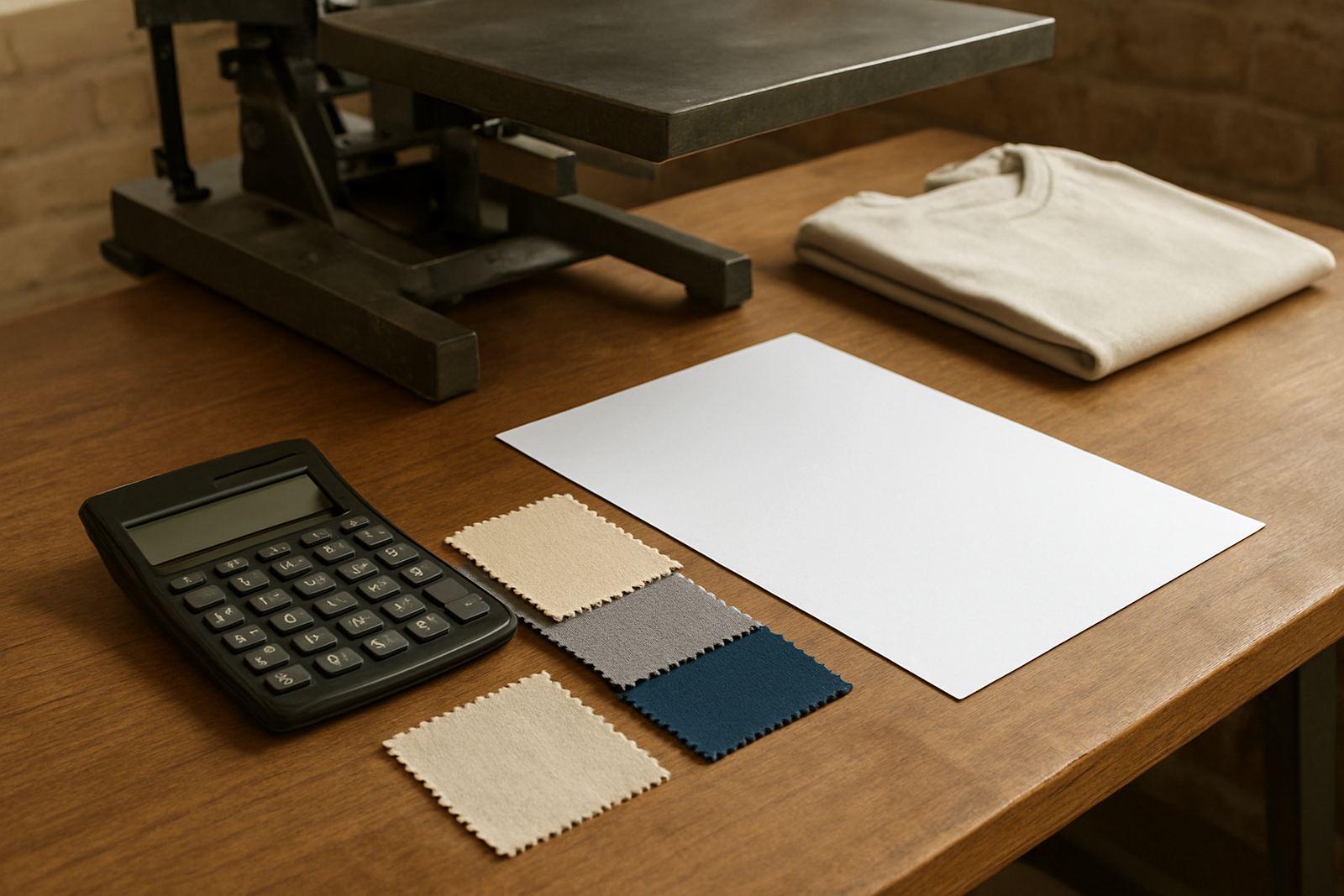
The first question is not colour or style. It is quantity. A small school raffle run of 20 shirts needs a different plan from a 500 shirt run for a regional sports day. Screen printing is often the practical choice for bulk fundraiser orders because it handles larger quantities well and keeps the unit cost sensible. For smaller groups, a short run can still make sense when the design is simple and the deadline is tight.
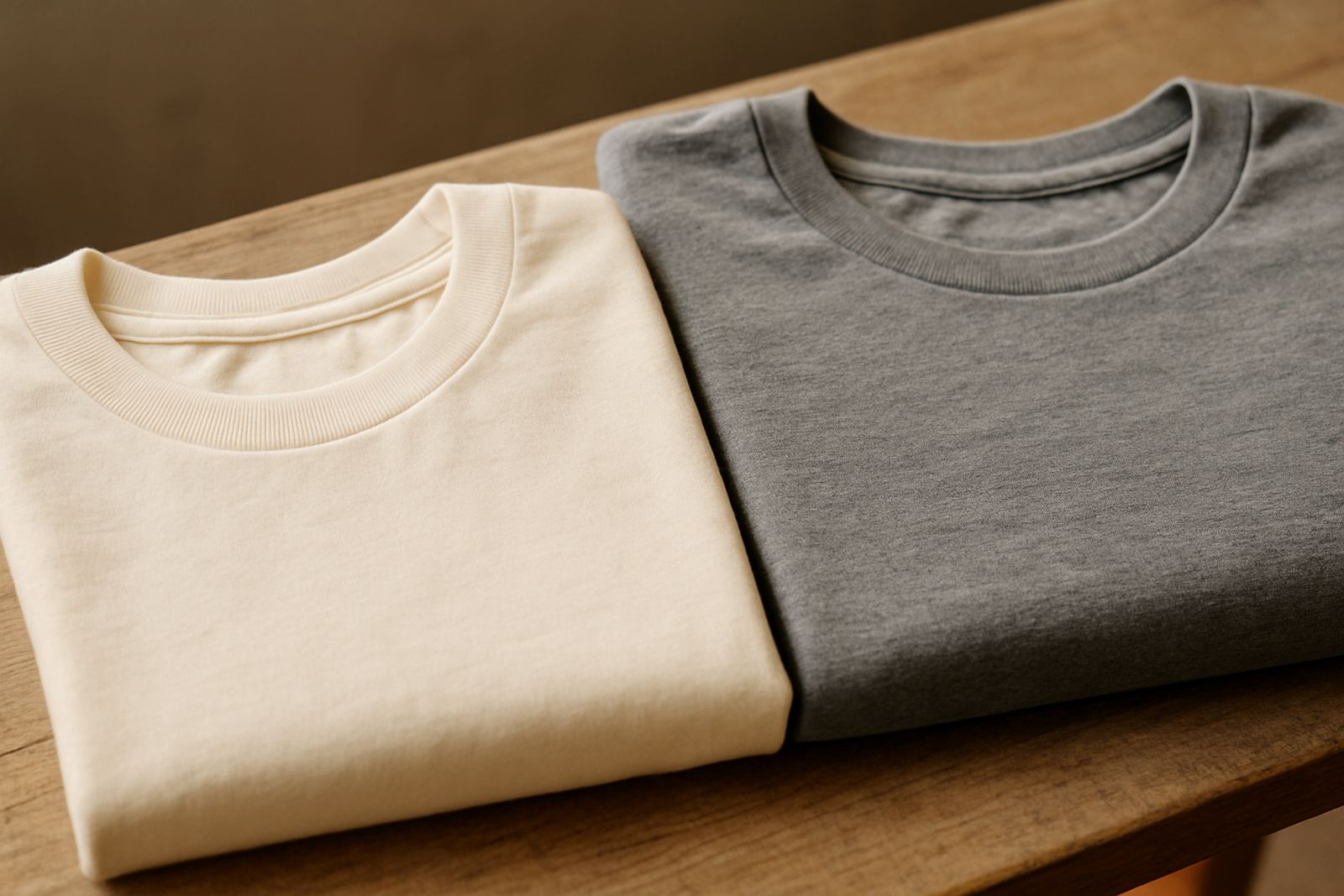
Think about the shirt fabric too. Cotton is comfortable for casual wear, while blended fabrics may suit active use or a tougher work-style look. In hot inland weather, lighter colours can feel cooler for long event days. For evening events or winter drives in Bloemfontein, navy, charcoal and black often stay popular because they are neat and easy to pair with other clothing.
- For 20 to 50 shirts, keep the design simple and the colours limited.
- For 50 to 200 shirts, plan for better price breaks and a consistent artwork layout.
- For school and club campaigns, choose sizes that cover children, teens and adults without over-ordering one size.
- For event sales, leave room for extra shirts if late supporters come on board.
Design for visibility, not just decoration
Fundraiser shirts sell better when the purpose is obvious from a few metres away. That means using strong contrast, readable lettering and artwork that does not disappear when someone stands in sunlight or under hall lighting. If the shirt is meant for a walk, a fun day or a class project, the front should do the heavy lifting. The back can carry sponsor names, a hashtag or a short line of support.
It also helps to decide early whether the shirt is mainly for sales or mainly for wearing on the day. A shirt sold to raise funds must appeal to people who were not part of the planning meeting. A shirt for participants can be more specific and personal. The best campaigns usually balance both by keeping the front bold and the back informative. If there is a logo, a year and a cause line, they should all work together without clutter.
Artwork setup matters here. Clean files save time, reduce errors and make colour matching easier. If a logo has been redrawn many times over the years, it is worth tidying it up before print. That small step can be the difference between a shirt that looks amateur and one that people want to keep wearing.
Use shirts to lift sales before the event starts
A lot of fundraiser teams wait until the event day to push shirt sales, but that is usually too late. The real opportunity is in the lead up. Once people see the shirt design, they can decide whether to buy one, order a size for a child, or support the cause even if they are not attending. Pre-sales also help you estimate stock more accurately, which protects the budget.
For a community project in Bloemfontein, Hamilton or nearby areas like Botshabelo and Thaba Nchu, a simple order form can go a long way. Schools, churches and clubs often do better when they collect sizes first, then place one organised order rather than guessing. That reduces leftovers and keeps distribution easier on collection day.
- Show the shirt design early on posters, WhatsApp messages and printed notices.
- Set a clear cut-off date for orders so production can be planned properly.
- Offer a limited range of colours if the campaign needs faster fulfilment.
- Use one person to track sizes and payments so the list stays tidy.
Participant pride matters just as much as fundraising
When people buy a fundraiser shirt, they are not only paying for fabric and print. They are buying belonging. That is why the shirt should feel worth wearing after the event. If the fit is poor, the print is unclear or the finish is messy, supporters may still buy once but they are less likely to wear it again. When the shirt is comfortable and neat, it becomes a walking reminder of the cause.
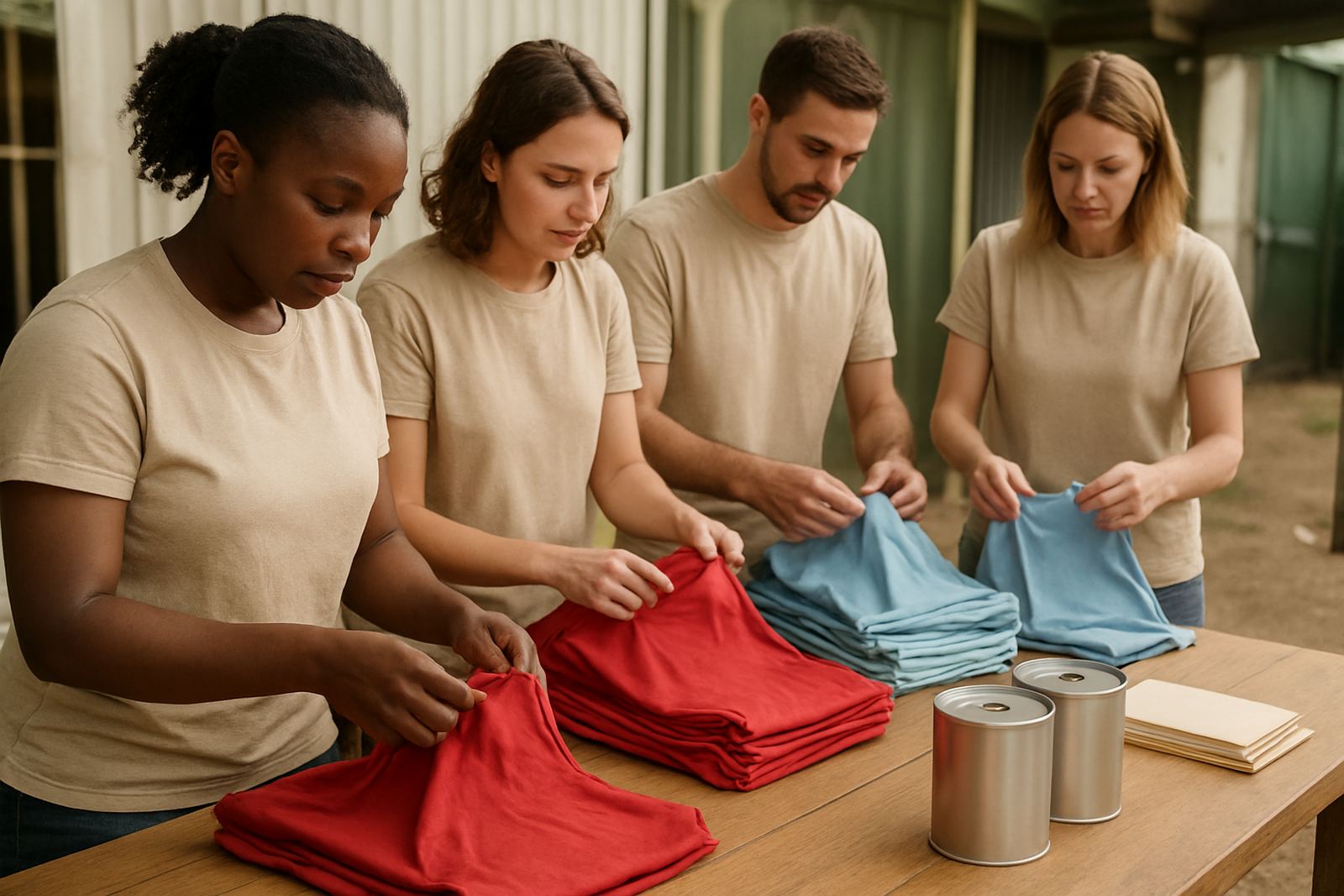
Participant pride is especially important for youth events, sports days and school fundraisers. Children and parents both notice whether the shirt looks presentable. Individual bagging helps keep sizes organised, and size sorting helps make collection smoother for teachers and organisers. If the shirts are going out to multiple towns such as Welkom, Bethlehem, Kroonstad or Parys, tidy packing also reduces mix-ups during courier delivery.
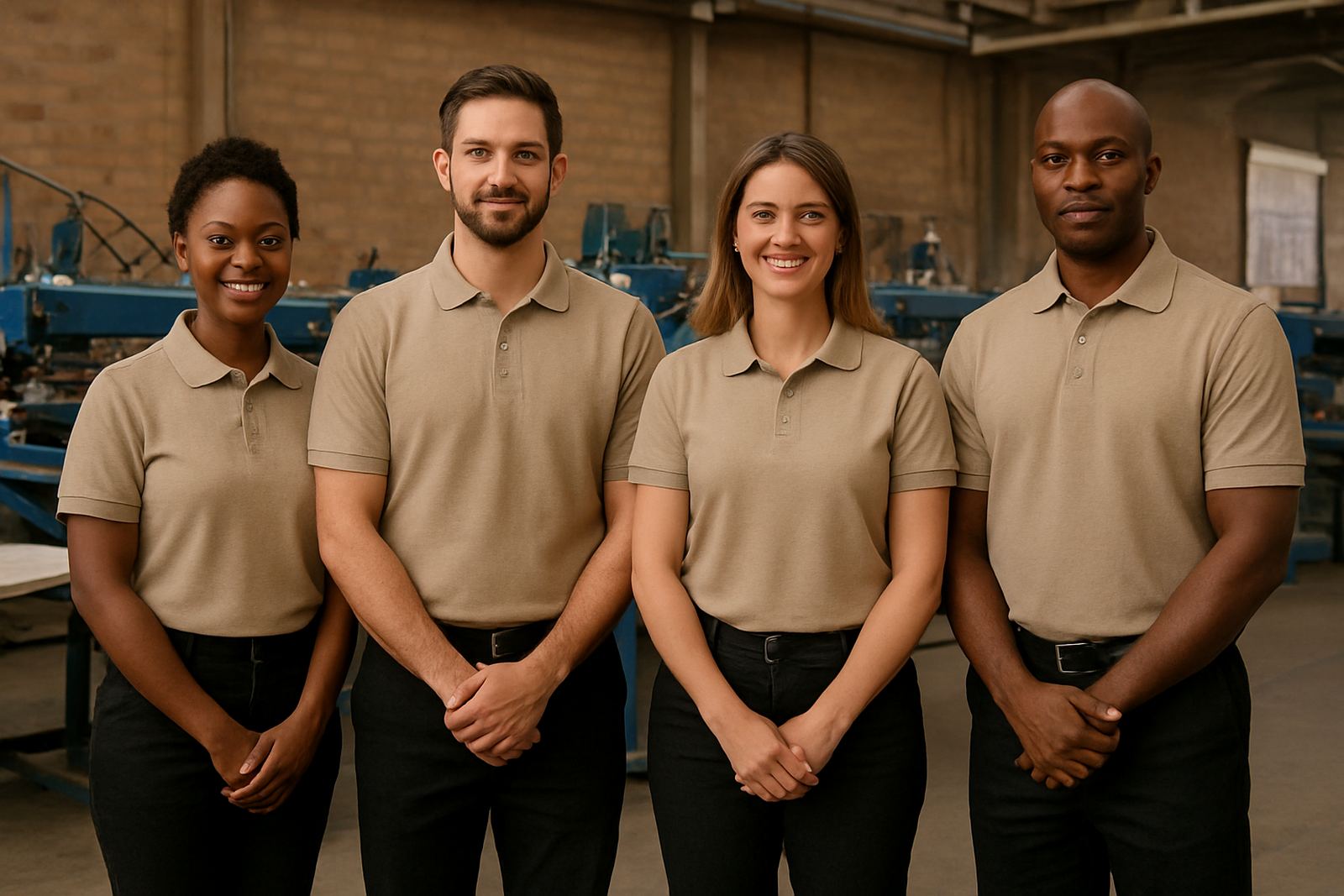
There is also a morale effect. When a volunteer team shows up in matching shirts, the event feels more coordinated. People respond better to a group that looks prepared, even before the first announcement is made.
A local example from Bloemfontein that kept things practical
One useful model is a school or club fundraiser based in Bloemfontein that needs shirts for a weekend event and for sale to parents. The organisers choose a single design, keep the colours to two inks and order a sensible range of sizes for children and adults. The school then uses the shirts in two ways. Participants wear them on the day and supporters buy extras as a show of backing.
Because the order is planned from the start, the team can avoid last minute chaos. Artwork gets approved early, sizes are checked once, and the shirts are bagged per person before collection. If the weather turns cold or load-shedding affects after-hours prep, the planning still holds because the main decisions were made well before the deadline. That kind of preparation saves time and protects the budget.
For campaigns across the Free State, courier delivery helps when the event is not in one place. Hamilton to Botshabelo, Thaba Nchu, Welkom or Bethlehem is manageable when the pack list is clear and the order is complete. Good fundraising is often about small details done properly.
What to check before you approve the final order
Before the print run starts, it helps to do one final check on the message, the sizes and the delivery timing. A fundraiser shirt should be easy to understand, fair on the budget and comfortable enough that people want to wear it again. If the campaign is selling shirts, ask whether the design would still make sense to someone who has never heard of the event. If it is for participants, ask whether the fit and finish will hold up through a full day of use.
Make sure the artwork spelling is correct, the size list is complete and the delivery details are agreed. If the shirts are heading to schools, sports clubs or event venues with strict handover times, build in a little extra room. That avoids rushed handovers and keeps the day calmer for everyone involved.
When fundraiser shirts are planned properly, they do more than support a single day. They keep the cause visible, they help sales move earlier and they give every wearer a reason to feel part of the effort.