
Why the same uniform builds trust fast
People form an impression in seconds. If one branch wears faded navy shirts, another wears a lighter shade, and a third has shirts with different logo sizes, the business starts to look patchy. That can affect how clients judge service quality, even before a conversation starts.
Consistency shows that a company pays attention to detail. It also helps customers identify the right person quickly, which matters in busy places like schools, warehouses, retail counters and event grounds. In Bloemfontein and surrounding areas, where many businesses run across more than one site, a clear and uniform look can keep the whole team aligned.
It is not only about looking neat. The right garment, printed properly, supports a reliable image for daily use, site visits and client meetings. When everyone wears the same colour, the same placement and the same print standard, the brand feels established and organised.
Start with one garment spec and stick to it
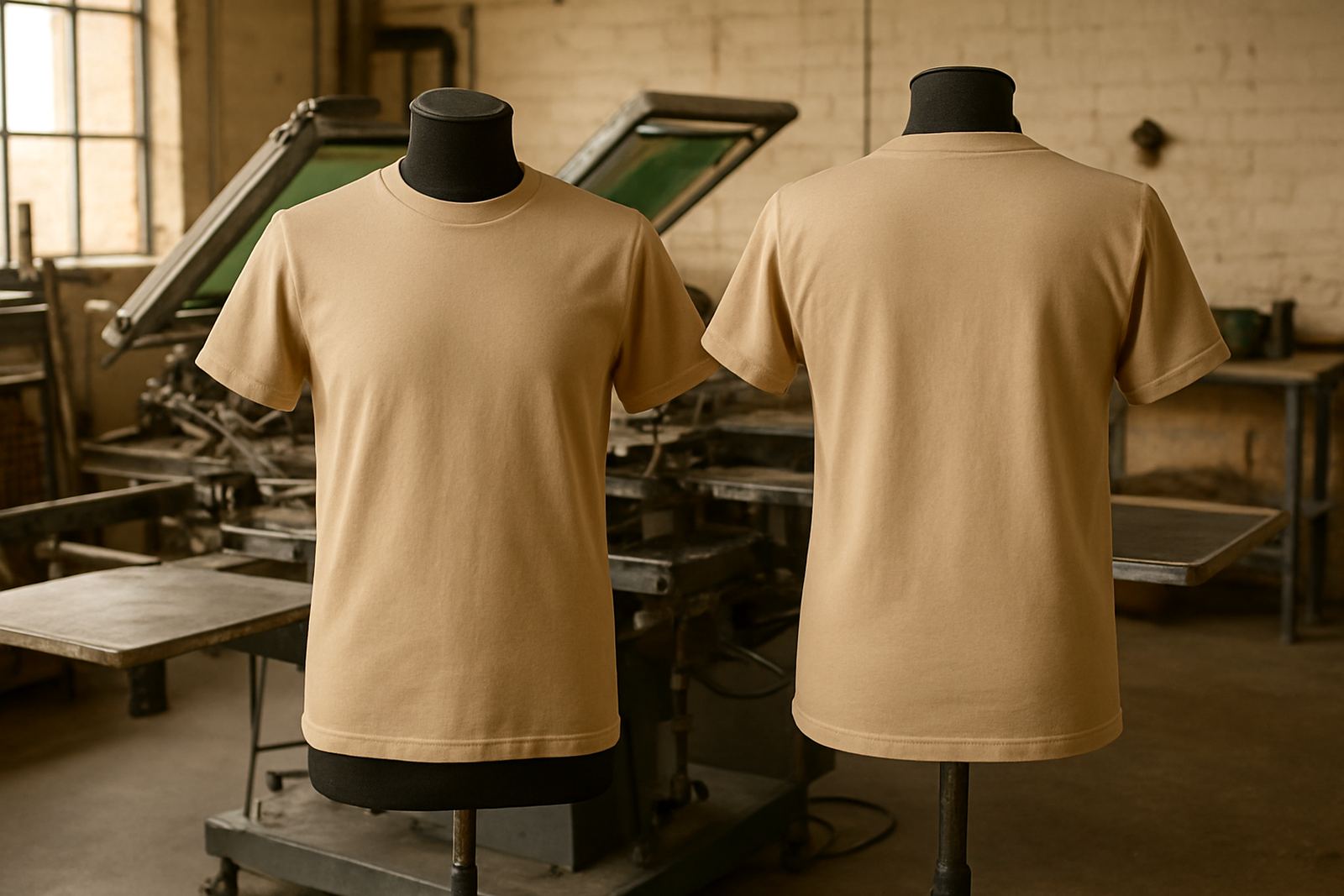
Uniform consistency begins with a clear specification. Decide on the shirt or top style, fabric weight, colour code, print position and number of logos before the first order goes to production. If these details change from one order to the next, the result will never look fully matched.
We often advise clients to keep a simple record for each uniform type. That record should cover the garment size range, preferred print colours, placement on front and back, and any special notes for different departments. For example, reception staff may need a cleaner, more formal look, while field teams may need durable items that cope with washing and daily wear.
- Choose one approved garment colour and keep it in stock where possible.
- Use the same logo size and placement on every repeat order.
- Confirm size ranges before production starts, especially for large teams.
- Keep a sample or reference garment for future reorders.
That kind of control makes repeat ordering easier and reduces mistakes. It also helps when you are supplying multiple sites across the Free State, where delivery timing and stock planning matter.
Printing quality affects the whole team image
Even a strong design can look weak if the print is too light, too heavy or placed unevenly. A print that cracks after a few washes or fades unevenly can make the whole team look underprepared. That is why colour matching and proper setup are part of the uniform process, not extras.
Good screen printing should keep colour strength consistent across the full order. The artwork must be prepared carefully, with clear sizing and correct spacing, so the print sits properly on each garment. If one batch is printed with a slightly different ink mix or different placement, it becomes visible straight away when staff stand side by side.
In South African conditions, this matters even more. Heat, dust, regular washing and coastal humidity in some delivery areas can all affect garment life. A uniform needs to hold up through real use, not just look good on day one. That is why quality control at each stage is important, from artwork setup to final inspection.
How uniform consistency helps operations run better
When a team wears matching garments, supervisors can identify staff quickly and clients know who to approach. This is useful in busy environments such as school grounds, sports days, municipal projects, retail promotions and warehouse dispatch areas. It cuts down on confusion and makes the team look coordinated.
It also helps with practical management. If the same shirt type is used across the team, replacement ordering becomes easier. You are not trying to match three different shades or remember which branch ordered which version last time. That saves time and avoids costly reprints.
- Staff are easier to identify at events and on-site.
- Branch teams keep one shared identity, even when they work in different towns.
- Replacement orders are simpler because the garment spec stays the same.
- Managers can plan stock for new starters and seasonal peaks more easily.
For businesses working in places like Bloemfontein, Botshabelo, Thaba Nchu, Welkom, Bethlehem, Kroonstad and Parys, a consistent uniform system also supports couriered supply. Once the standard is set, repeat orders can be handled with less back-and-forth.
Sizing, sorting and bagging matter more than people think
Uniform consistency is not only about the print. If shirts arrive mixed up, poorly sorted or without clear sizing, staff may end up wearing the wrong fit, which can make even a good uniform look untidy. A clean supply process matters, especially for bulk orders.
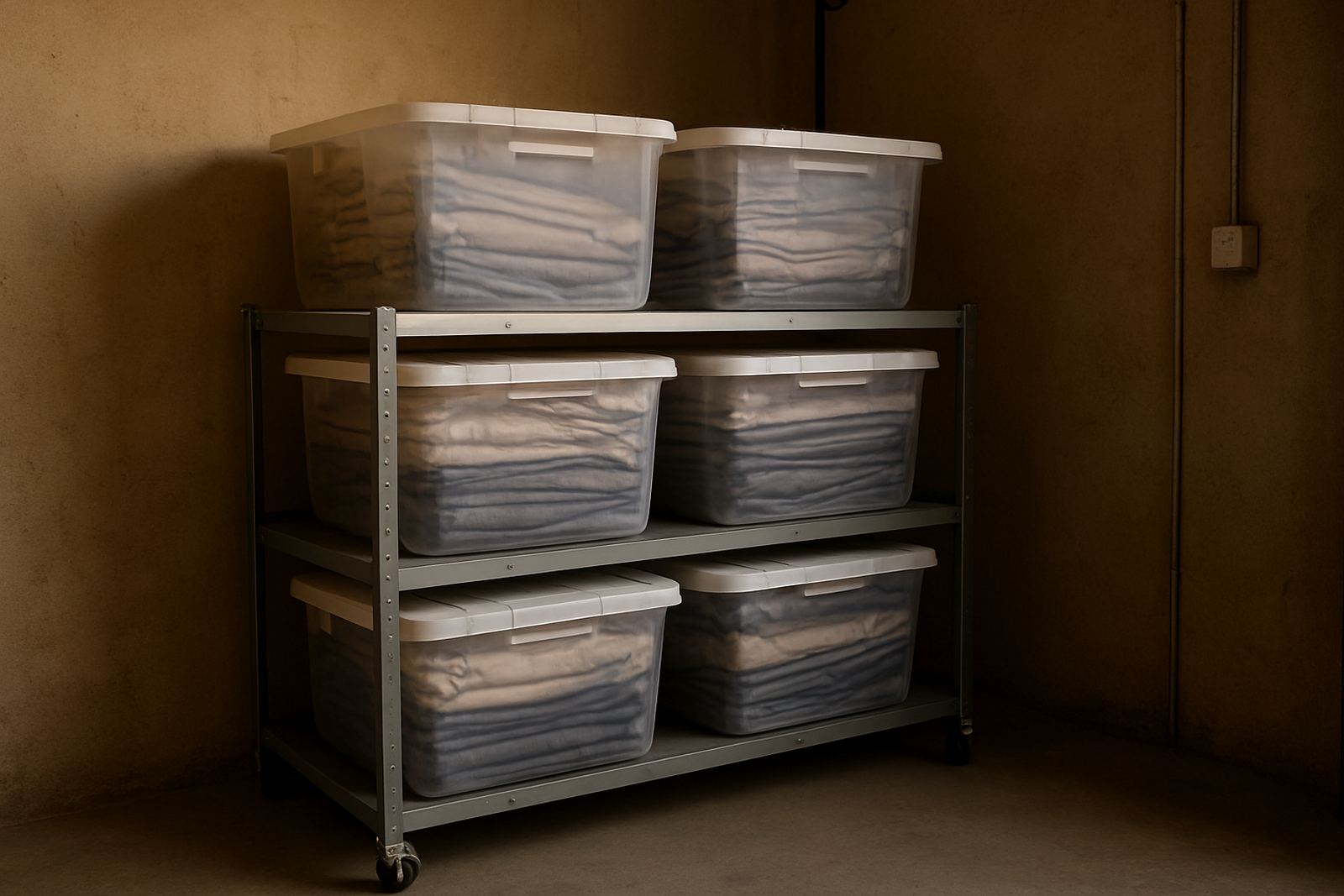
We recommend checking sizes carefully before production, particularly for larger teams with different body shapes. Size sorting after printing makes issuing garments much easier, and individual bagging helps keep orders organised when they reach the client. That is especially useful for schools, events and companies with multiple departments.
When a shipment is properly packed and labelled, the rollout goes more smoothly. Managers can hand out the right sizes faster, and staff can start wearing the new uniform without delays. It is one of those small details that saves a lot of time later.
- Confirm size ratios before approving the order.
- Request sorting by size for easier issue to staff.
- Use individual bagging for named staff packs or department packs.
- Keep spare pieces aside for new appointments and replacements.
A Bloemfontein example that shows the difference
A local business with teams moving between Hamilton, central Bloemfontein and outlying service points needed a clearer uniform system. Different branches were using similar shirts, but the shades had drifted over time and the logo position varied from batch to batch. Clients could not always tell who belonged to which team.
Once the business standardised its shirt colour, print placement and size issue process, the whole group looked more settled. Staff at the front counter matched the delivery team, and the brand carried through across all locations. The change was not complicated, but it made the business look more dependable right away.
This is the kind of improvement that works for schools, sports clubs, events and commercial teams too. A consistent uniform system does not just look better. It supports daily operations, makes staff easier to identify, and gives customers a clearer sense of who they are dealing with.
For businesses that need screen printing, uniform printing or couriered orders across the Free State and nationwide, the key is simple: decide on the standard and keep to it. That is how a team stays recognisable from one branch to the next, and how a uniform keeps doing its job long after the first delivery.
Keep your uniform standard simple and repeatable
The best uniform system is the one your team can repeat without confusion. Keep the garment choice steady, keep the print details recorded, and order from the same approved standard each time. That is the simplest way to protect your image and avoid unnecessary rework.
At Screen-Printers Service in Hamilton, Bloemfontein, we work with businesses, schools and event teams that need practical clothing solutions that stay consistent across orders. From artwork setup to colour matching, size sorting and nationwide delivery, the process works best when the standard stays clear.