
Start With A Proper Sizing Plan Before You Order
The biggest sizing mistakes happen before the first shirt is printed. A good process starts with a clear list of who needs what, what items they will wear, and whether the garments are fitted or standard cut. Staff in a warehouse will often need a different fit from staff in a front-of-house role, and the same applies to polos, T-shirts, jackets and overalls.
Ask each department to confirm names, job roles and preferred sizes in writing. Do not rely on memory or on one person estimating for the whole team. In our experience, a simple spreadsheet works well, especially when there are branches in Bloemfontein, Botshabelo, Thaba Nchu or Welkom and the order is being handled in stages.
Measure The Garment, Not Just The Body
Body measurements help, but garment measurements are often more useful for uniform orders. A medium in one cut can feel tighter than a medium in another, so it helps to compare chest width, body length and sleeve length against an approved sample. This is especially important for staff who move between production areas and client-facing areas, where comfort and appearance both matter.
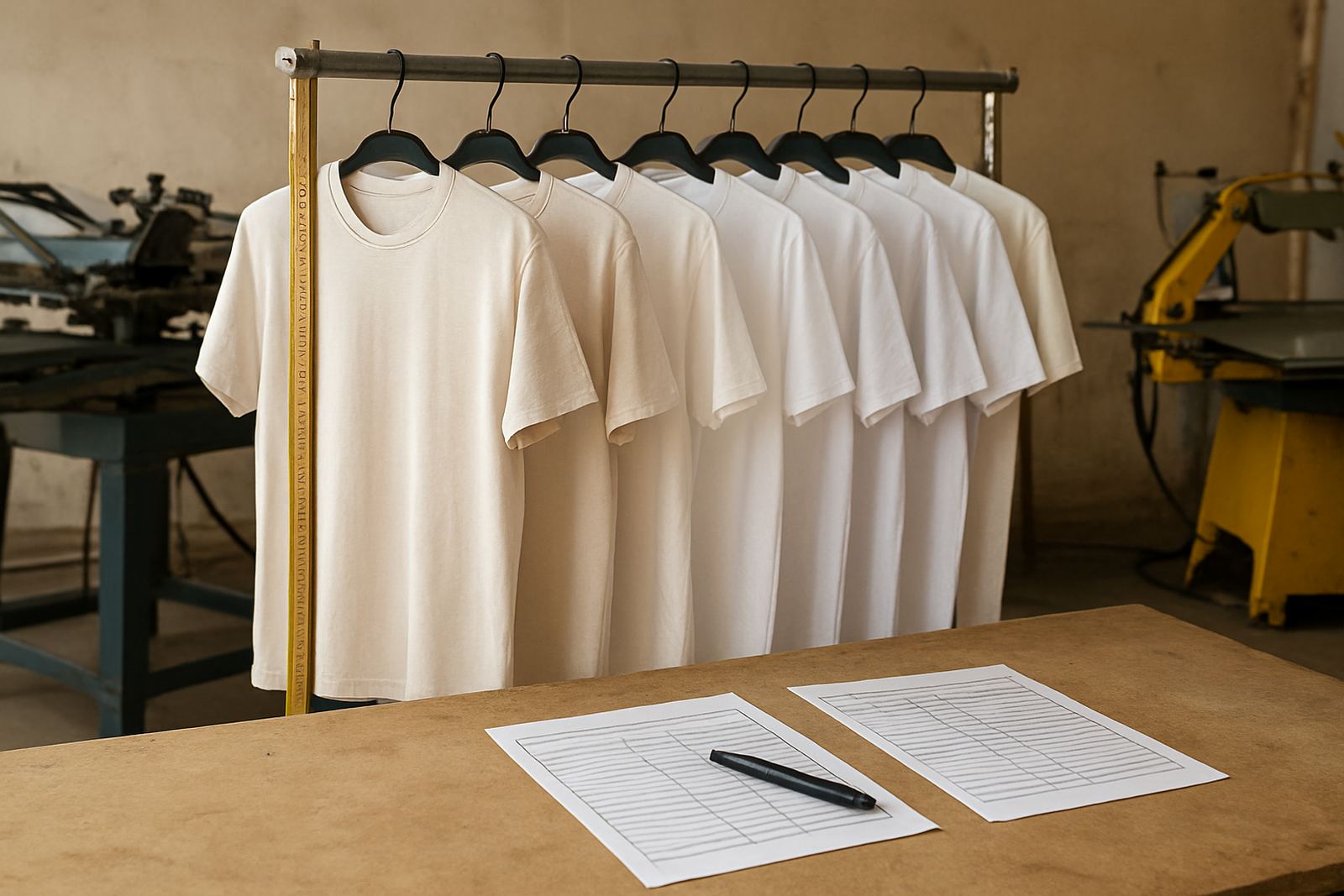
If you are collecting sizes from a large team, use a sample set of shirts or tops for people to try on. Lay them out on a clean table and label them clearly. Make sure the sample is the same fabric weight and cut as the final order, otherwise the feedback will not be reliable.
- Check chest, waist and hip area on the garment, not only the label size.
- Confirm whether staff want a relaxed fit or a closer fit.
- Ask about layering if jackets or fleece tops will be worn over other clothing.
- Keep one sample in each key size so late confirmations are easy to handle.
Group Staff Into Size Runs To Reduce Waste
Once you have the information, sort it into size runs. This makes production and packing easier, and it also helps with budgeting. If you know you need 12 small, 18 medium and 9 large, it is far simpler to plan printing, folding and bagging than if the order is scattered across many uncertain sizes.
A good size run also shows patterns. If most of your team sits between medium and extra large, you can order a wider split and avoid leftovers. For schools, sports clubs and event crews, this step prevents the common problem where one size is over-ordered and another runs short by the time collection day arrives.
Allow For Different Fits Across Men And Women
Not every staff member is happy in a unisex shirt. Some prefer a wider cut, while others want something more shaped. When possible, ask whether your order should include men’s and ladies’ options, or whether one standard fit is acceptable for the whole team. This makes a big difference in comfort, especially for long shifts and warmer inland days.
For outdoor teams in places like Kroonstad or Parys, breathable fabric and room to move matter as much as the size itself. For office support staff in Bloemfontein, a neater fit may be better. The aim is to match the garment to the work, not just the label on the bag.
- Use separate size forms for men’s and ladies’ cuts if the garments differ.
- Note any staff members who need longer bodies or wider shoulders.
- Confirm whether the same size is needed across all garment styles.
Use A Simple Recording Sheet And One Clear Deadline
Most sizing delays come from poor admin. A clear sheet with name, department, garment type, size and quantity is enough for most uniform orders. Keep the deadline firm, and make one person responsible for chasing missing answers. If the order is urgent and load-shedding is affecting office routines, it is even more important to keep one central record instead of chasing messages from different phones.
When the form is complete, review it once before the order is sent through. Look for duplicate names, missing sizes and people who may have listed different sizes for different items. A quick double-check can save a full reprint later on. It is a small step, but it avoids a lot of back and forth.
A Bloemfontein Example That Keeps Orders On Track
One local example is a mid-sized business in Hamilton that needed uniforms for a growing team across reception, delivery and workshop staff. The manager collected sizes using a sample set on one morning, then grouped the results by department. That meant the smaller front-of-house shirts, the larger work shirts and the few special sizes were all picked up at once, instead of being mixed together.
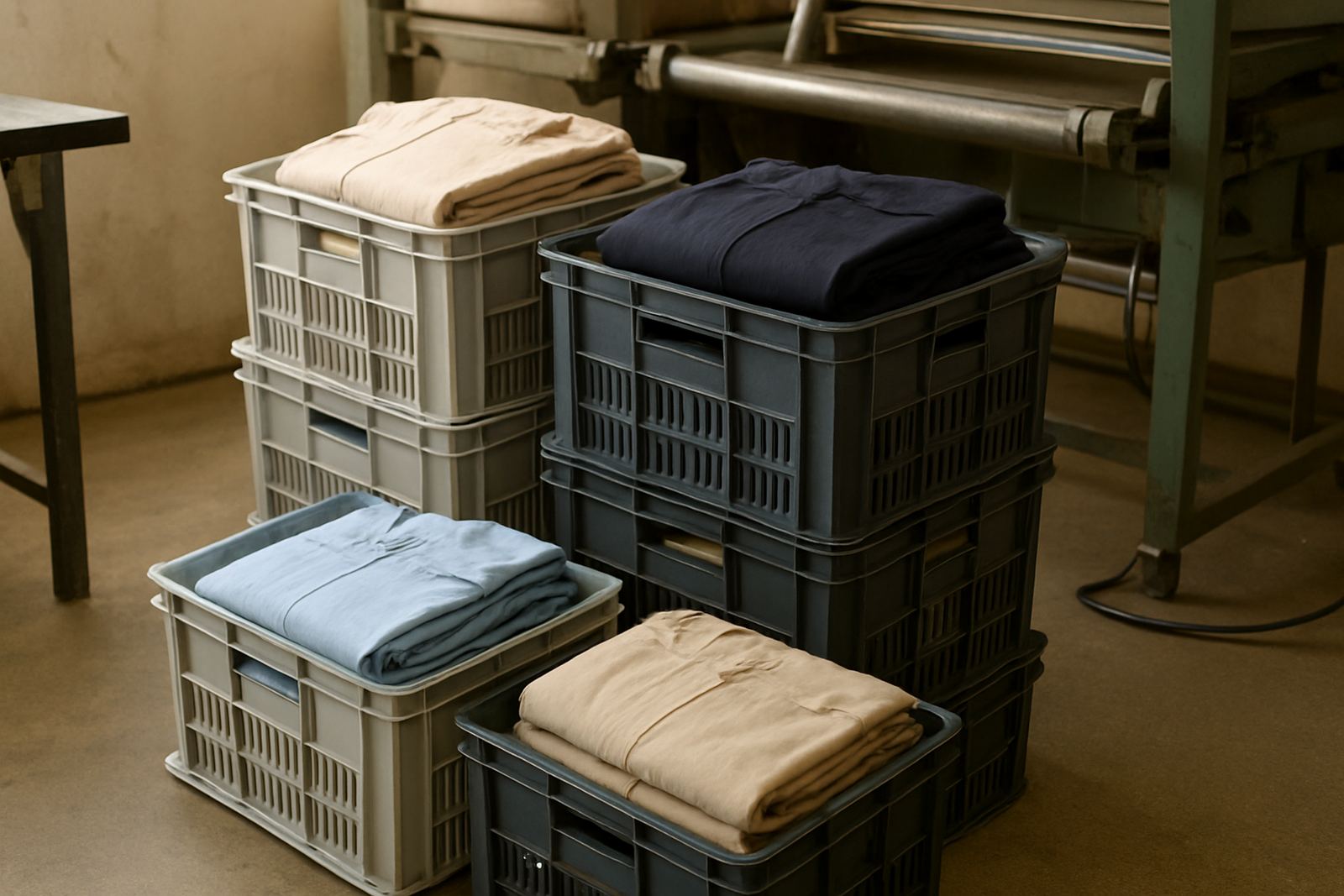
Because the sizes were confirmed early, the printed garments could be sorted, bagged individually and delivered in a clean run. The staff received the correct fit the first time, which made handover easier and reduced the number of follow-up queries. Simple sizing work done upfront can make the whole order feel more organised.
- Collect sizes by department, not as one mixed list.
- Confirm sample fit before you finalise the order.
- Keep a record for repeat orders later in the year.