
Start With a Clean Handover From Production
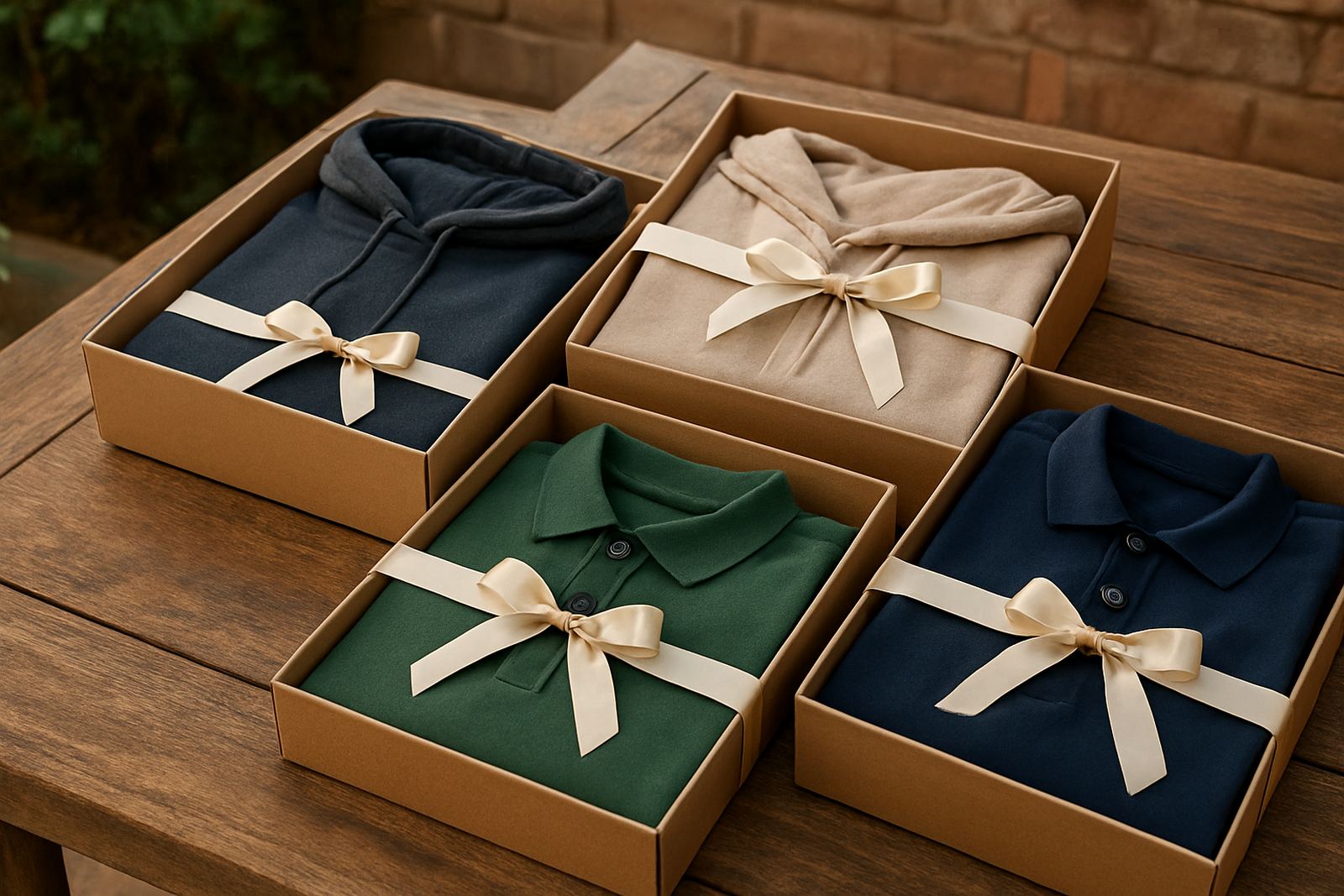
The best storage starts before the boxes are even sealed. Every carton should be checked for correct sizes, correct colours and clear labelling so you are not opening packs later and trying to sort 200 T-shirts on a crowded table. For schools, stokvels, church groups and corporate activations, this first check saves a lot of time and avoids awkward mistakes on the day.
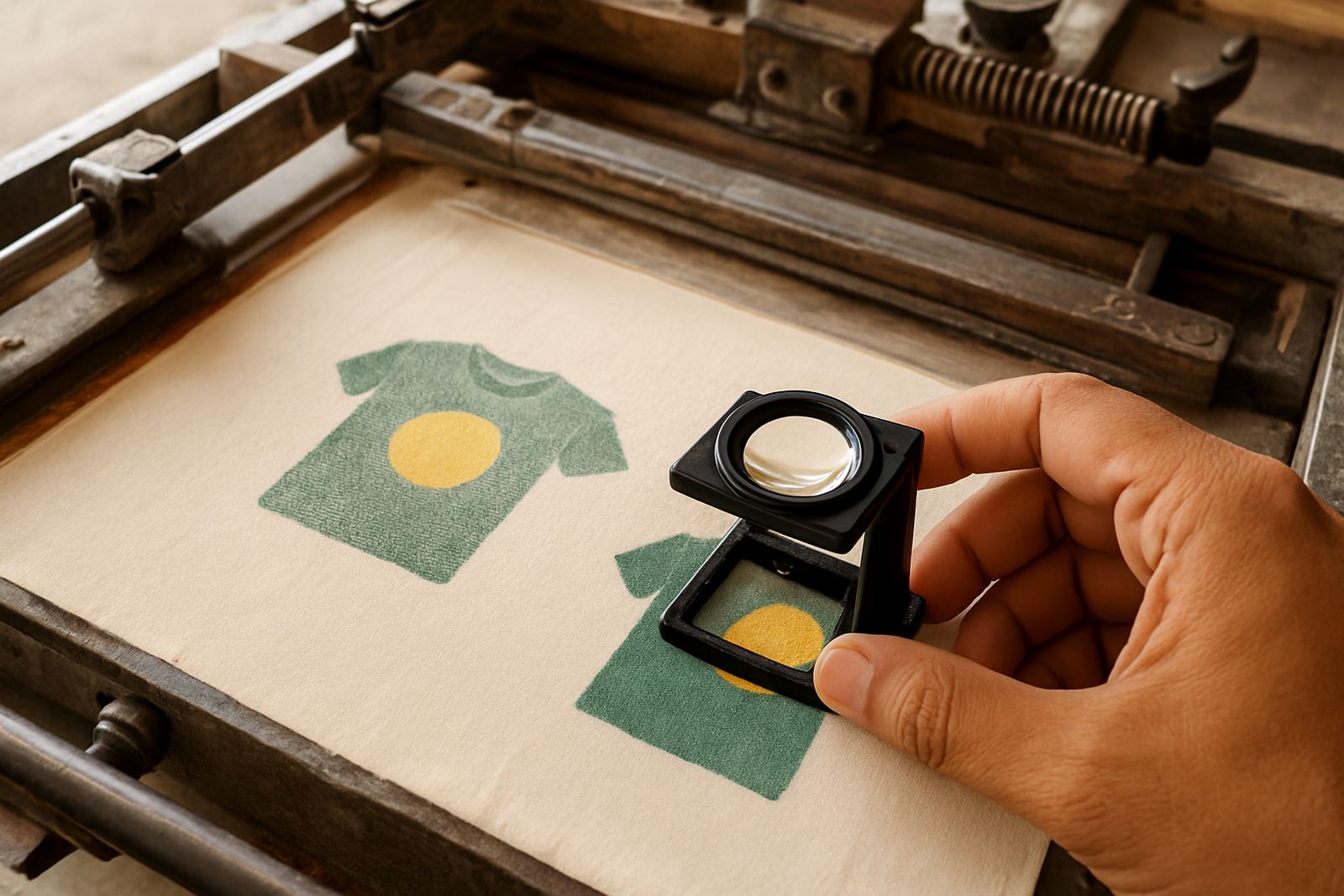
If the garments have just been printed, let them cool and cure properly before stacking them too tightly. Fresh ink can pick up marks if it is pressed against itself too soon, especially in warmer weather or in a courier truck where boxes sit for hours. In Bloemfontein the air can be dry, but dust is still a problem in stores and vehicle boots, so keep apparel in closed cartons or sealed bags until you are ready to sort.
- Check sizes against the order sheet before storage.
- Count each carton and write the quantity on the outside.
- Keep wet, dusty or damaged items separate from the main stock.
- Allow printed garments to cool before final packing.
Use Size Sorting That Anyone Can Understand
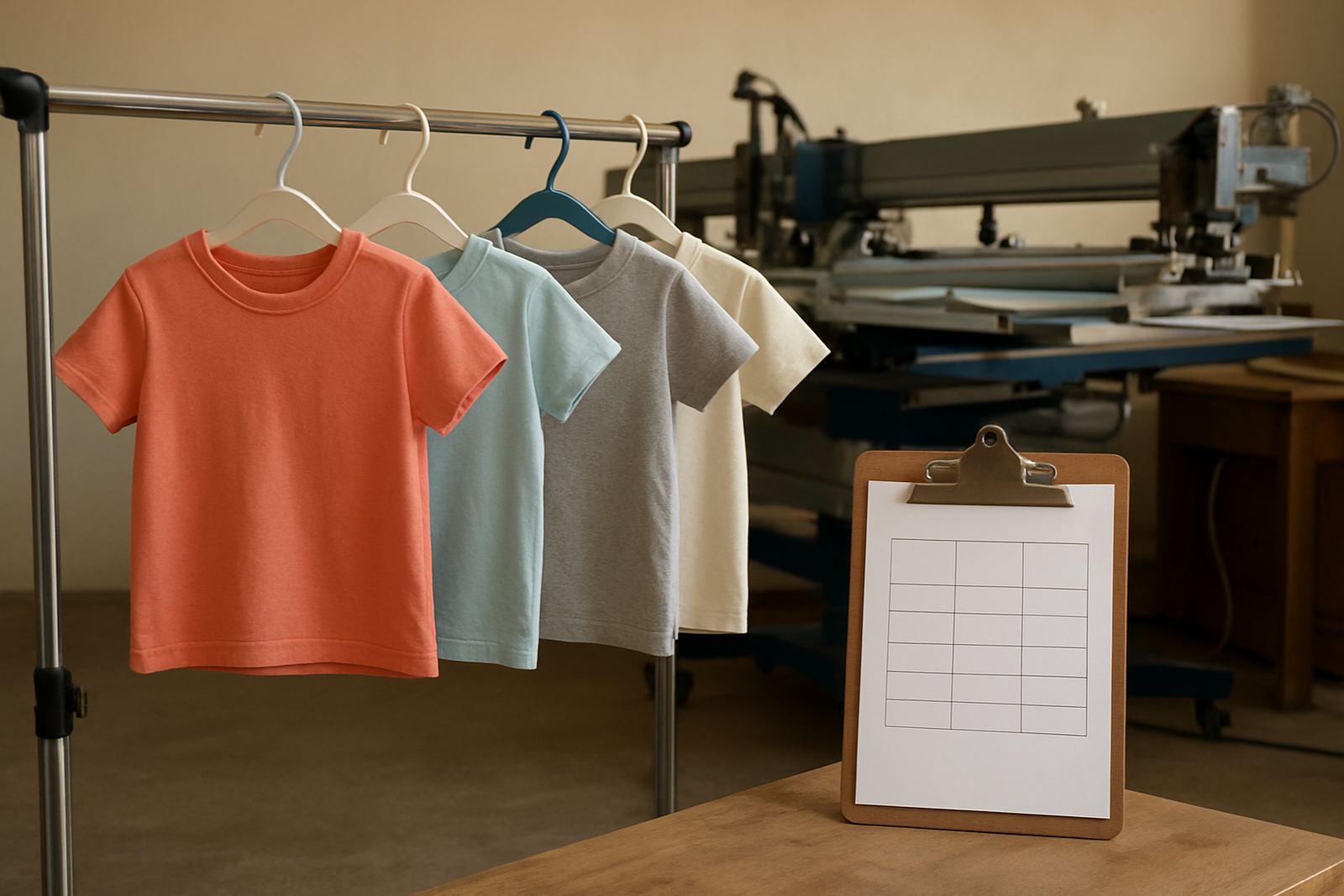
Handout day moves faster when size sorting is obvious. Do not leave everything in one mixed pile and expect volunteers to guess which shirt is a medium or 2XL. Use clear labels, colour coded boxes or separate bags for each size so the people at the table can work quickly even if they are not familiar with the order. This is especially useful for events with different groups, such as learners, coaches, marshals and admin staff.
A simple method is to pack each size into its own carton and place the biggest quantities on the bottom shelf. If you are dealing with a large run, divide the order by department or team first, then by size. That way a supervisor can hand out stock in a controlled way without opening every carton at once. It also helps when a last minute replacement is needed because the right size can be found fast.
- Label each pack with size, quantity and group name.
- Keep children’s sizes separate from adult sizes.
- Store a few spare garments aside for swaps and mistakes.
- Use a simple inventory sheet at the top of each stack.
Protect Printed Apparel From Dust, Moisture and Crushing
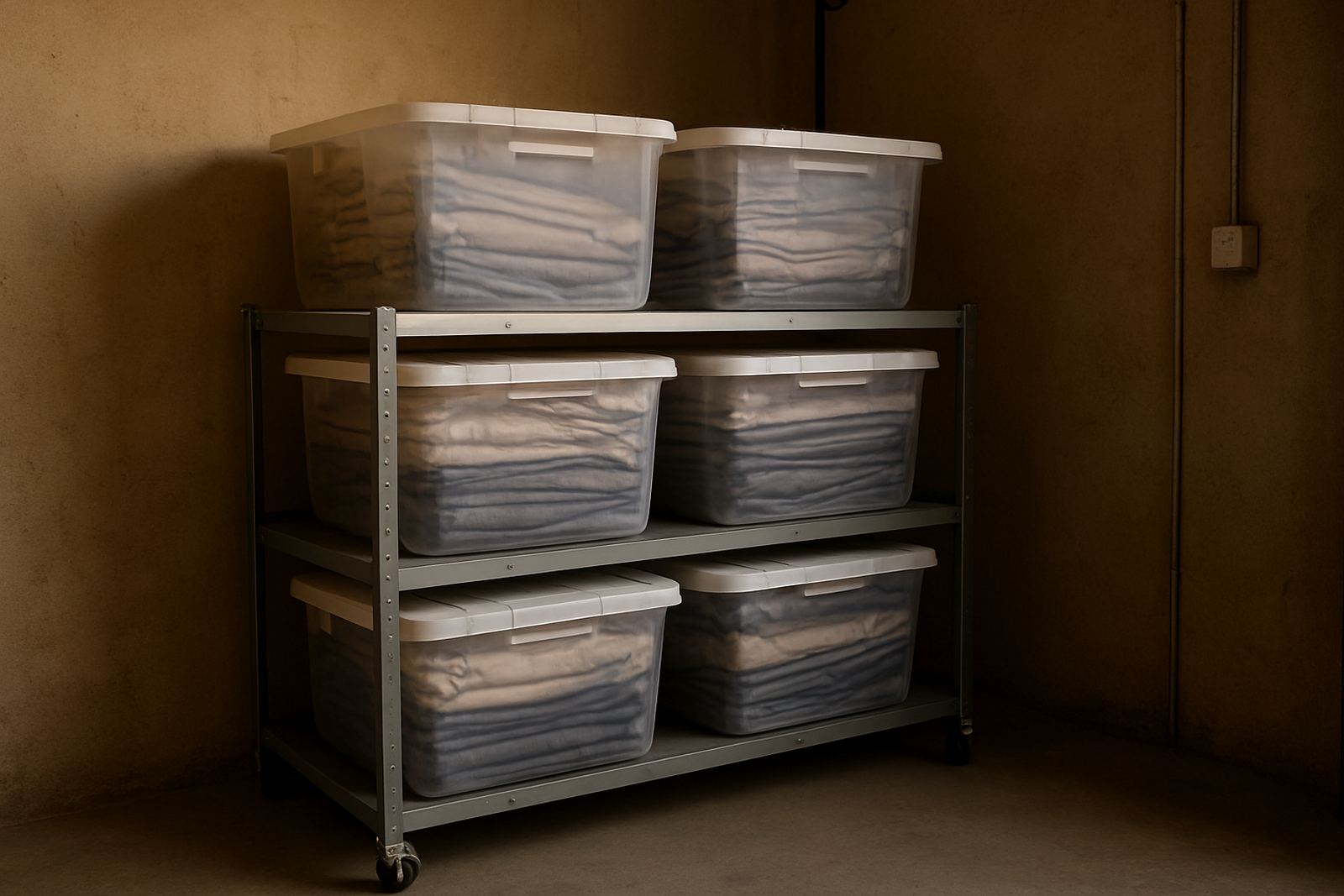
Printed event apparel needs more care than plain stock because the print surface can pick up damage from pressure, moisture and rough handling. In coastal areas such as Durban or Port Elizabeth, humidity can affect storage if cartons are left on concrete floors or near damp walls. Even inland, a leaking roof or a cold store room can spoil a neat pack very quickly. Keep cartons on pallets or shelving, never directly on the floor.
Do not overload boxes. If a carton is stuffed too full the garments at the bottom crease badly and the prints can flatten or stick. A better approach is to use moderate stacks with tissue or plastic sleeves between sensitive items when needed. For bulk event orders, individual bagging is useful because it keeps each garment clean and makes the final issue much quicker. It is also handy when apparel has to travel by courier to towns such as Bethlehem, Kroonstad or Parys.
- Store cartons off the floor on pallets or shelves.
- Keep garments away from direct sun, damp walls and open windows.
- Do not compress printed shirts into overfilled boxes.
- Use individual bags for high-value or pre-packed items.
Plan for Load-Shedding and Delays in the Chain
Event apparel often has to sit in storage longer than planned because of load-shedding, traffic delays or changes to the event schedule. That means your storage system must work even if a delivery arrives after hours or the venue changes at short notice. If you have refrigeration for other stock, do not store garments next to it where condensation can build up. A clean dry storeroom is better than an overworked office corner.
Keep a master list that shows what has been sorted, what still needs counting and what is already packed for issue. When the lights go off, it becomes much harder to do a quick visual check, so good written records matter. If you are storing apparel for multiple branches, schools or sports teams across Bloemfontein, Hamilton, Botshabelo and Thaba Nchu, separate each order physically as well as on paper. That way one late collection does not disturb the rest of the stock.
- Keep a written stock list that can be checked without power.
- Separate each event or client into its own section.
- Mark urgent orders clearly so they are easy to find.
- Leave a buffer of spare time before the handout date.
Set Up a Simple Handout Point Before the Event
Good storage is not only about where the garments sit, it is also about how they will be issued. If you wait until the morning of the event to create a handout point, people start opening boxes, moving stock around and mixing sizes. It is much easier to set up one table or one room with the cartons in order, the list on top and one person responsible for issuing items. For a school fun day in Bloemfontein or a company activation in Welkom, this kind of control keeps the line moving.
Place the sizes in the order you plan to hand them out, usually from smallest to largest or by department. Keep pens, tape and a marker close by so any changes can be recorded immediately. If a member of staff has to collect stock for a team that is not present, ask them to sign for it. Small habits like this stop confusion later when there is a missing shirt or a wrong size in the pile.
Use Local Conditions To Decide How Long To Store It
In the Free State, weather and distance both matter. A batch printed in Bloemfontein may be held for days before it reaches a school in Kroonstad or a community event in Bethlehem. If the garments are being stored longer than a week, inspect them once more before handover for dust, box damage or mixed sizes. If the order has travelled by courier, check the outer packaging first because damaged corners often mean the contents have shifted inside.
For shorter storage periods, a clean closed room is usually enough. For longer periods, especially where there is dust from roads or building work nearby, use sealed cartons and keep them in a stable spot. Avoid frequent moving because repeated handling creates creases and can rub prints. A good storage plan is simple: label clearly, keep dry, keep separate and keep a list. That is usually enough to make handout day calm instead of chaotic.