
Start With The Garment Use, Not Just The Price
The best fabric depends on where the garment will be worn and how often it will be washed. A staff golf shirt for office wear in Bloemfontein has different needs to a PE top for a school in Thaba Nchu, or a promo shirt for a weekend event in Welkom. When clients send artwork through the enquiry form, we usually ask what the clothing will be used for, how many washes it will see, and whether the garment must feel cool, firm or soft.
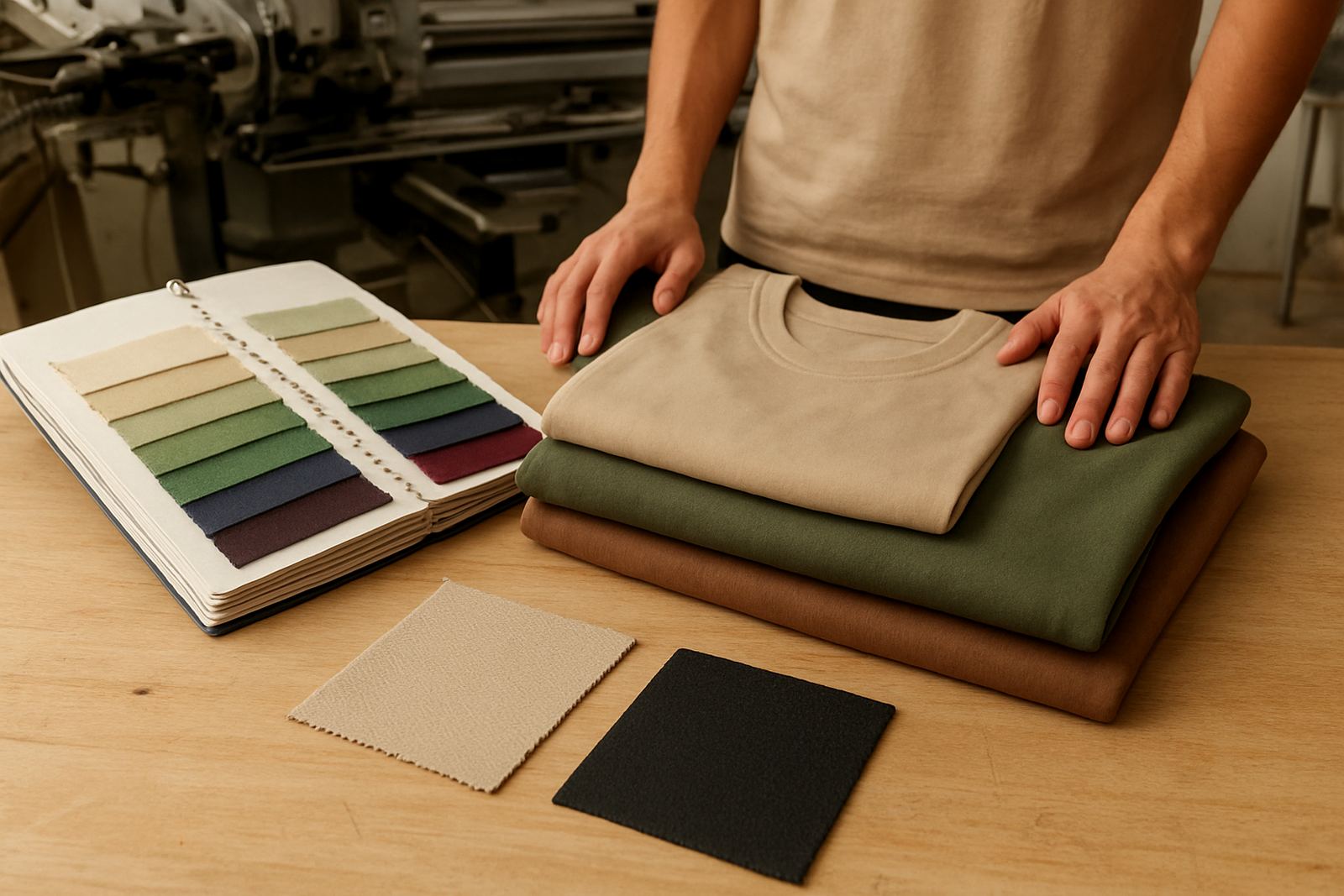
As a simple rule, cotton feels natural and comfortable, polyester handles wear and washing well, and poly cotton sits in the middle. For screen printing, the weave and finish matter too. A smooth knit usually holds fine detail better than a rough or very stretchy surface. If the garment is too thin, the print can show through or feel stiff after curing.
- For staff uniforms, choose a fabric that keeps its shape.
- For sport or outdoor use, look at moisture handling and drying time.
- For schools, ask about easy care and colourfastness.
- For events, balance cost, comfort and print visibility.
Cotton, Poly Cotton And Polyester Compared
Cotton is popular because it feels soft and breathable. It takes printing well on most standard jobs and suits T-shirts, casual staff wear and some school garments. It is a good choice where comfort matters more than hard-wearing performance, though pure cotton can shrink a bit if washed hot or tumble dried too often.
Poly cotton blends combine cotton comfort with polyester strength. These are common for uniforms because they wash well, hold their shape and usually dry quicker than pure cotton. They are practical for businesses in places like Botshabelo and Kroonstad where workers may wear the same shirt often. Polyester is the most durable of the three and is often used for sportswear and activewear. It dries fast and copes well with frequent washing, but it can feel warmer in hot weather and some prints need more careful ink selection.
- Cotton: best for comfort, everyday T-shirts and softer feel.
- Poly cotton: best all-round option for uniforms and mixed use.
- Polyester: best for sportswear, repeated washing and quick drying.
How Fabric Affects Print Quality And Colour
Different fabrics accept ink differently, so the same artwork can look slightly different from one garment to the next. Cotton usually gives a solid, clean print with good colour on light and medium shades. On darker garments, underbase handling becomes more important so the colours stay bright. On polyester, especially in sportswear, heat and fabric construction need careful control to avoid marks or colour shift during curing.
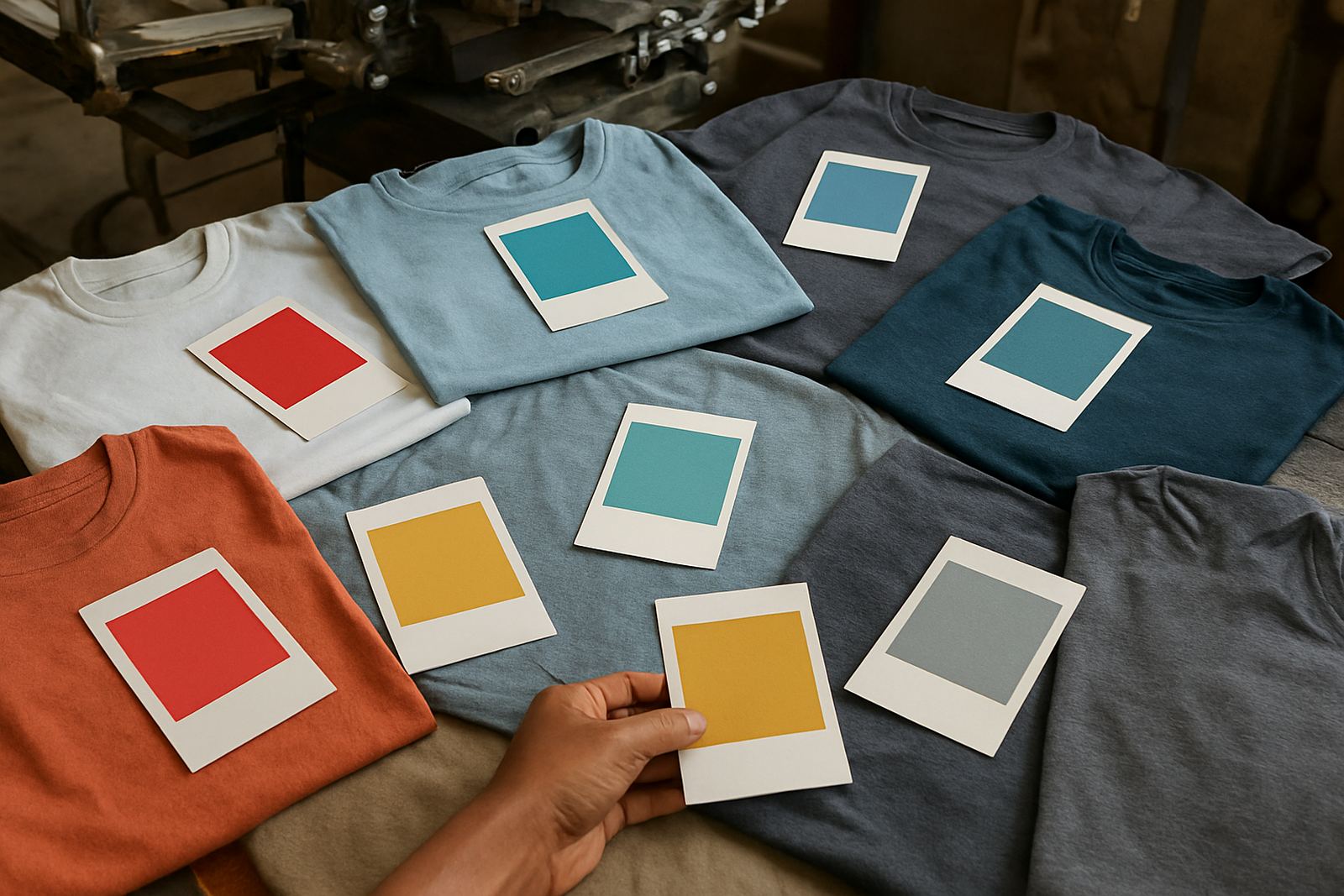
Very textured fabrics, open mesh, fleece and ribbed knits can all affect line sharpness. If your logo has small text or fine details, a smoother fabric is safer. Colour matching is also influenced by the base garment colour. A red shirt will make printed whites and pale colours stand out differently to a black or navy shirt, so we check the artwork against the actual garment choice before production starts. That extra step saves a lot of wasted stock, and stress.
When a customer in Bethlehem or Parys wants the same logo across mixed garment types, it is worth using one fabric family where possible. That keeps the print appearance more consistent across the whole order.
A Practical Fabric Checklist Before You Order
Before placing a bulk or small run order, it helps to think through a few basic questions. This is especially useful when ordering for events, school teams or new staff in different branches. A clear fabric choice can reduce returns, incorrect sizing and uneven wear after the first wash.
- Will the garment be washed weekly or only occasionally?
- Will it be worn indoors, outdoors or both?
- Does the team need a cool feel or a more structured look?
- Are the garments for adults, learners or mixed sizes?
- Do you need the same look across many colours or sizes?
- Will the print need to stay bright on a dark garment?
If you are unsure, send the garment type, colour and quantity together with the artwork. We can then advise on the safest print method and whether the fabric will suit the finish you want. For larger corporate or school orders, it is also wise to confirm sizing early, because fabric stretch and fit can vary between cuts even when the label size is the same.
Best Fabric Choices For Schools, Workwear And Events
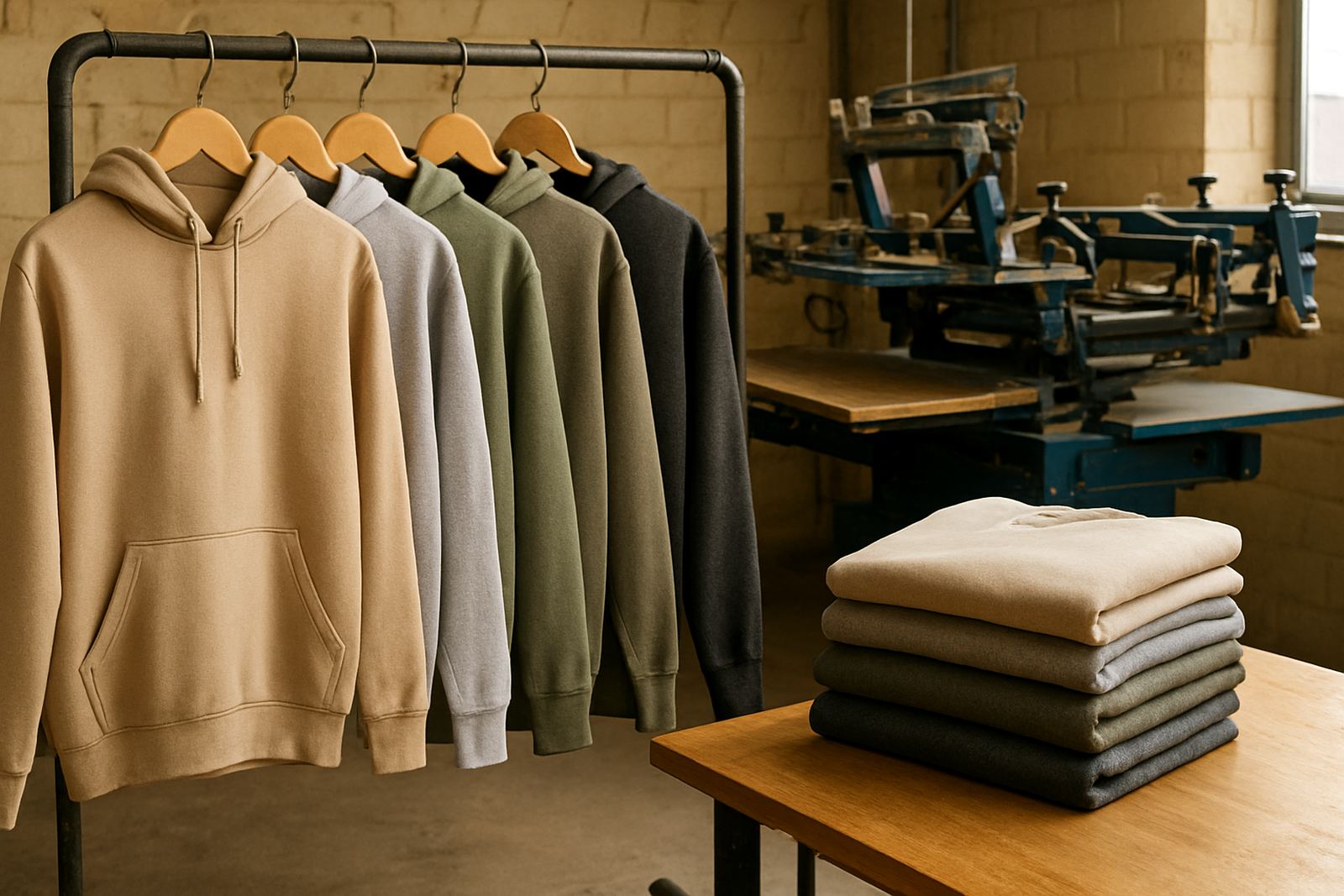
Schools usually need garments that can handle repeated washing, rougher use and easy identification by grade or team. Poly cotton is often a strong choice for these jobs because it stays neat and does not crease as quickly. For sports days, house shirts and PE tops, polyester or performance blends are often better because they dry faster and handle sweat more easily.
Businesses in and around Hamilton, Bloemfontein and surrounding towns often need shirts that look smart from Monday to Friday, and still feel comfortable after a long day. For reception, retail or delivery staff, poly cotton is often the best balance. For promo events, a budget cotton shirt may be enough if the print is simple and the event is short term. If the clothing must hold up to rain, dust and regular use, it is better to choose a stronger fabric from the start rather than replace cheap stock later.
Where municipal or workplace dress rules apply, especially for uniformed staff, it helps to keep fabric choices consistent across the whole team. That gives a neater appearance and makes sorting, packing and reordering much easier.
Washing, Care And Storage Tips That Protect Prints
Even the best printed garment can age badly if it is washed or stored poorly. The first few washes matter most. Cold or lukewarm water is usually safer than hot water, especially for cotton and printed polyester. Turn garments inside out before washing, avoid harsh bleach and do not iron directly over the printed area unless the care label allows it.
Coastal humidity, dusty storerooms and load-shedding can all affect stored stock, so keep completed orders dry and folded or hung neatly. If garments are bagged for issue to staff or learners, allow them to cool fully after printing before packing. That stops the print from marking itself or sticking in the polybag. A little care at the beginning can add months to the life of the shirt.
- Wash inside out where possible.
- Use mild detergent and avoid strong bleach.
- Do not over-dry garments on high heat.
- Store in a dry room away from direct sun.
- Keep printed items separate from rough workwear until issued.
How We Help You Choose The Right Fabric
Our team in Hamilton, Bloemfontein works with schools, businesses and event organisers across the Free State and nationwide courier routes. We look at the garment type, artwork size, expected wear and order quantity before production starts. Lerato van Wyk handles sales queries, Sibusiso Ndlovu oversees production, Annelise Botha checks artwork setup, Kagiso Molefe manages dispatch, Nokuthula Dlamini supports client care, and Willem Jacobs controls the final quality check.
If you are unsure about fabric, send through your enquiry with the garment details and what the shirts are for. We can advise on the most suitable option for custom screen printing, uniform printing, event shirts, sportswear or bulk orders. A good fabric choice makes printing easier and keeps the final garment looking better for longer, which is what most clients want in the end.