
Start With The First Wash, Not The Last
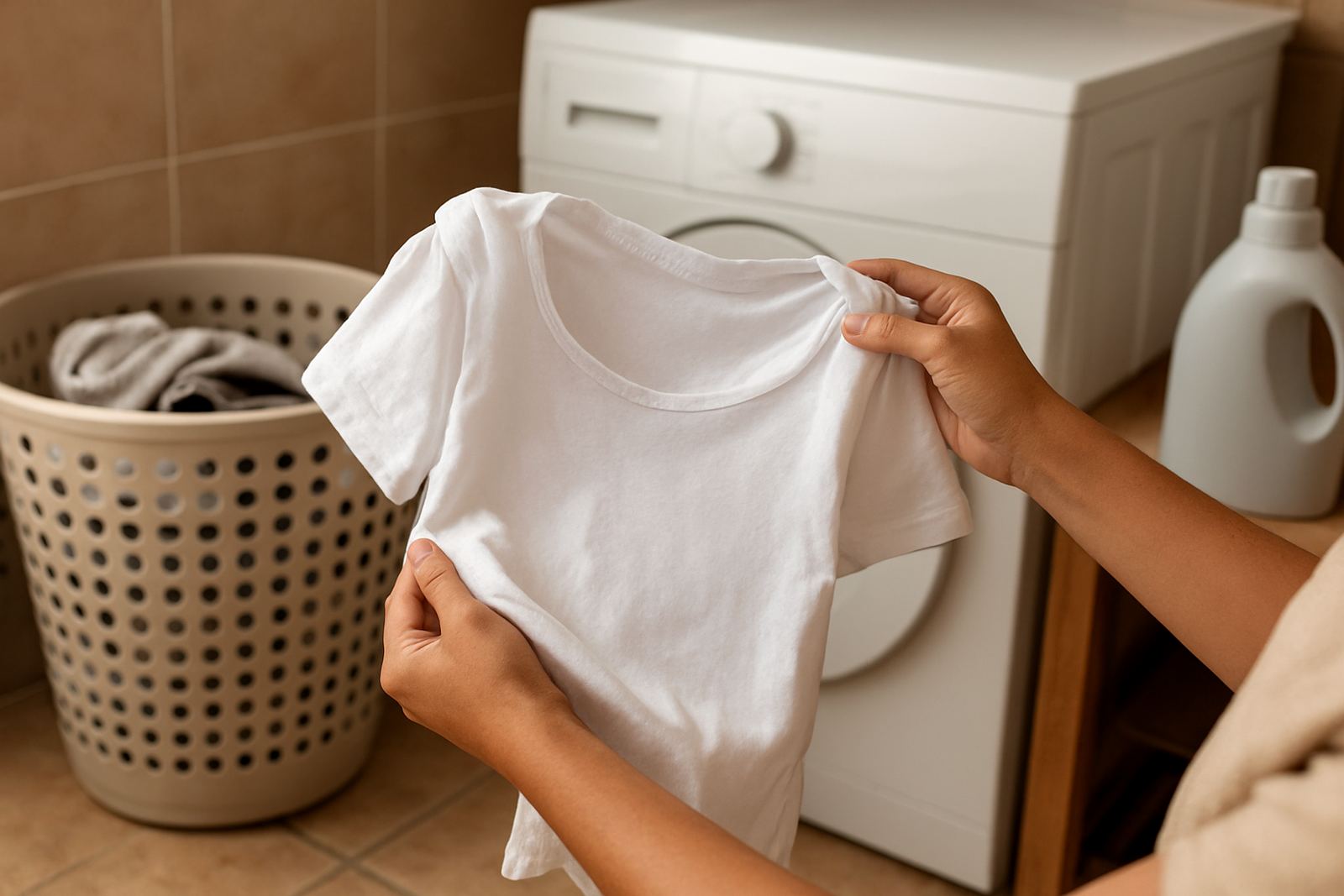
The first wash sets the tone for the life of a printed shirt. If the garment is washed too hot, rubbed too hard, or soaked for too long, the print and fabric both take a knock. For new shirts, turn them inside out before they go into the machine and wash them on a cold cycle with similar colours.
If the shirts were collected in Bloemfontein and sent out to a team in Welkom or Bethlehem, the same rule still applies. The journey does not change the care they need once they reach the laundry basket. Keep the first few washes gentle, especially on fresh prints, and avoid mixing them with heavy items like jeans, towels, or workwear with zips and hooks. That extra friction is where print wear starts.
- Wash first time separately if possible.
- Use cold or cool water.
- Turn shirts inside out.
- Keep them away from rough fabrics and hardware.
Choose Detergent And Water Temperature Carefully
Strong detergents and hot water can fade colour faster than most people expect. On dark shirts, this shows up as a dull look after only a few washes. On white shirts with printed areas, the fabric can yellow or pick up grey marks if the wash is too aggressive. Use a mild liquid detergent and avoid bleach unless the care label specifically allows it.
In the Free State, where water can be hard in some areas and laundry often dries quickly in the dry air, it is tempting to use extra detergent to make the load feel cleaner. That does not help. Too much soap leaves residue that sits on the print and can make the garment feel stiff. A normal dose is usually enough. If the shirts smell of chemicals after washing, they probably have too much detergent in them, or too little rinsing.
- Mild liquid detergent is safer than harsh powder for print care.
- Avoid bleach on printed garments.
- Use the correct detergent dose, not extra.
- Rinse well so residue does not build up.
Drying Methods That Protect The Print Bond
Heat is one of the quickest ways to weaken printed garments. High tumble drying can make the print crack or feel stiff, especially on large block designs and solid colours. If you have the space, line drying is the safest option. Hang shirts out of direct harsh sun when possible, because strong UV can fade both fabric and print over time.
For businesses and schools in places like Botshabelo or Thaba Nchu, where laundry is often done in bulk, drying needs a routine that works every week. Shake each shirt out after washing, smooth the seams, and hang it flat or on a line. Do not leave wet shirts balled up in a bucket or piled in the machine. That can cause odours, crease marks, and uneven drying. If a dryer must be used, choose low heat and remove the shirts while they are still slightly damp.
- Line drying is best for printed shirts.
- Avoid high heat tumble drying.
- Do not leave wet shirts in a heap.
- Keep prints out of harsh midday sun where possible.
Ironing Rules For Screen Printed Shirts
Ironing can be done, but the print must be protected. Never press a hot iron straight onto the printed area, because the heat can soften the ink surface and leave a shiny mark or stick to the plate. Turn the shirt inside out first, or place a clean cloth between the iron and the print. Use a medium setting rather than the highest setting.
If the shirt has a large chest logo, sleeve print, or back print, give that area extra care. The same applies to uniforms used in retail, events, or schools where shirts may be washed often and ironed for neatness. A quick press on the collar or sleeves is fine, but keep the heat away from the design itself. It is a small habit that saves the garment from early wear. Some people rush this step, and that is where damage starts.
- Never iron directly on the print.
- Use a cloth barrier or turn the shirt inside out.
- Stick to medium heat.
- Focus on non-printed areas where possible.
How To Handle Stains Without Damaging Prints
Stains happen at sports days, trade shows, site visits and school events. The trick is to treat the mark without attacking the print. Spot clean the stain with cool water and a small amount of mild soap, then rinse it gently. Avoid scrubbing hard with a brush, because that can lift fibres and wear the printed area if the stain is close to it.
For oily marks, dab rather than rub. For grass or dust from a field in Kroonstad or Parys, rinse early before the stain sets in. If a shirt has been exposed to paint, glue, or chemical spills, do not use harsh removers near the print because they can break down the ink bond. In those cases it is better to test on a hidden spot first or get advice before washing the whole garment.
- Act on stains early.
- Dab, do not scrub.
- Use cool water and mild soap.
- Avoid strong stain removers near printed areas.
Laundry Habits For Bulk Orders And Team Kit
When shirts are washed in bulk for a school, sports team, or business crew, sorting matters just as much as the wash cycle. Separate light and dark items, and group shirts by fabric weight. A light polyester sports shirt should not be washed the same way as a thicker cotton tee with a large print. Sorting helps prevent snagging, dye transfer and uneven drying.
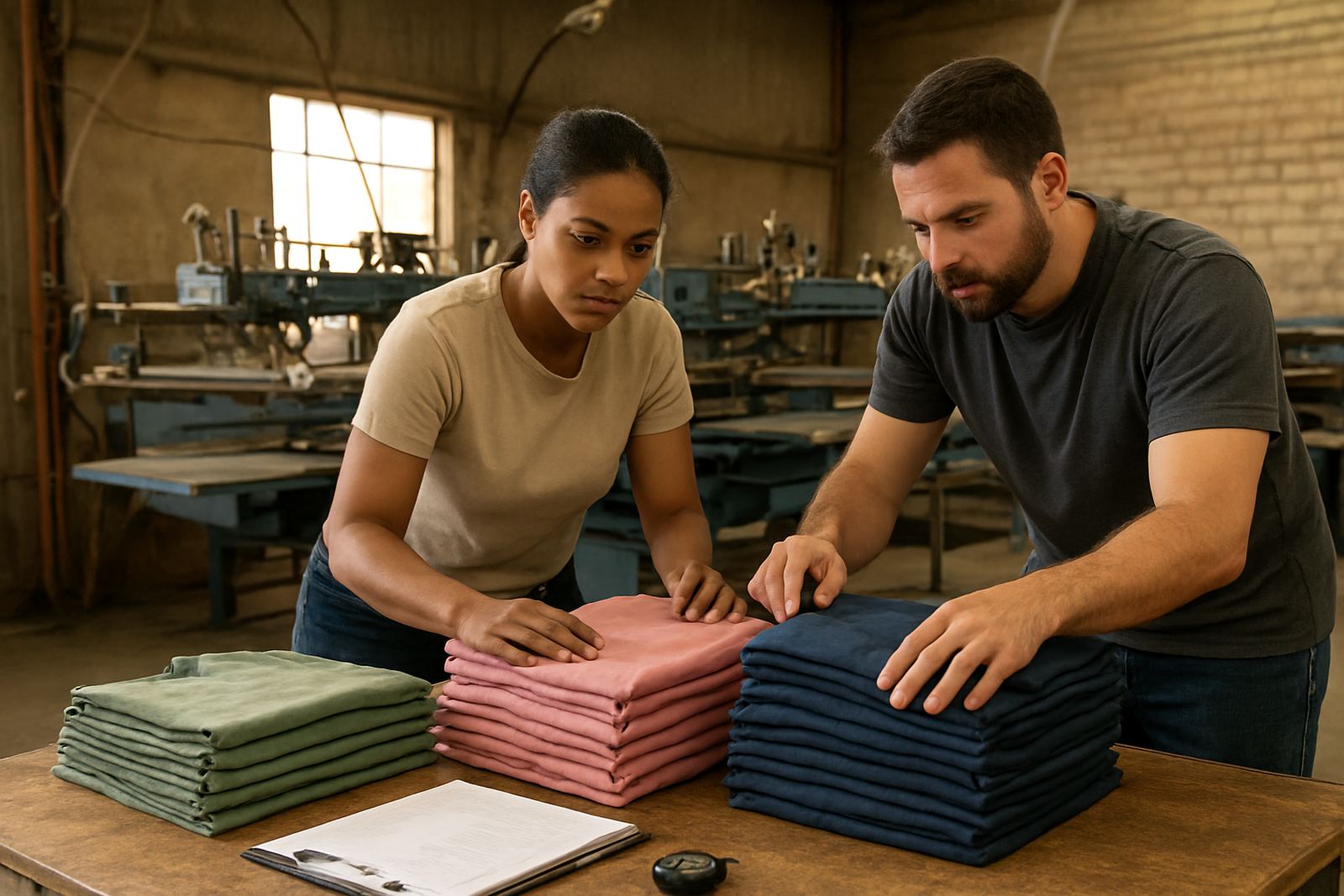
Bulk laundry also works better with a simple system. Label the bags, count the shirts before and after washing, and keep damaged items apart from the rest. For a company in Bloemfontein with staff across several sites, or a school ordering for different grades, this keeps uniforms neat and easier to manage. Small habits make a big difference over time, especially where shirts are washed often. Consistency is what keeps the print looking fresh.
- Sort by colour and fabric type.
- Count garments before and after washing.
- Keep damaged items separate.
- Use the same care routine every time.
A Simple Routine That Works In South African Homes And Laundries
A good washing routine does not need special equipment. Cold wash, mild detergent, gentle drying, and careful ironing will protect most printed shirts far longer than aggressive cleaning ever will. This is useful for households, tuckshops, schools and businesses that need shirts to stay presentable for months, not weeks.
In Bloemfontein, Hamilton and the wider Free State, dust, sun and regular wear all play a part in garment life. If you follow the basics, your printed shirts will keep their colour and stay neat for longer. And if a shirt is part of a uniform, that care also helps the whole team look more put together from one wash to the next, which matters when people see you every day.