
Start With the Use Case Before You Compare Prices
A T-shirt for a school fundraiser is not the same as one for daily staff wear or a one-day event in Bloemfontein. Before looking at colours or artwork, decide how long the shirts must last, how often they will be washed, and whether they need to look smart under jackets, aprons or uniforms. That one step helps you avoid paying for features you do not need, or choosing a light shirt that wears out too quickly.
For office promotions and client-facing teams, a neater fit and a more stable fabric usually makes sense. For sports days, outdoor events and load-shedding crew shirts, breathability and easy movement matter more. Schools often need durable tees that can handle repeated washing and a range of sizes, while bulk event orders may benefit from a simpler cut that keeps cost under control.
- Daily wear: stronger fabric, colour that holds, comfortable fit
- One-day event: cost-effective, clear branding, enough stock in each size
- School use: durable seams, easy-care fabric, size range for children and adults
- Sportswear: light weight, better airflow, room to move
Choose Fabric Weight and Fibre for the Right Feel
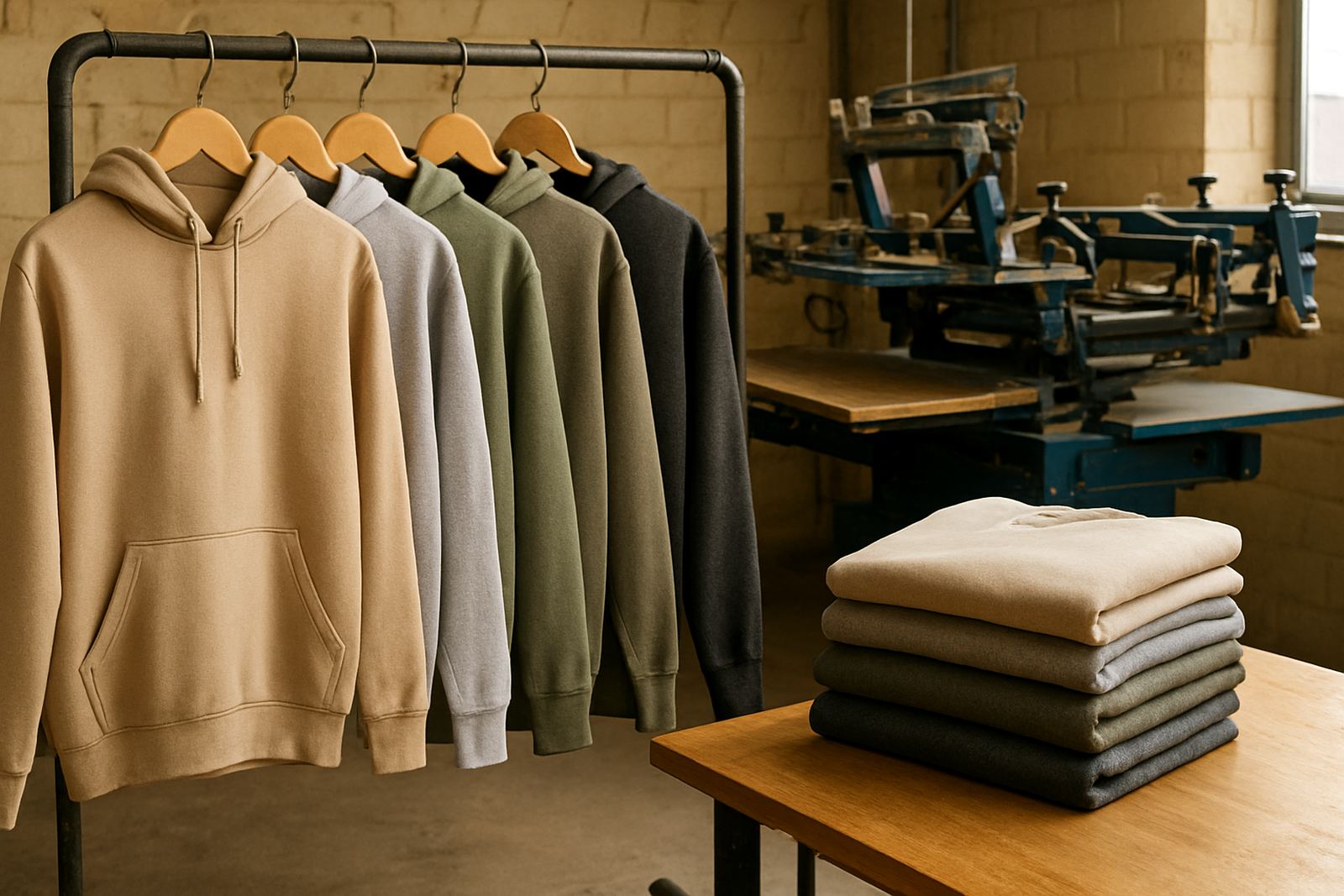
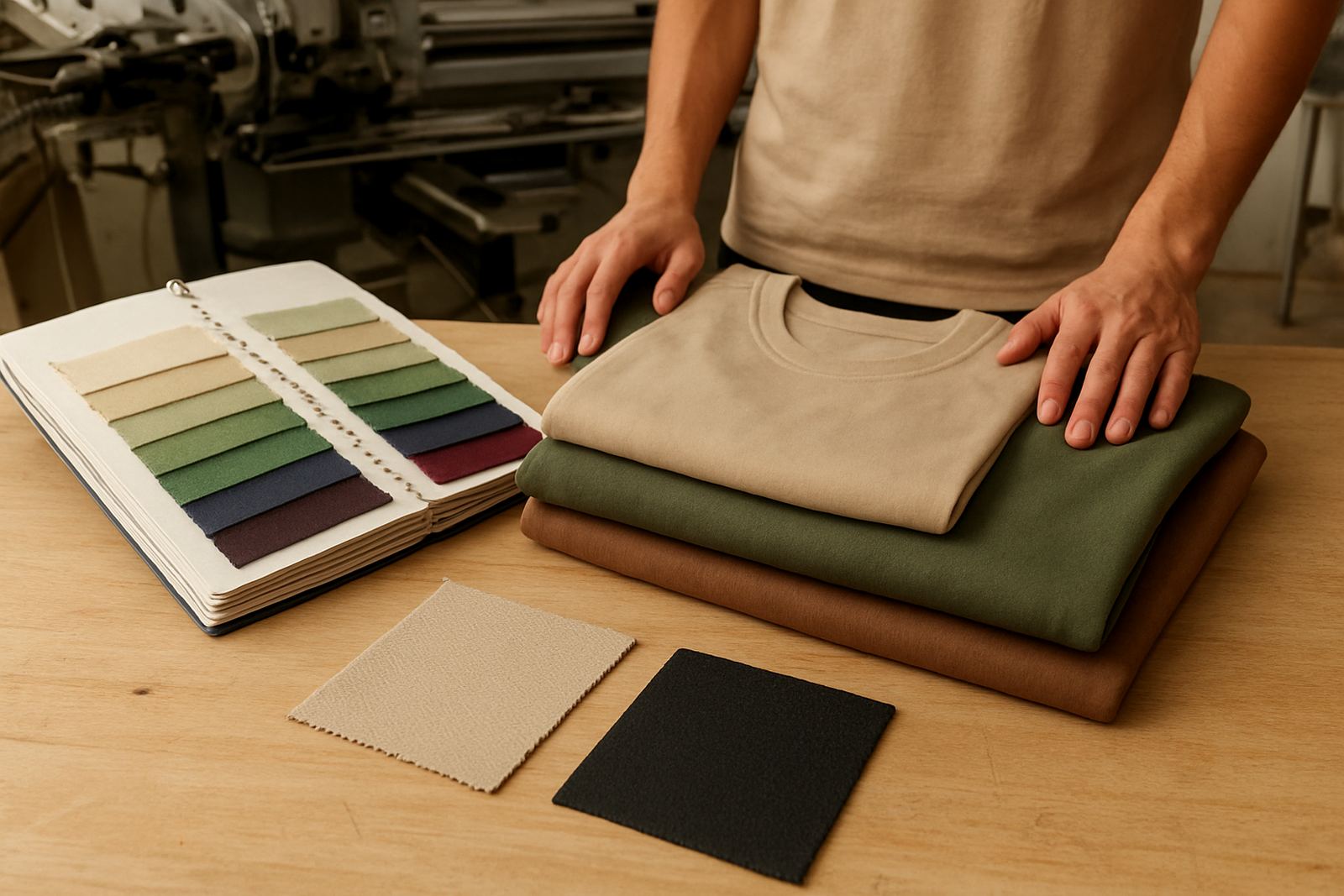
Fabric weight affects how a tee feels in the hand and how it behaves after washing. Light shirts are cooler and often better for summer events in the Free State, but they can feel thin if the garment is meant for regular wear. Mid-weight tees usually give the best balance between comfort and durability, especially when you need the shirt to keep its shape. Heavier fabric can feel more substantial, though it may be warmer in the heat.
Fibre choice matters as much as weight. Cotton is popular for comfort and breathability. Cotton-rich blends can help a shirt dry faster and keep its shape better through repeated use. If your team will wear the shirts in warmer weather, near kitchens, or during outdoor promotions, ask about how the fabric handles moisture and washing. Coastal humidity is not the same as Bloemfontein’s dry air, so the right fabric can differ by region.
- Check the gsm or weight if it is provided
- Ask how the shirt feels after several washes
- Consider whether the tee will be worn indoors, outdoors, or both
- Match the fabric to the season and the job
Fit and Sizing: Get the Cut Right the First Time
Fit is one of the easiest things to get wrong on a big order. A shirt that looks neat on a hanger can sit too tight across the chest or too loose at the shoulder once it is worn. When ordering for a mixed group, it helps to know whether you want a regular cut, a more relaxed fit, or a shaped fit for a smarter appearance. For schools and teams, a standard cut is often the safest option because it suits a wider range of body shapes.
Ask for a size chart and compare it against the people who will wear the shirts. If you are ordering for staff in Bloemfontein, Hamilton, Botshabelo, Thaba Nchu or Welkom, take a quick size count before you confirm the order. A simple spreadsheet or paper list can save a lot of stress later. For larger orders, size sorting and individual bagging help speed up distribution once the stock arrives.
- Measure chest width rather than guessing by general clothing size
- Allow extra room for movement if the shirts are for active use
- Check youth, ladies and unisex fits separately
- Order a few extras in the most common sizes
Print Method, Artwork and Colour Matching
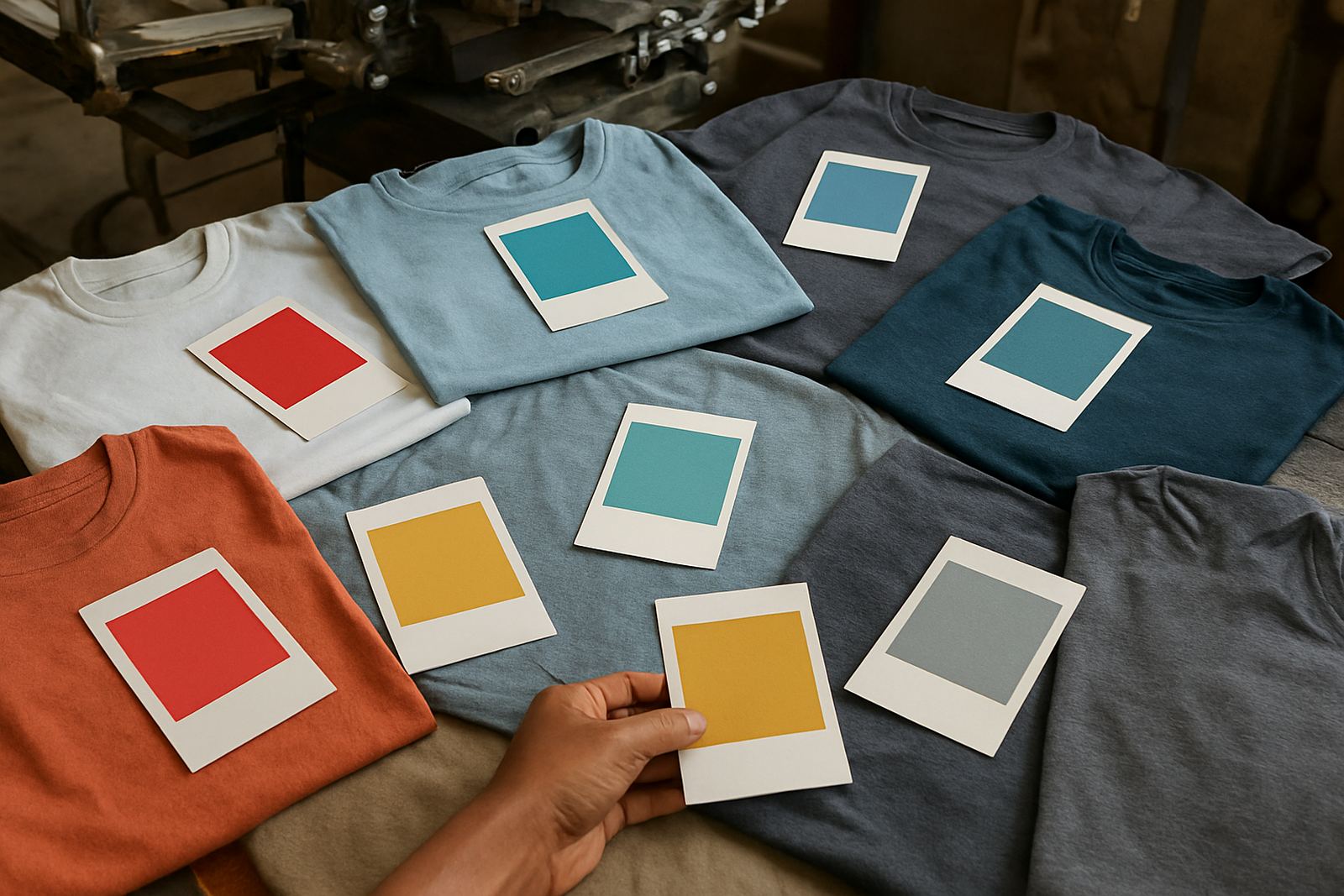
Different print jobs need different preparation. Simple logos, bold text and large quantities usually work well for screen printing because the finish is crisp and consistent. If your design includes small details, gradients or multiple colours, the artwork needs proper setup before printing begins. A clean file saves time and helps the final shirt look the way it should.
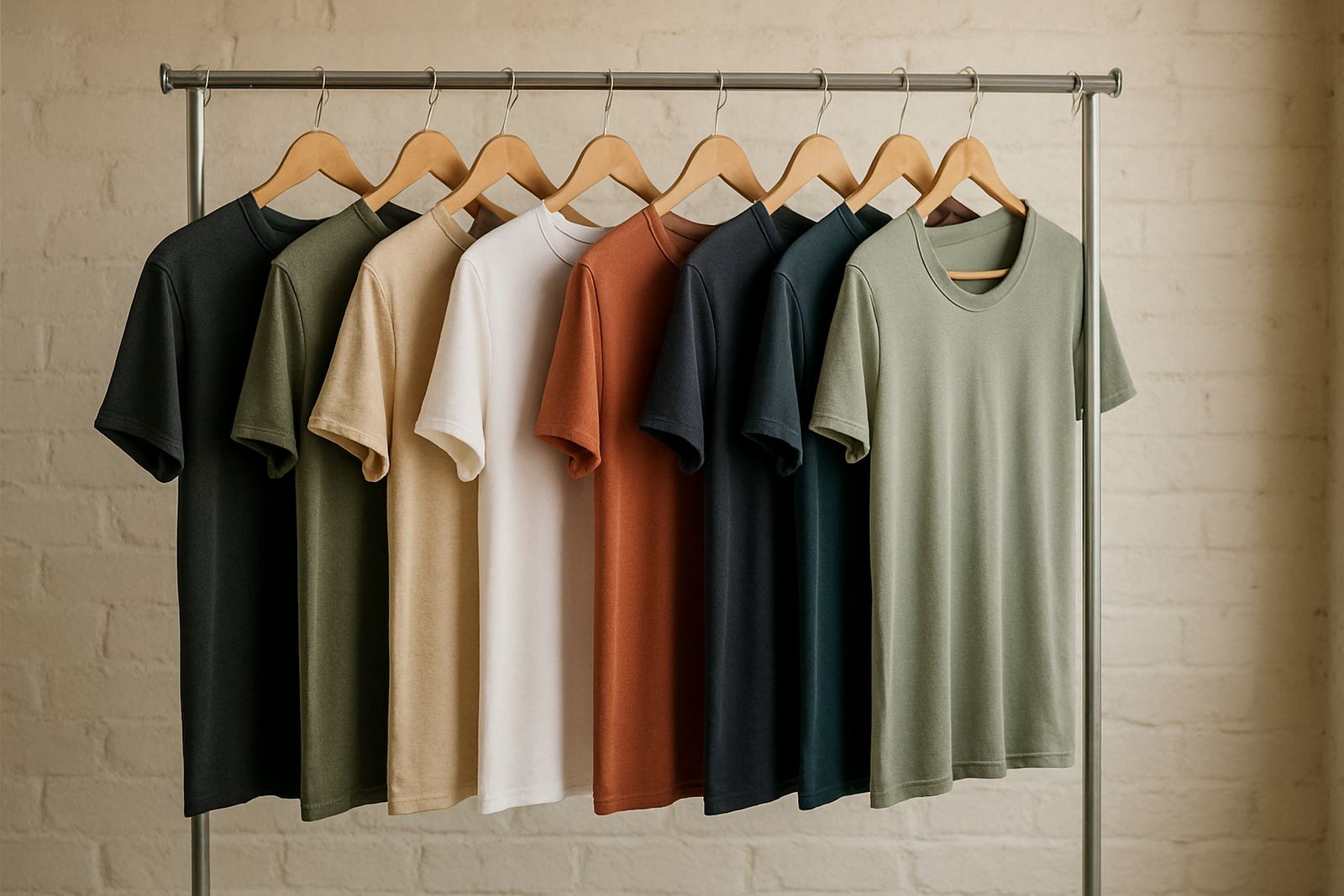
Think about where the print will sit on the garment. A left chest mark suits uniforms and staff shirts, while a larger front print works better for events, school functions and sports tours. Colour matching is also important if you need shirts to tie in with a school colour, company identity or team look. A good print should be bright enough to stand out, but still suit the fabric colour. If your design uses white on dark shirts, the underbase and ink choice matter a great deal.
- Use a clear logo file where possible
- Keep artwork simple if you want to control cost
- Decide on front, back, sleeve or combo placement early
- Confirm Pantone or colour references where needed
Small Runs, Bulk Orders and Delivery Timing
Not every order needs to be huge. Some clients only need a small run for a family reunion, team event or pilot staff issue, while others need bulk quantities for schools, promotions or company rollouts. The right buying choice depends on how many shirts you need now and whether you may re-order later. If you expect repeat use, it can be worth choosing a tee that is easier to match again in future.
Lead time matters too. When ordering for a launch, sports day or year-end function, give yourself enough time for artwork approval, production and couriering. This is especially useful if your order needs to reach Bethlehem, Kroonstad or Parys on a fixed date. Couriered orders across the Free State and nationwide need proper packing and a clear delivery address, so factor that into your planning from the start.
- Small run: ideal for testing a design or team size
- Bulk order: better for price control and consistent branding
- Allow time for artwork approval and sign-off
- Confirm the delivery date before you finalise the event plan
A Simple Checklist Before You Place the Order
Before you submit an enquiry, work through a quick checklist so the order is clear from the beginning. This helps avoid mix-ups on colour, sizing and print position. It also makes the process easier for the production team, especially when several departments are involved in one order. A clear brief saves time and usually gives better results.
If you are buying for a business, school or event, include the purpose of the shirts, the quantity per size, the preferred tee colour and the exact print area. If you already know the deadline, say so upfront. It also helps to mention whether you need bagging, size sorting or delivery to multiple branches in Bloemfontein, Hamilton or the other areas you serve. A bit of detail at the start can prevent a lot of back-and-forth later.
- Purpose of the shirts
- Quantity and size breakdown
- Fabric or feel preference
- Print position and number of colours
- Deadline and delivery location